Introduction to Food Plant Sanitation and Hygiene
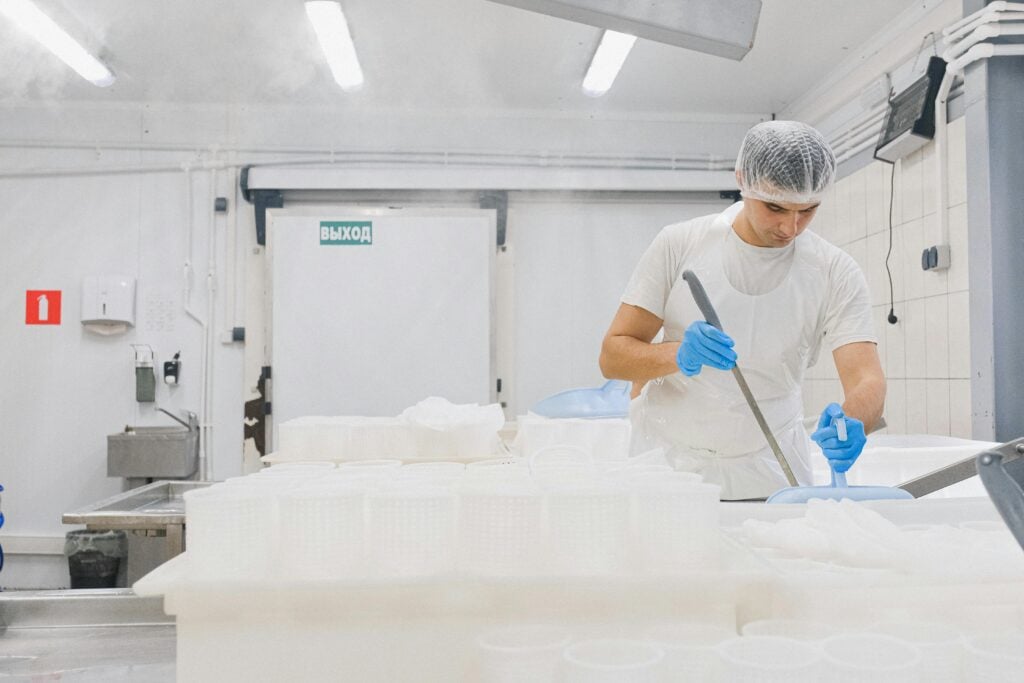
Maintaining strict sanitation standards within food processing plants is essential to ensure food safety, comply with regulations, and deliver quality products to consumers. Proper sanitation practices help prevent cross-contamination, bacterial growth, and foodborne illnesses, safeguarding both consumers and brands. This post explores effective strategies and best practices for food plant sanitation and hygiene, emphasizing regulatory compliance and technological advances.
The Role of Sanitation in Food Industry Operations
Why Sanitation Matters
- Prevents food contamination and spoilage
- Ensures compliance with HACCP and other food safety standards
- Reduces risk of product recalls and legal liabilities
Core Elements of Food Plant Sanitation
- Routine cleaning and disinfection of surfaces
- Validation and verification of sanitation programs
- Proper waste management and pest control
- Employee hygiene protocols
Effective Sanitation Strategies and Technologies
Implementing Standard Operating Procedures (SOPs)
Clear SOPs for cleaning and sanitizing are fundamental to consistent sanitation outcomes. These should define cleaning cycles, approved products, techniques, and verification methods.
Use of Advanced Cleaning Technologies
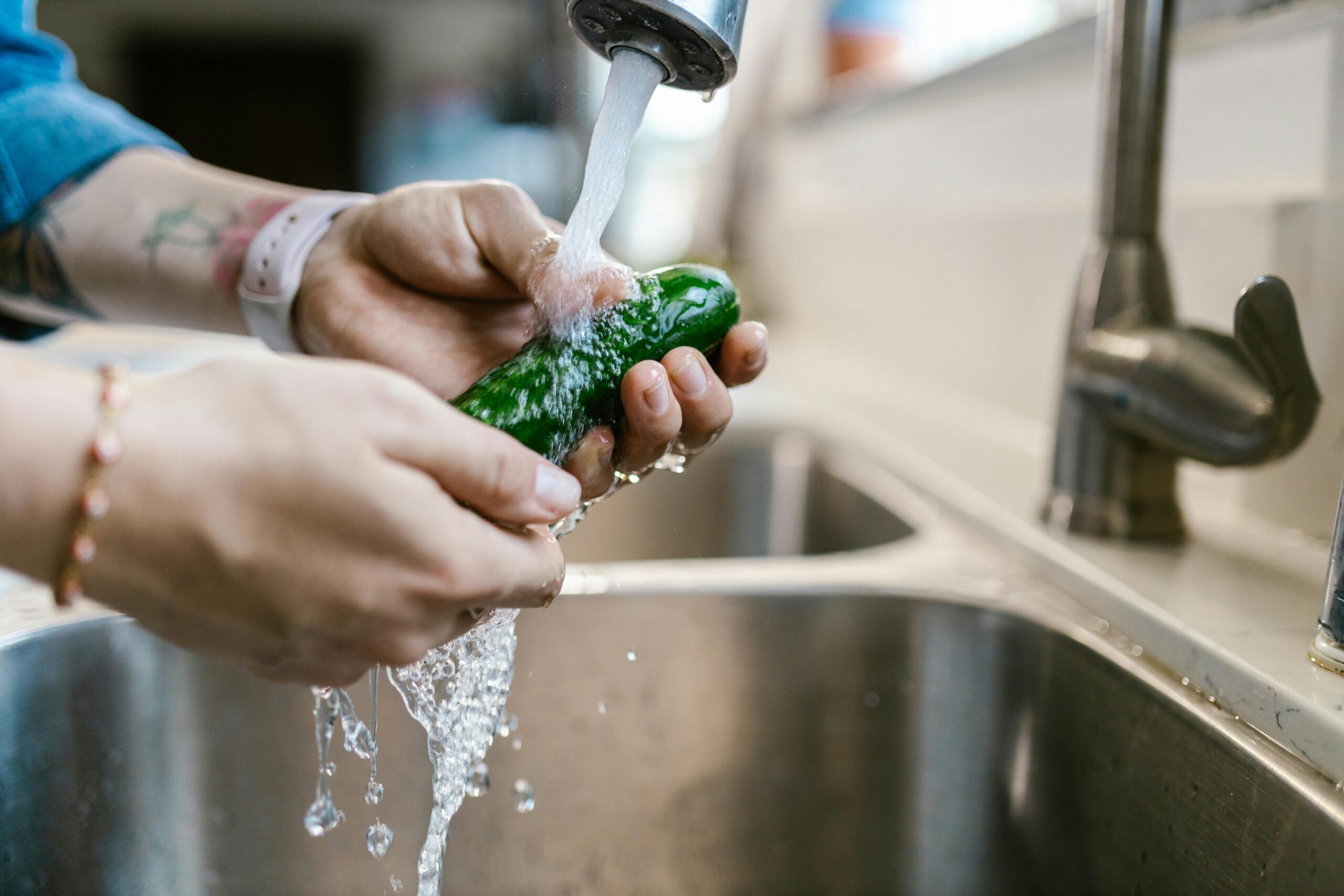
- Wet Cleaning: Essential for removing debris and residues, especially in hard-to-reach areas.
- Foam and steam cleaning: Enhances efficiency and reduces chemical usage.
- Ultraviolet (UV) sanitation: Used for surface and air disinfection.
Choosing the Right Sanitation Products
Focus on EPA-registered disinfectants compatible with food contact surfaces. Regularly evaluate cleaning agents for efficacy and safety.
Regulatory Compliance and Best Practices
Understanding HACCP Requirements
Hazard Analysis and Critical Control Points (HACCP) programs require documented sanitation procedures critical to food safety. Regular audits and staff training are vital components.
Staff Training and Hygiene
Proper training on sanitation procedures and personal hygiene minimizes contamination risks. Regular refresher courses ensure adherence to standards.
Partnering with Sanitation Service Providers
Engaging experienced fayette sanitation service providers, along with companies such as Janiking or Jan-Pro, can help maintain optimal sanitation levels through tailored cleaning programs and expert consultation.
Conclusion
Food plant sanitation is a complex but manageable component of food safety management. Implementing advanced cleaning technologies, adhering to HACCP standards, and working with experienced providers like Fayette Contract Sanitation Services can enhance your facility’s sanitation program. Prioritizing these areas will support safe, high-quality food production and regulatory compliance.