Introduction to Food Plant Sanitation and Sanitization
Maintaining a high standard of food plant sanitation is essential for ensuring food safety and complying with industry regulations. Proper sanitization practices not only help prevent contamination but also enhance operational efficiency in food processing facilities.
Understanding the Importance of Food Industry Sanitation
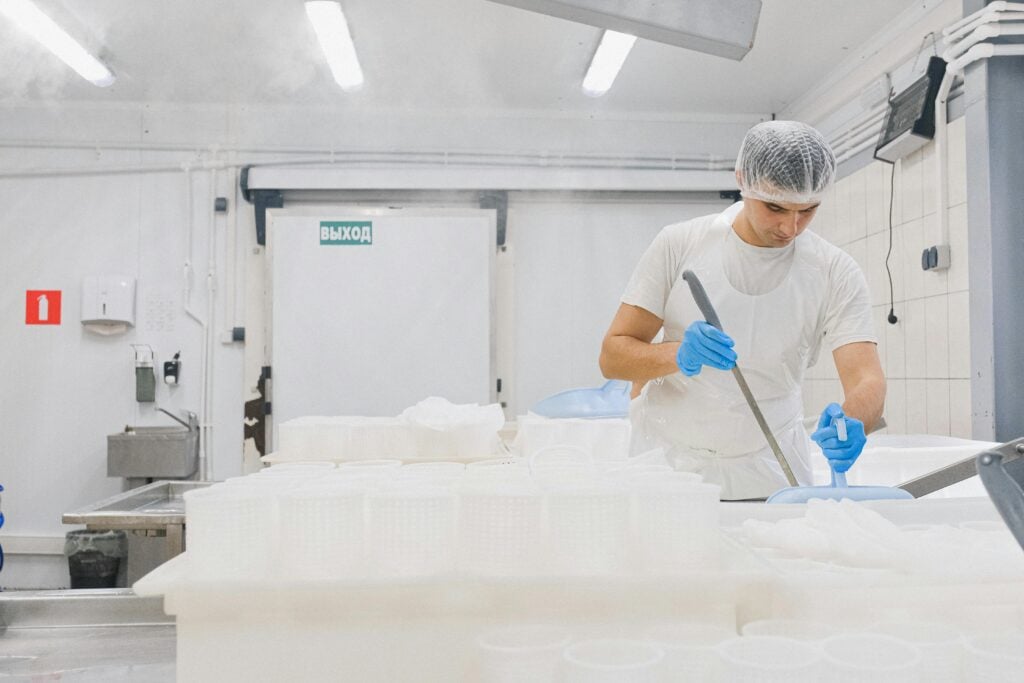
In the food industry, sanitation involves meticulous cleaning and disinfecting of equipment, surfaces, and environments to eliminate harmful microbes and bacteria. Regular sanitation is crucial for ensuring food safety and avoiding product recalls.
Key Benefits of Effective Food Plant Cleaning and Sanitization
- Prevents cross-contamination and microbial growth
- Ensures compliance with HACCP and other safety standards
- Maintains product quality and extends shelf life
- Reduces downtime due to sanitation-related inspections
Core Components of Food Plant Sanitation
Cleaning vs. Sanitization
While often used interchangeably, cleaning and sanitization serve distinct purposes:
- Cleaning: Removal of dirt, debris, and food residues from surfaces
- Sanitization: Reducing microbial presence to safe levels through disinfectants
Effective Sanitation Procedures
To ensure optimal sanitation:
- Use approved cleaning agents compatible with food processing environments
- Adopt wet cleaning techniques for thorough coverage
- Implement strict cleaning schedules aligned with production cycles
- Regularly inspect and verify sanitation efficacy
Role of HACCP in Food Plant Sanitation
The Hazard Analysis and Critical Control Points (HACCP) system provides a framework for identifying sanitation-critical points and maintaining control over microbial risks. Implementing HACCP effectively ensures that sanitation practices are deliberate and traceable.
Choosing the Right Sanitation Service Provider
Partnering with professional contract sanitation companies can optimize your sanitation process. Consider providers with experience in food industry cleaning, such as Fayette Contract Sanitation Services, Janitorial companies like Janiking, or Hydrite.
Implementing Food Industry Best Practices
Preventive Maintenance
Regular inspections, cleaning schedules, and maintenance of sanitation equipment prevent microbial buildup and contamination risks.
Staff Training
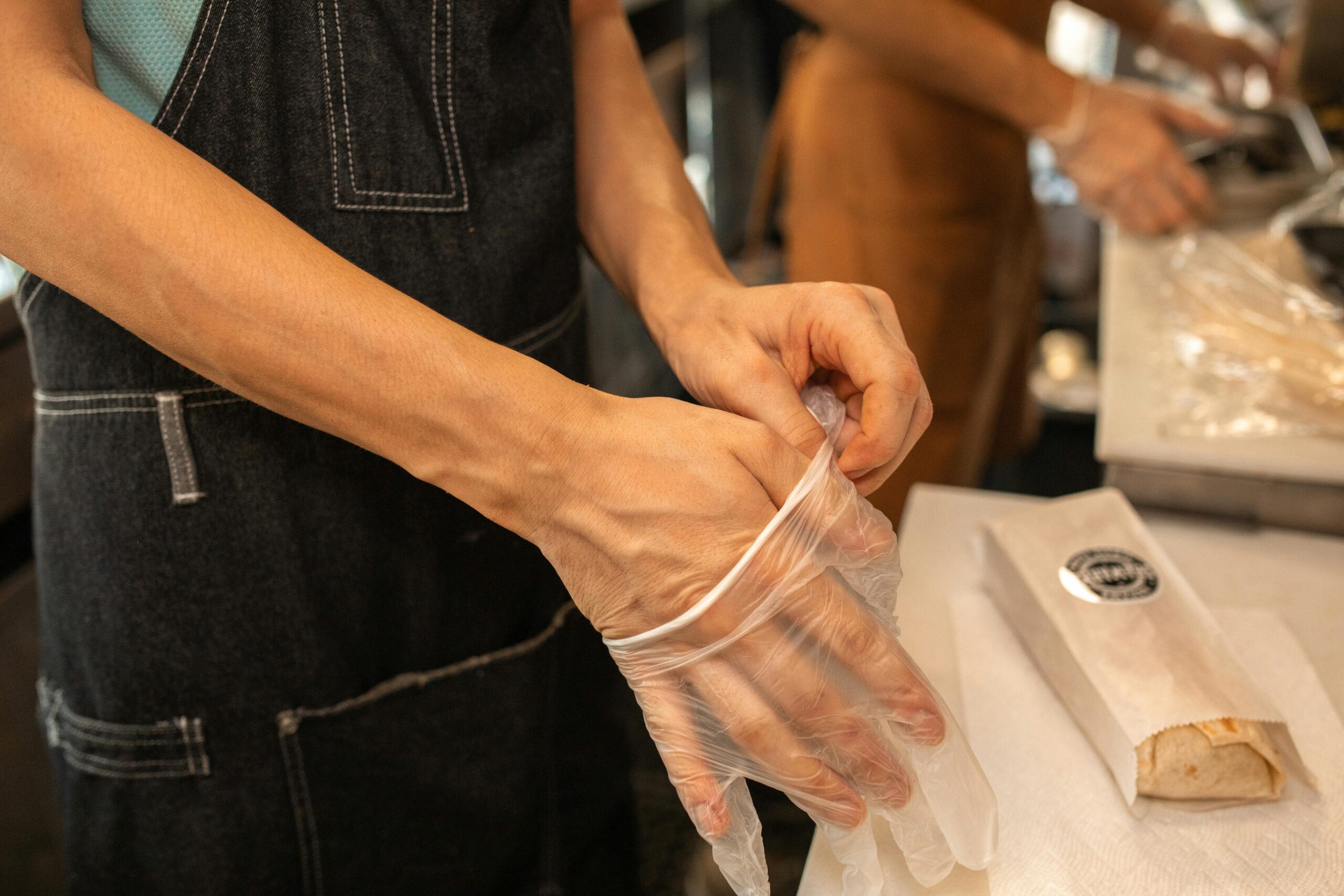
Proper training ensures that sanitation staff understand critical procedures and adhere to safety protocols.
Documentation and Recordkeeping
Accurate records of sanitation activities are essential for audits and compliance monitoring.
Final Thoughts
Maintaining high standards of food processing plant cleaning and sanitization is vital for product safety, regulatory compliance, and operational excellence. By integrating robust sanitation strategies, utilizing professional services, and adhering to HACCP principles, food producers can safeguard their brand reputation and customer confidence.
Learn More About Sanitation Solutions
Explore resources at Fayette Contract Sanitation Services and consider consulting with industry experts to tailor sanitation programs suited to your food processing facility’s unique needs.