Understanding the Role of Sanitation in Food Processing Facilities
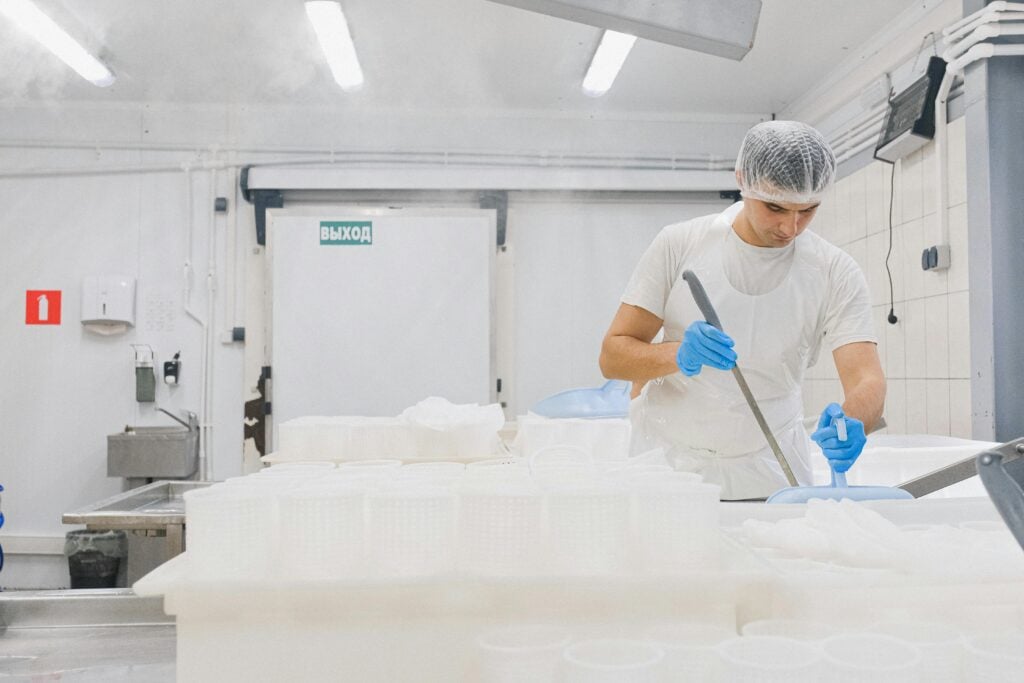
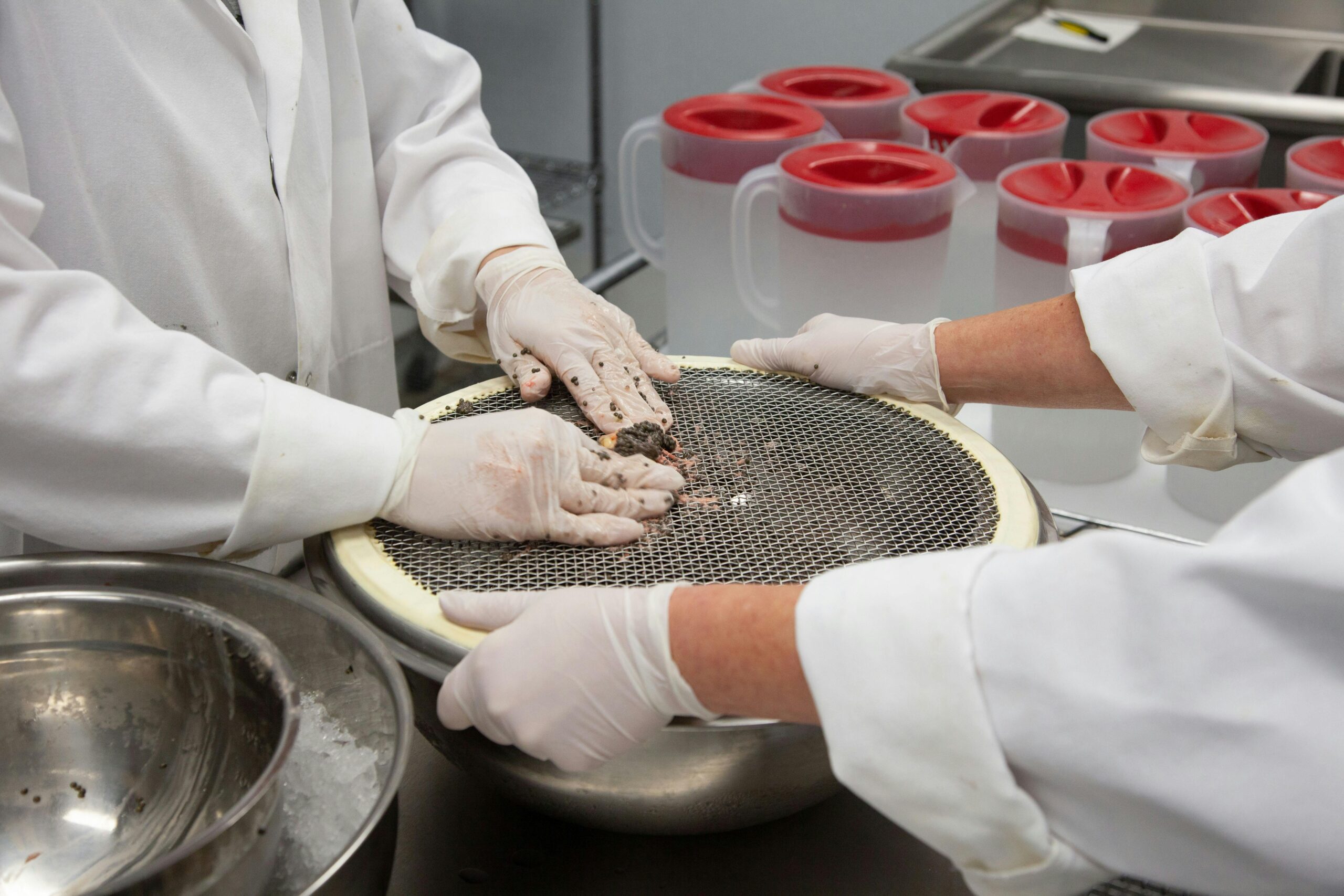
Effective sanitation is a critical component of maintaining hygiene standards within food processing plants. Proper cleaning and sanitizing procedures help eliminate bacteria, viruses, and other contaminants that can compromise food safety. This article explores the essential practices and equipment necessary for optimal sanitation in the food industry.
The Significance of Food Plant Sanitation Services
Food sanitation services encompass a comprehensive approach to disinfecting and cleaning manufacturing environments. Companies like Fayette Contract Sanitation Services offer specialized solutions that address the unique needs of food facilities, ensuring compliance with industry standards and regulatory requirements.
Best Practices for Cleaning in Food Industry Environments
Routine Cleaning Protocols
- Use of approved cleaning agents specifically formulated for food processing environments.
- Frequent high-touch surface disinfection to prevent cross-contamination.
- Proper waste disposal to maintain hygiene and prevent pest attraction.
Advanced Sanitation Technologies
Innovative methods like wet cleaning and high-pressure washdowns ensure thorough removal of residues from equipment and surfaces. Companies like GDI provide efficient sanitation systems suitable for large-scale food production facilities.
Maintaining Food Safety Compliance
Adhering to HACCP (Hazard Analysis and Critical Control Points) guidelines is vital for preventing food safety hazards. Regular audits and documented cleaning records support compliance efforts and foster consumer confidence.
Training and Monitoring
Staff training programs enhance the effectiveness of sanitation protocols. Routine monitoring, including microbial testing, ensures cleanliness standards are met consistently.
Choosing a Sanitation Service Provider
When selecting a sanitation partner, consider experience, capability, and adherence to industry standards. Providers like Janiking and Ecolab offer reliable solutions tailored to food processing environments. Additionally, Fayette’s sanitation services present a strong option for ongoing hygiene management.
Conclusion
Implementing robust sanitation and cleaning protocols in food processing plants is the foundation of food safety. Combining industry best practices with professional sanitation services helps minimize risks, meet regulatory compliance, and uphold product quality standards.