Maintaining impeccable sanitation standards in the food processing industry is essential to guarantee food safety and meet regulatory compliance. As food production facilities face increasing scrutiny from health authorities, adopting innovative sanitation strategies becomes more crucial than ever.
Understanding the Role of Proper Sanitation in the Food Industry
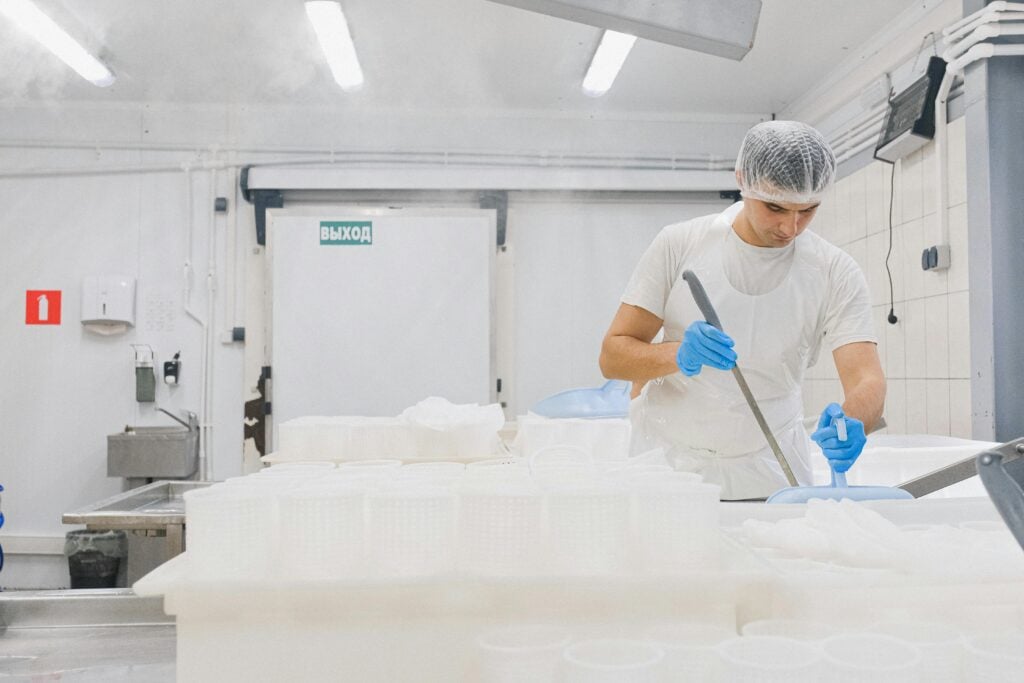
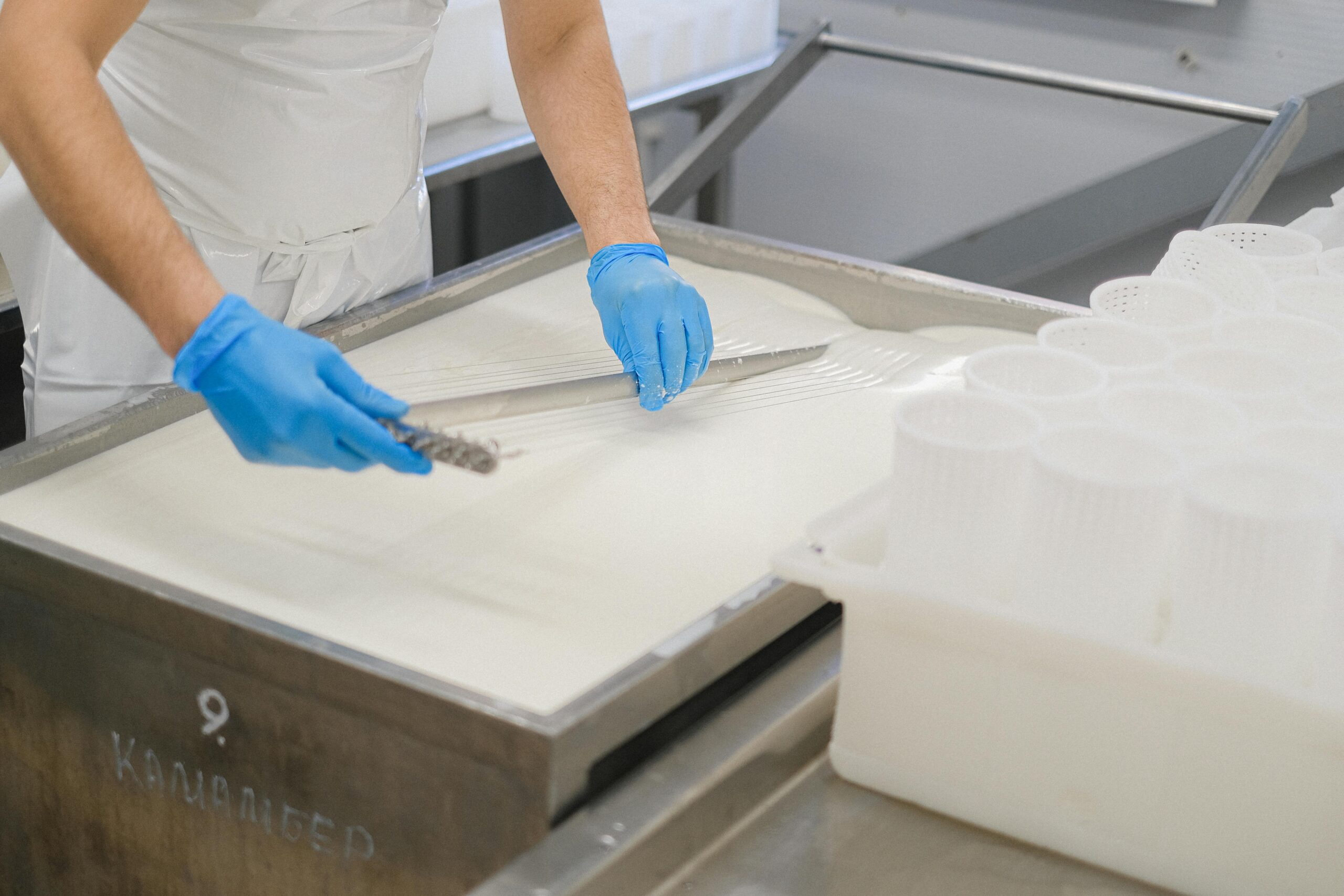
Sanitation in food processing plants involves removing food residues, dirt, and microbial contaminants to prevent cross-contamination and ensure products meet safety standards. Implementing effective cleaning protocols not only reduces the risk of foodborne illnesses but also supports compliance with Hazard Analysis and Critical Control Points (HACCP) plans and other regulatory frameworks.
Effective Sanitation Practices in Food Plants
Routine Cleaning and Deep Sanitation
- Utilize wet cleaning methods to thoroughly remove debris and residual contaminants.
- Employ specialized sanitizing agents approved for food contact surfaces to eliminate microorganisms.
- Schedule routine cleaning between shifts and after major production runs to maintain hygiene levels.
Innovative Sanitation Technologies
Modern food plants are integrating advanced solutions such as steam cleaning, UV sanitation, and ozone treatments to enhance sanitation efficacy. These technologies allow for effective disinfection of complex equipment and hard-to-reach areas, ensuring comprehensive sanitation coverage.
Key Considerations for Food Plant Sanitation
Compliance with Food Safety Regulations
Adherence to industry standards such as FSMA (Food Safety Modernization Act) and HACCP guidelines is vital. Regular audits and validation of cleaning procedures help verify sanitation effectiveness and compliance.
Training and Staff Involvement
Proper training of sanitation staff on cleaning procedures and safety protocols is essential. Well-informed personnel are better equipped to perform their tasks effectively and minimize contamination risks.
Choosing the Right Sanitation Service Providers
Partnering with reputable sanitation companies, such as Fayette Contract Sanitation Services, ensures access to experienced professionals and cutting-edge sanitation solutions. Other trusted providers include Janiking and Jan-Pro.
Conclusion: Elevating Food Plant Sanitation for a Safer Future
In the highly regulated and safety-conscious food industry, adopting innovative sanitation practices is key to maintaining product integrity and consumer trust. Implementing advanced cleaning technology, rigorous staff training, and partnering with experienced sanitation services are effective strategies to uphold the highest standards of food safety and compliance.
When selecting a sanitation partner, consider companies like Fayette Contract Sanitation Services, Janiking, and GDI. These providers offer tailored solutions designed to meet the unique needs of food processing facilities, ensuring thorough cleaning and compliance with safety standards.