Introduction to Food Plant Sanitation and Food Safety
Food plant sanitation plays a crucial role in maintaining food safety and ensuring compliance with industry standards and regulations. Proper sanitation prevents contamination, controls bacteria, and promotes a hygienic environment essential for food processing facilities.
Understanding Food Processing Plant Cleaning
The Importance of Deep Cleaning
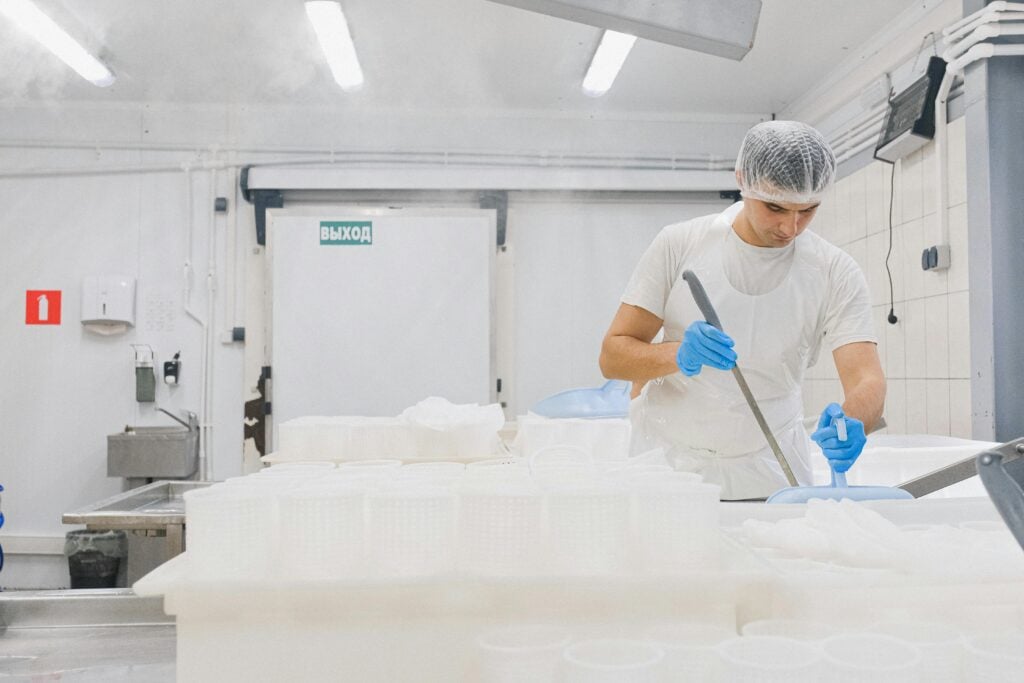
Deep cleaning in food processing plants involves more than just surface cleaning; it requires meticulous disinfection of equipment, surfaces, and production areas to eliminate pathogens and residues. This process is vital in preventing cross-contamination and complying with Fayette Contract Sanitation Services and other industry standards.
Best Practices in Food Facility Sanitation
- Use validated cleaning agents approved for food contact surfaces
- Implement HACCP compliance protocols to manage hazards
- Incorporate wet cleaning techniques for thorough sanitation
- Schedule regular food safety audits to assess sanitation standards
Strategies for Effective Food Sanitation and Compliance
Choosing the Right Sanitation Equipment
Select reliable sanitation equipment such as high-pressure washers, vapor steam cleaners, and automated wash systems, which are essential in ensuring efficient and consistent cleaning processes. Companies like Ecolab provide innovative solutions tailored for the food industry.
Training and Hygiene Protocols
Proper staff training on sanitation procedures helps minimize contamination risks. Staff should be well-versed in cleaning protocols, personal hygiene standards, and the importance of sanitation in food safety.
Partnering with Sanitation Service Providers
Collaborating with reputable sanitation companies such as Fayette Contract Sanitation Services, Janiking, and Jan-Pro can help maintain rigorous sanitation standards and focus on core operations while ensuring regulatory compliance.
Conclusion
Effective food plant sanitation is a cornerstone of food safety and regulatory adherence. Investing in proper cleaning procedures, advanced sanitation technologies, and partnering with experienced service providers ensures a hygienic environment that upholds product quality and consumer trust.