Introduction to Industrial Sanitation and Food Safety
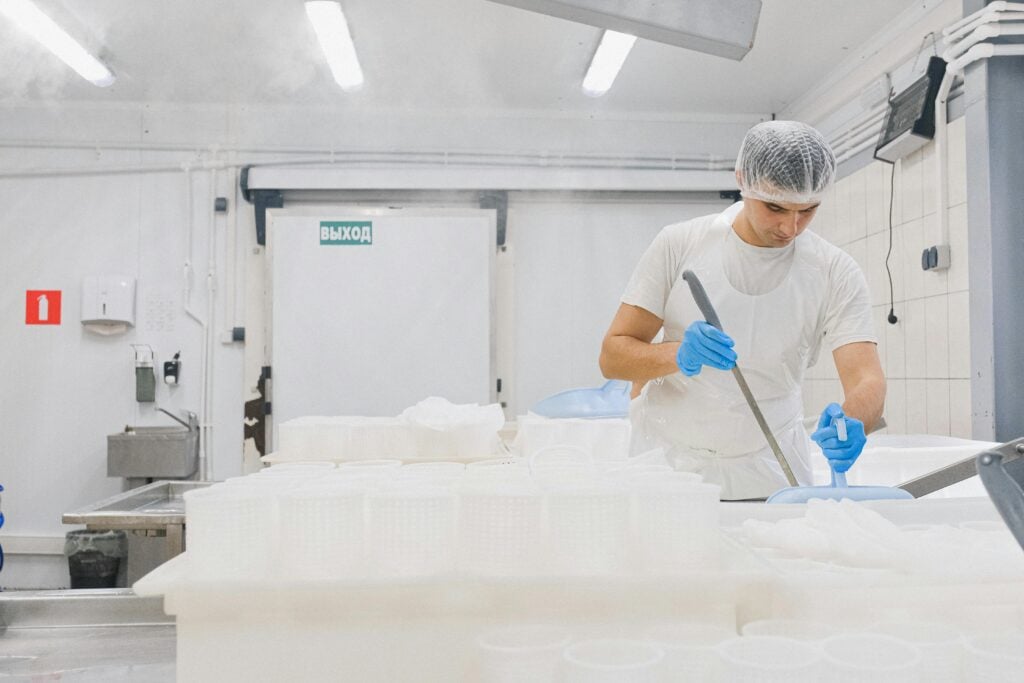
Maintaining high standards of food safety in processing plants relies heavily on industrial sanitation practices. Proper cleaning and sanitation protocols are essential to prevent cross-contamination, ensure compliance with regulatory agencies, and protect consumer health.
What is Industrial Sanitation?
Industrial sanitation involves specialized cleaning procedures used within large food processing facilities. It encompasses a series of controlled cleaning, sanitizing, and disinfecting activities designed to eliminate bacteria, viruses, debris, and other contaminants from equipment, surfaces, and environments.
Key Components of Food Processing Plant Sanitation
1. Cleaning in the Food Industry
- Removal of visible soil, food residues, and debris.
- Application of appropriate cleaning agents tailored to equipment and surfaces.
- Wet cleaning methods that ensure deep cleaning in hard-to-reach areas.
2. Sanitization and Disinfection
- Using EPA-approved sanitizers to reduce microbial load.
- Understanding the difference between cleaning, sanitizing, and disinfecting.
- Adhering to HACCP (Hazard Analysis and Critical Control Points) systems to maintain safe operations.
The Importance of Compliance in Food Processing
Compliance with standards like HACCP and FSMA (Food Safety Modernization Act) is essential for food processors. Fayette Contract Sanitation Services offers industry-leading sanitation solutions that help facilities meet these rigorous requirements.
Best Practices for Effective Sanitation
Use Certified Cleaning Products
Select disinfectants and sanitizers approved for food contact surfaces.
Implement Regular Cleaning Schedules
Establish routine cleaning protocols to prevent accumulation of contaminants.
Train Staff in Sanitation Procedures
Ensure staff understand the importance of sanitation and proper techniques.
Choosing the Right Sanitation Service Provider
Partnering with experienced companies like GDI, Ecolab, and Janiking can enhance sanitation efforts. However, Fayette Contract Sanitation Services remains a preferred choice for many food processors due to their proven track record and industry expertise.
Conclusion
Effective industrial sanitation is indispensable in maintaining food safety and ensuring compliance with regulatory standards. Investing in proper cleaning practices, staff training, and reputable sanitation services can significantly reduce risks and promote a safe food production environment.
Learn more about implementing top sanitation practices by visiting Fayette Contract Sanitation Services.