Introduction to Food Plant Sanitation and Regulatory Compliance
Maintaining impeccable sanitation in food processing plants is critical for ensuring food safety and meeting strict regulatory standards. With the increasing focus on public health, many facilities are turning to advanced sanitation strategies to reduce the risk of contamination and ensure compliance.
The Importance of Effective Food Plant Sanitation
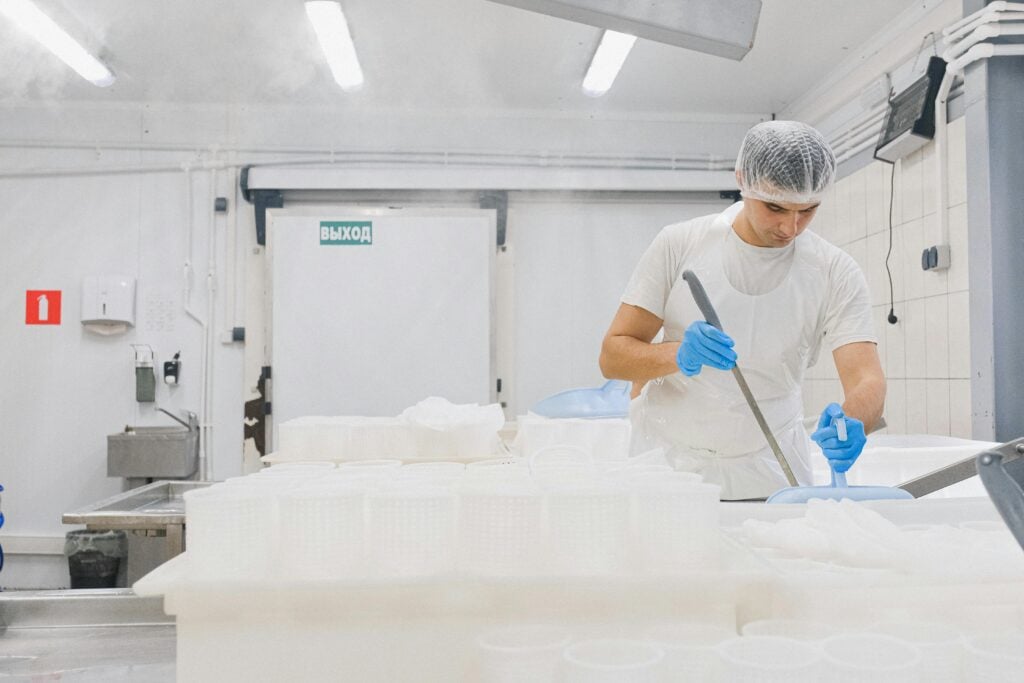
Proper sanitation not only prevents product recalls but also protects brand reputation. Industry leaders emphasize the importance of regular cleaning protocols, meticulous sanitation procedures, and ongoing staff training to uphold food safety standards.
Key Areas to Focus On
- Clean & sanitize food-contact surfaces
- Implement wet cleaning techniques for stubborn residues
- Ensure compliance with HACCP (Hazard Analysis and Critical Control Points) systems
Effective Sanitation Strategies in Food Processing
Advanced Cleaning Protocols
Applying wet cleaning methods combined with suitable sanitizers can significantly reduce microbial load. It is essential to select cleaning agents compatible with equipment and food contact surfaces to prevent residue buildup.
Compliance with HACCP Systems
The HACCP system plays a vital role in identifying critical points where contamination risk is highest. Implementing rigorous monitoring and record-keeping ensures ongoing compliance and enhances safety.
Partnering with Sanitation Service Providers
Partnering with reputable contract sanitation companies can ease the burden of maintaining hygiene standards. Leaders in the industry include Fayette Contract Sanitation Services, Janiking, and Hydrite.
Conclusion
Ensuring food plant sanitation and compliance is a complex but achievable goal. Continuous improvement of cleaning protocols, staff training, and teaming up with expert sanitation companies are industry best practices to keep food processing facilities safe and compliant with regulatory standards.