Introduction to Food Plant Sanitation and Industry-Specific Cleaning
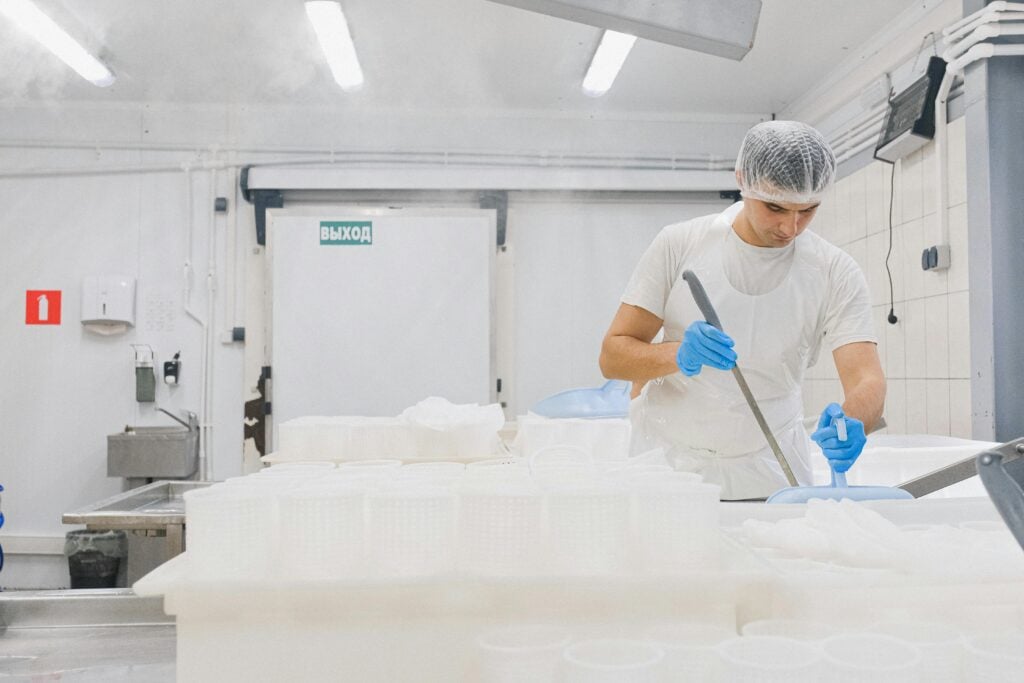
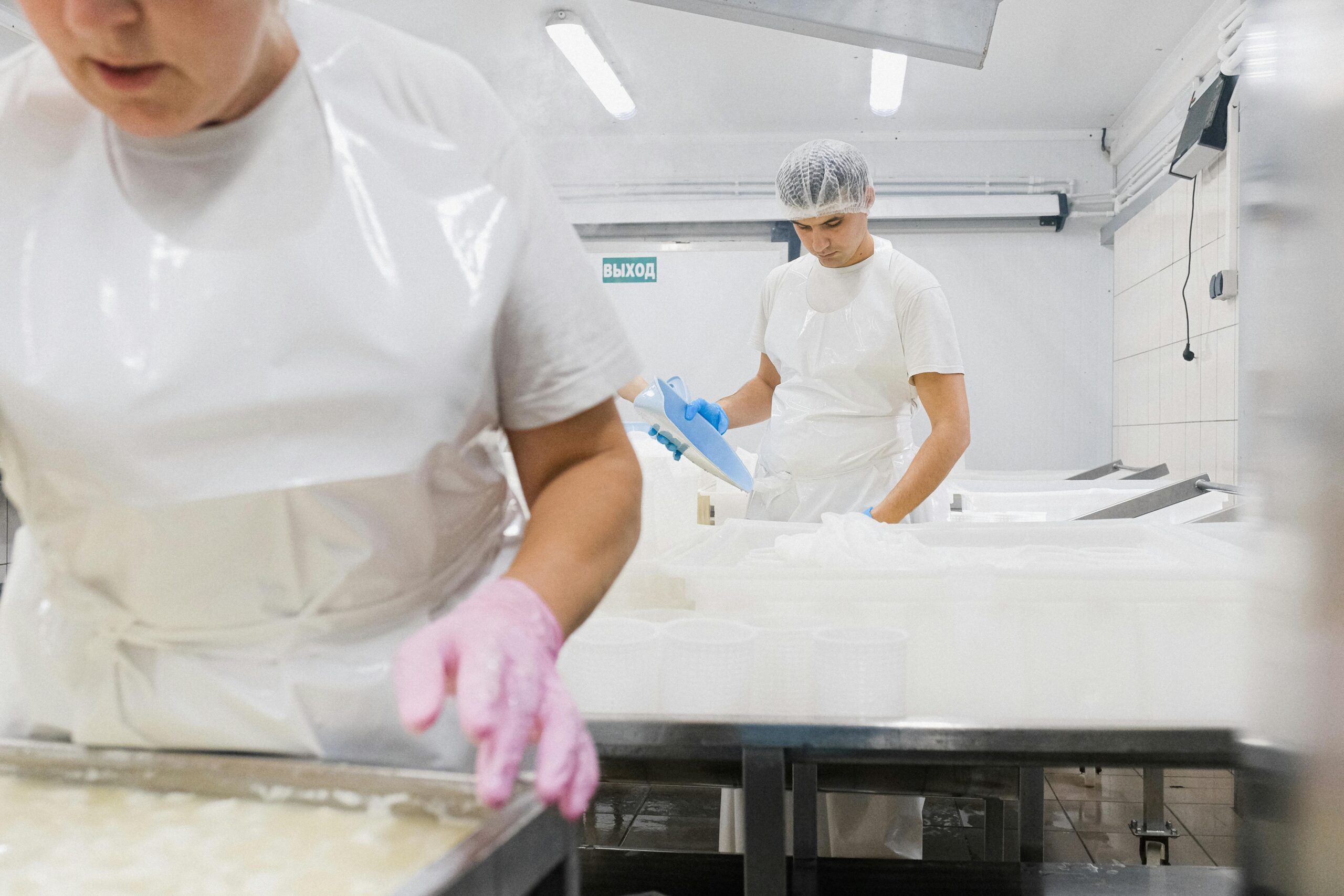
Maintaining optimal sanitation standards in food processing facilities is critical for ensuring food safety and regulatory compliance. Specialized cleaning protocols prevent contamination, reduce microbial risks, and uphold product integrity.
Why Food Plant Sanitization is Essential
- Prevent Cross-Contamination: Proper sanitation minimizes pathogen transfer between surfaces and products.
- Meet Regulatory Standards: Compliance with FDA, USDA, and HACCP guidelines is mandatory for food processors.
- Protect Brand Reputation: Clean facilities foster consumer trust and loyalty.
Effective Cleaning Techniques in Food Processing Plants
Wet Cleaning
Wet cleaning involves using water, detergents, and sanitizers to remove soil, debris, and microbial residues from equipment and surfaces. It’s a foundational step in food safety protocols.
Industry-Specific Cleaning Protocols
- Equipment Cleaning: Ensuring machines and tools are sanitized after each shift.
- Floor and Wall Sanitation: Maintaining a hygienic environment to prevent microbial buildup.
- Drain and Waste Management: Regular cleaning to prevent pest attraction and pathogen breeding grounds.
Best Practices for Food Plant Sanitation
- Develop a HACCP Plan: A Hazard Analysis and Critical Control Point plan identifies sanitation points crucial for preventing contamination.
- Use Approved Sanitizers: Select EPA-registered sanitizing agents suitable for food contact surfaces.
- Train Staff Thoroughly: Proper staff education ensures adherence to protocols.
- Schedule Regular Audits: Conduct routine inspections to verify sanitation efficacy.
Choosing Professional Food Plant Cleaning Services
Partnering with experienced sanitation providers ensures your facility meets stringent cleaning standards. Fayette Contract Sanitation Services offers industry-leading solutions tailored for food processing plants. Other reputable providers include Jan-King and Jan-Pro.
Conclusion
Effective food plant sanitation is vital for safe food production and maintaining compliance with industry standards. Implementing best practices with professional cleaning services not only enhances hygiene but also supports long-term operational success.