
Introduction to Food Plant Sanitation and Its Importance
Effective sanitation is crucial in the food processing industry to ensure product safety, comply with regulations, and prevent contamination. Selecting a trusted contract sanitation company can make a significant difference in maintaining high standards of cleanliness.
Why Contract Sanitation Is Vital in Food Processing Facilities
Protecting Food Safety and Quality
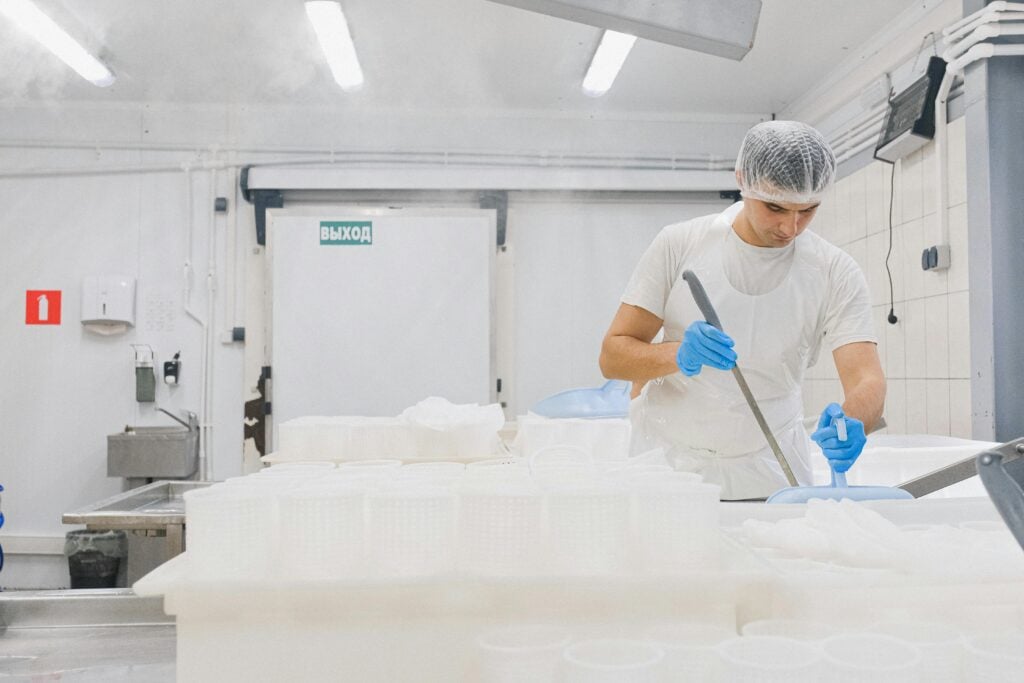
Food sanitation companies specialize in cleaning methods tailored specifically for food processing plants. They use industry-approved techniques and equipment to eliminate residual debris, bacteria, and other contaminants.
Compliance with Regulatory Standards
Adhering to regulations such as HACCP (Hazard Analysis and Critical Control Points) and USDA guidelines is mandatory. Experienced sanitation providers ensure your facility stays compliant, avoiding costly violations and shutdowns.
Key Factors in Selecting a Contract Sanitation Partner
- Experience and Industry Expertise: Choose providers familiar with food industry standards and processes.
- Customized Cleaning Solutions: Look for companies offering tailored sanitation plans that address your specific plant needs.
- Advanced Equipment and Eco-Friendly Products: Ensure the provider employs state-of-the-art technology and environmentally safe cleaning agents.
- Regulatory Compliance and Certification: Confirm they comply with OSHA, HACCP, and other relevant certifications.
- Reputation and References: Review testimonials and case studies to gauge their reliability and service quality.
Top Contract Sanitation Service Providers
For reliable and professional sanitation services, consider partnering with leading companies such as Fayette Contract Sanitation Services, Janiking, and Hydrite. These firms are known for their expertise in the food industry and compliance with the highest standards.
Implementing Effective Sanitation Practices in Your Food Processing Plant
Developing a Sanitation Schedule
Establish routine cleaning and sanitation schedules aligned with production cycles to prevent buildup and microbial growth.
Employee Training and Hygiene
Regular training ensures staff understands proper cleaning procedures, hygiene protocols, and the importance of sanitation in food safety.
Auditing and Continuous Improvement
Regular audits and inspections help identify gaps and opportunities for improvement, ensuring your sanitation practices evolve with industry standards.
Conclusion
Investing in professional contract sanitation services is essential for maintaining a safe, compliant, and efficient food processing facility. With the right partner, your plant can uphold the highest standards of cleanliness, ensuring consumer safety and regulatory adherence.