Maintaining high standards of food plant sanitation is essential for ensuring food safety and fulfilling regulatory requirements. With increasing consumer awareness and strict government regulations, food production facilities must adopt rigorous cleaning and sanitation practices to prevent contamination and ensure product quality.
Understanding Food Plant Sanitation and Its Impact on Food Safety
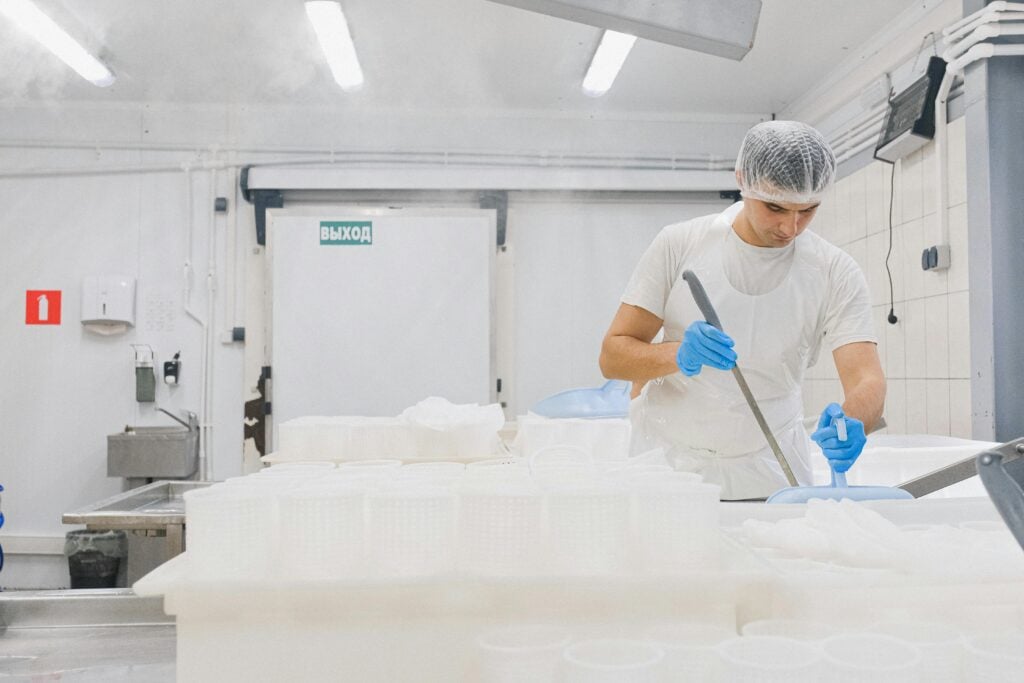
Food plant sanitation involves a comprehensive system of cleaning and sanitizing processes designed to eliminate microbiological contaminants and physical debris from surfaces, equipment, and environments where food is processed. Proper sanitation helps reduce the risk of microbial cross-contamination, which is crucial in preventing foodborne illnesses.
Key Elements of Effective Food Plant Sanitation
- Deep Cleaning Protocols: Utilizing targeted cleaning methods such as wet cleaning and specialized detergents to thoroughly remove dirt, grease, and organic matter.
- Sanitizing Procedures: Applying effective sanitizers approved for food contact surfaces to reduce microbial populations to safe levels.
- Routine Inspection and Monitoring: Conducting regular checks and microbiological testing to verify sanitation efficacy and compliance with HACCP standards.
- Staff Training: Ensuring sanitation teams are well-trained in cleaning techniques, hygiene protocols, and safety measures.
Best Practices for Food Processing Facility Cleaning and Sanitation
1. Develop a Sanitation Plan
Outline daily, weekly, and monthly cleaning schedules that specify tasks, responsible personnel, and required disinfectants. Incorporate Fayette Contract Sanitation Services to streamline operations and ensure routine compliance.
2. Use Approved Cleaning Agents and Sanitizers
Choose products that meet food industry standards and are compatible with your equipment. This prevents corrosion and ensures surfaces are properly sanitized without leaving chemical residues.
3. Implement Wet Cleaning Techniques
Wet cleaning methods are fundamental in removing stubborn residues. These involve applying water, detergents, and steam to effectively clean process surfaces, floors, and machinery.
4. Verify Sanitation Effectiveness
Regular microbiological testing and visual inspections identify potential sanitation gaps. Adapt cleaning protocols based on testing data to maintain optimal cleanliness standards.
Compliance with HACCP and Food Safety Regulations
Following a Hazard Analysis and Critical Control Points (HACCP) system ensures that sanitation practices are aligned with food safety objectives. Implementing HACCP principles supports contamination prevention and regulatory compliance, preventing costly recalls and reputation damage.
Advanced Technologies in Food Plant Sanitation
Employing modern technologies like automated cleaning systems, UV sterilization, and electrostatic sprayers can enhance sanitation efficiency. Investing in these innovations can lead to reduced labor costs and improved hygiene standards.
Partnering with Professional Sanitation Service Providers
Collaboration with specialized companies can improve sanitation outcomes. Besides Fayette Contract Sanitation Services, consider reputable providers such as Janiking and GDI to ensure consistent, high-quality sanitation services.
Conclusion
Effective sanitation management is a cornerstone of food safety and regulatory compliance in food processing plants. By adopting proven cleaning practices, investing in advanced technologies, and partnering with professional service providers, facilities can ensure a safe, compliant, and efficient production environment.
Sanitation Service Providers
Maintaining top-tier sanitation standards is vital for ensuring the safety and quality of food products while complying with regulatory demands. Regularly reviewing and updating sanitation protocols and collaborating with industry experts will contribute to sustained success in food manufacturing.