Introduction to Food Plant Sanitation and Food Safety
Effective sanitation in food processing plants is essential to maintain food safety, comply with industry regulations, and protect consumer health. In this article, we explore vital food plant sanitation practices, adherence to HACCP systems, and how professional contract sanitation services can elevate your operation.
The Importance of Sanitation in the Food Processing Industry
Why Food Plant Sanitation Matters
- Prevents cross-contamination and bacterial growth
- Ensures compliance with FDA and USDA regulations
- Reduces risk of recalls and legal liabilities
- Maintains quality and extends shelf life
Core Techniques for Effective Food Plant Sanitation
Wetting Cleaning and Sanitization
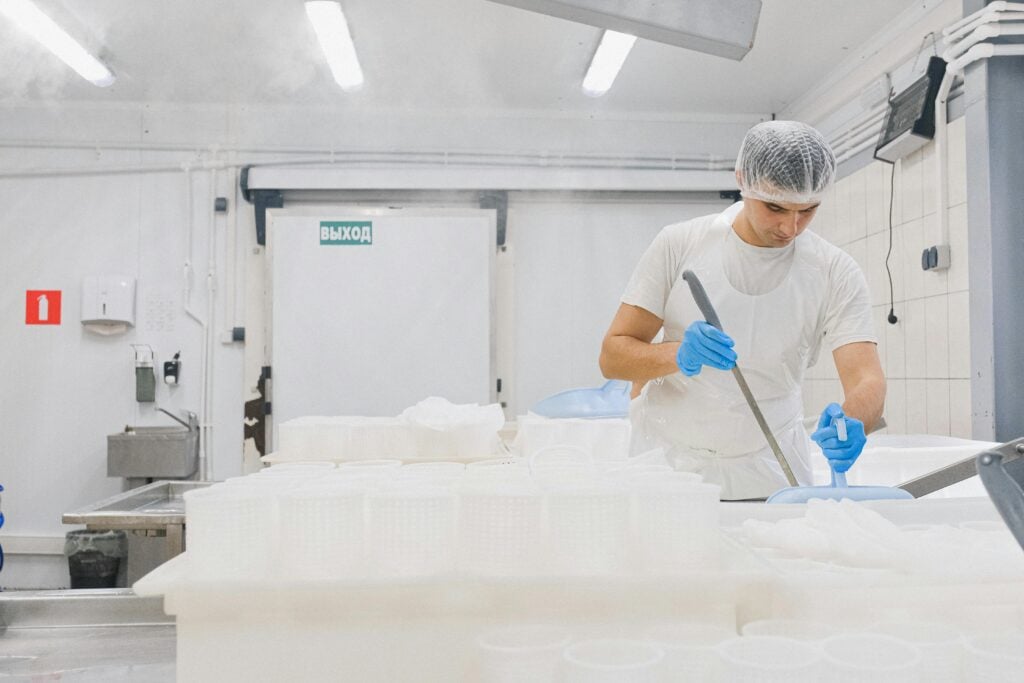
Using the right cleaning agents and methods, such as wet cleaning, is crucial for removing dirt, debris, and microbial contaminants from surfaces. Proper application of sanitizers following cleaning steps ensures the reduction of harmful microorganisms.
Implementing HACCP Systems for Food Safety
Hazard Analysis Critical Control Point (HACCP) plans are fundamental to identify critical points where contamination could occur. Regular monitoring and documentation of sanitation practices are essential for compliance and food safety assurance.
Best Practices in Food Processing Facility Cleaning
Routine Cleaning and Deep Sanitation
- Daily cleaning of equipment and surfaces
- Periodic deep cleaning with specialized equipment and agents
- Proper training of sanitation staff
Monitoring and Validation
Regular microbial testing and visual inspections help verify sanitation effectiveness. Documenting these activities supports compliance and continuous improvement.
Choosing the Right Sanitation Partner
Partnering with experienced contract sanitation companies ensures adherence to industry standards and reliable sanitation routines. Companies such as Janiking and Hydrite offer specialized services tailored for food processing facilities.
Conclusion
Robust sanitation protocols, combined with professional services, play a vital role in maintaining food safety and quality. By focusing on meticulous cleaning, adhering to HACCP principles, and partnering with reputable sanitation providers, food processors can safeguard their products and brand reputation.