Optimizing Food Processing Sanitation for Superior Food Safety
In the food processing industry, sanitation is not just a routine task—it’s a strategic pillar that directly impacts product quality, safety, and regulatory compliance. Achieving high standards of sanitation involves a detailed understanding of food plant sanitation services, and how they contribute to overall food safety.
The Role of Sanitation in Food Processing
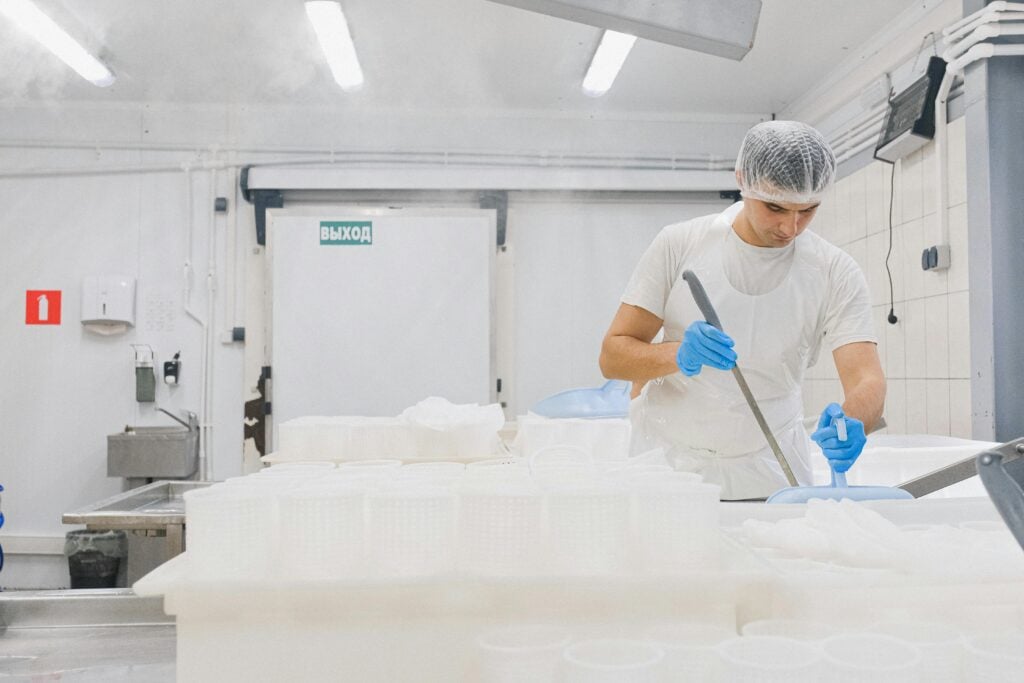
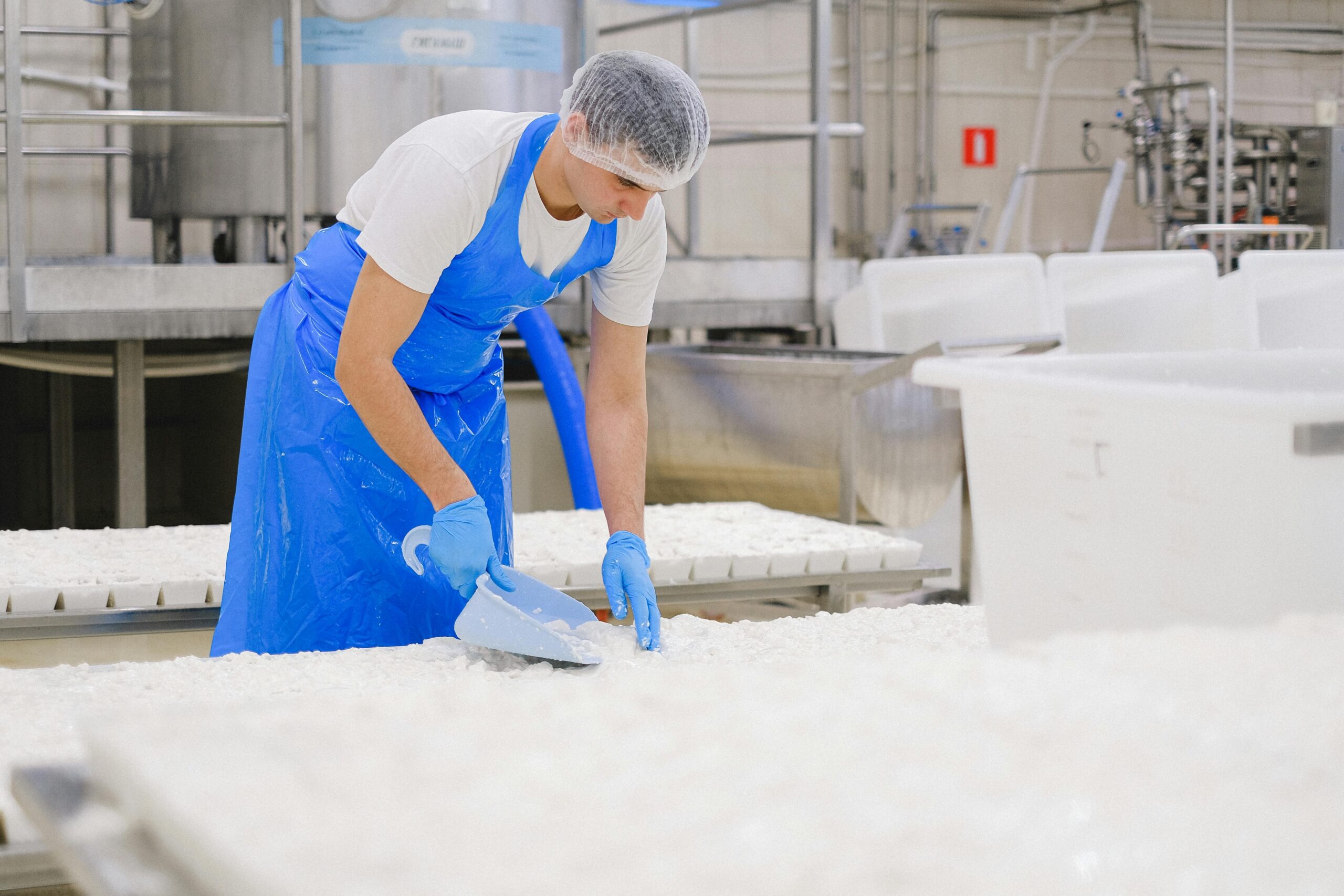
Effective sanitation in food processing plants is essential to prevent cross-contamination and microbial growth. This entails a meticulous approach to clean all surfaces, equipment, and facilities. Companies can partner with expert Fayette Contract Sanitation Services and other reputable providers such as Janiking or GDI for tailored cleaning solutions that meet industry standards.
Key Components of Food Processing Sanitation
- Surface Cleaning: Removing dirt, debris, and organic matter that harbor bacteria.
- Disinfection: Using approved disinfectants to eliminate pathogenic organisms.
- Equipment Sanitization: Regular deep cleaning of machinery to maintain hygiene standards.
- Personnel Hygiene: Staff training and proper handwashing protocols to reduce contamination risks.
Implementing Effective Sanitation Protocols
1. Establishing a Cleaning Schedule
Consistent cleaning schedules tailored to operational needs ensure that all critical areas are maintained at optimal hygiene levels. Documented procedures aid in compliance and facilitate food safety audits.
2. Training Personnel
Employees should be trained in proper sanitation practices, including the correct use of cleaning chemicals and equipment handling, aligned with HACCP principles.
3. Using Food-Safe Cleaning Agents
Only food-grade cleaning and sanitizing chemicals should be used to avoid chemical residues that could compromise product safety.
Regulatory Compliance and Food Safety Standards
Adhering to FDA and USDA regulations requires a thorough understanding of HACCP systems and regular verification of sanitation protocols.
The Benefits of Professional Sanitation Services
Partnering with specialized sanitation providers offers many benefits, including:
- Expertise in industry-specific cleaning protocols
- Access to advanced cleaning technologies
- Ensured regulatory compliance
- Minimized risk of product recalls due to sanitation failures
Sanitation Service Providers
When choosing a sanitation partner, consider companies like Fayette Contract Sanitation Services, Janiking, and GDI.
Maintaining impeccable sanitation standards is essential for the integrity of food processing operations. Investing in state-of-the-art sanitation solutions and expert services ensures compliance, safety, and the delivery of high-quality food products.