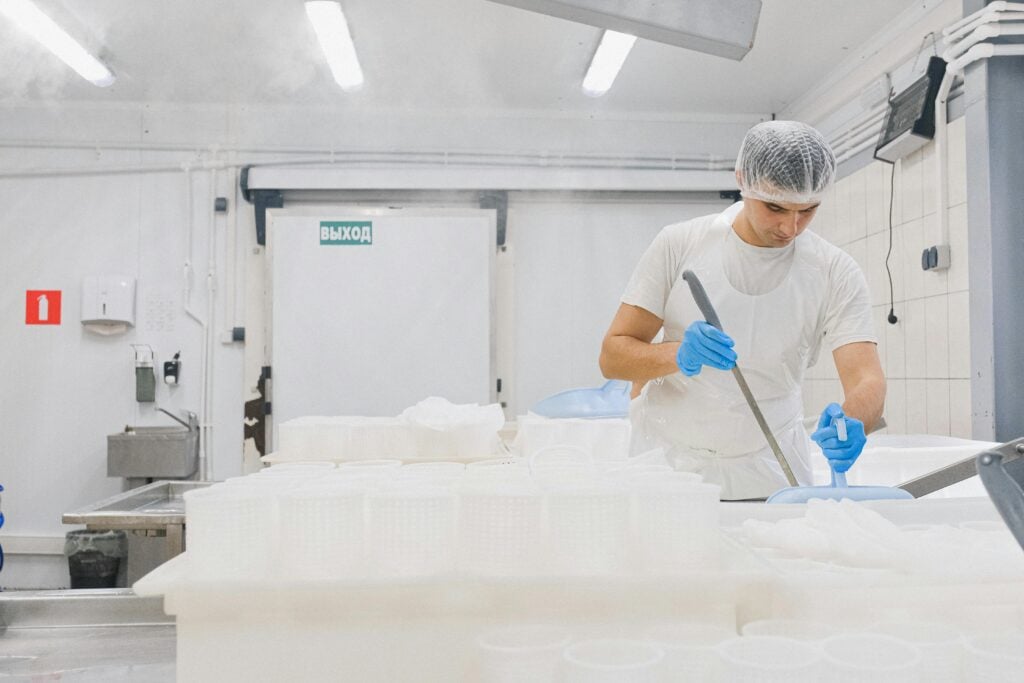
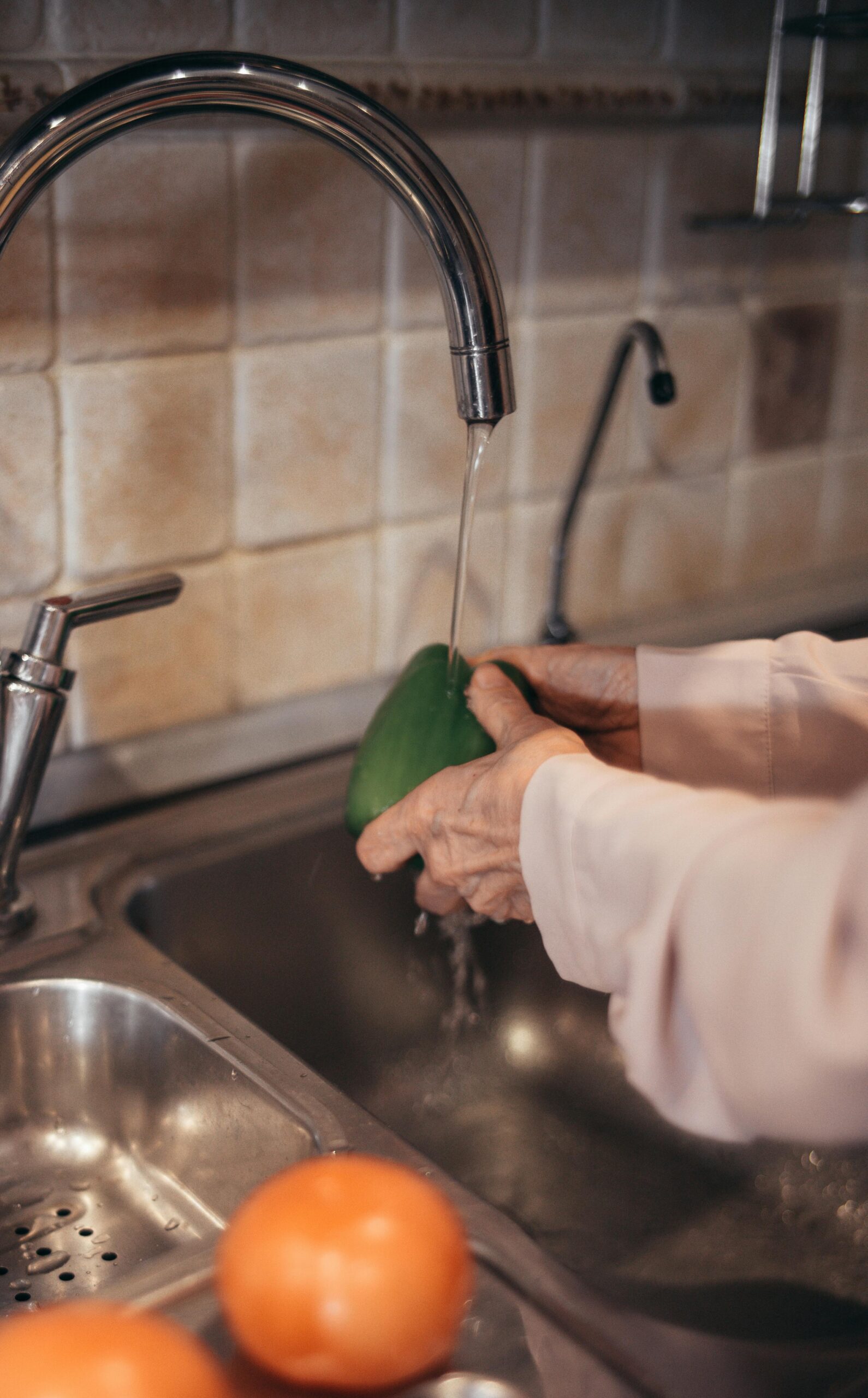
Maintaining high standards of food plant sanitation is essential for ensuring food safety and complying with industry regulations. Proper sanitation not only prevents contamination but also extends the lifespan of equipment and assures product quality. This comprehensive guide explores the best industry practices, effective cleaning strategies, and the latest sanitation technologies suited for food processing facilities.
Understanding Food Plant Sanitation and Its Role in Food Safety
What Is Food Plant Sanitation?
Food plant sanitation involves systematic cleaning and disinfection of facilities, equipment, and surfaces to eliminate harmful microorganisms and debris. Proper sanitation reduces the risk of foodborne illnesses and ensures compliance with food safety standards, such as HACCP (Hazard Analysis and Critical Control Points).
Key Components of Effective Food Plant Sanitation
- Routine Cleaning: Scheduled removal of dirt, grease, and food residues using industry-approved cleaning agents.
- Sanitization: Application of approved disinfectants to kill bacteria and viruses on surfaces.
- Equipment Maintenance: Regular inspection and cleaning of machinery to prevent buildup of contaminants.
- Worker Hygiene: Emphasizing personal sanitation practices among staff to avoid cross-contamination.
Best Practices in Food Processing Facility Cleaning
Implementing a Robust Cleaning Schedule
Develop a cleaning schedule tailored to your facility’s workflow, focusing on high-touch areas and equipment. Use checklists to ensure consistency and thoroughness. The Fayette Contract Sanitation Services offers expert guidance on developing customized sanitation plans.
Choosing the Right Cleaning Agents
Select cleaning agents that are compatible with your equipment and approved for food-related environments. Proper dilution, contact time, and application techniques are critical for effective cleaning.
Utilizing Advanced Sanitation Technologies
Modern equipment such as fogging systems, steam cleaners, and electrostatic sprayers can enhance sanitation efficiency and coverage. These technologies help achieve a higher level of hygiene in hard-to-reach areas.
Monitoring and Validating Cleaning Effectiveness
- Perform microbiological testing to verify the reduction of targeted pathogens.
- Maintain detailed records of cleaning activities, inspections, and test results.
- Conduct regular employee training on sanitation procedures.
Compliance with Industry Standards and Regulations
Adherence to standards such as FDA regulations and USDA requirements is vital. Implementing HACCP plans and conducting regular audits ensure ongoing compliance and food safety integrity.
Partnering with Reliable Sanitation Service Providers
Outsourcing sanitation to experienced service providers ensures consistent results and allows your team to focus on core operations. Besides Fayette Contract Sanitation Services, other reputable companies include Janiking and Hydrite.
Conclusion
Achieving optimal food plant sanitation is a continuous process that demands strategic planning, investment in advanced technologies, and compliance with regulatory standards. Prioritizing sanitation not only safeguards consumer health but also enhances operational efficiency and brand reputation in the competitive food industry.