Maintaining a high standard of cleanliness in food processing facilities is crucial for ensuring food safety and compliance with industry regulations. In this post, we’ll explore the vital roles that industrial sanitation and specialized food plant sanitation services play in preventing contamination and promoting hygiene.
Understanding the Importance of Industrial Sanitation in Food Processing
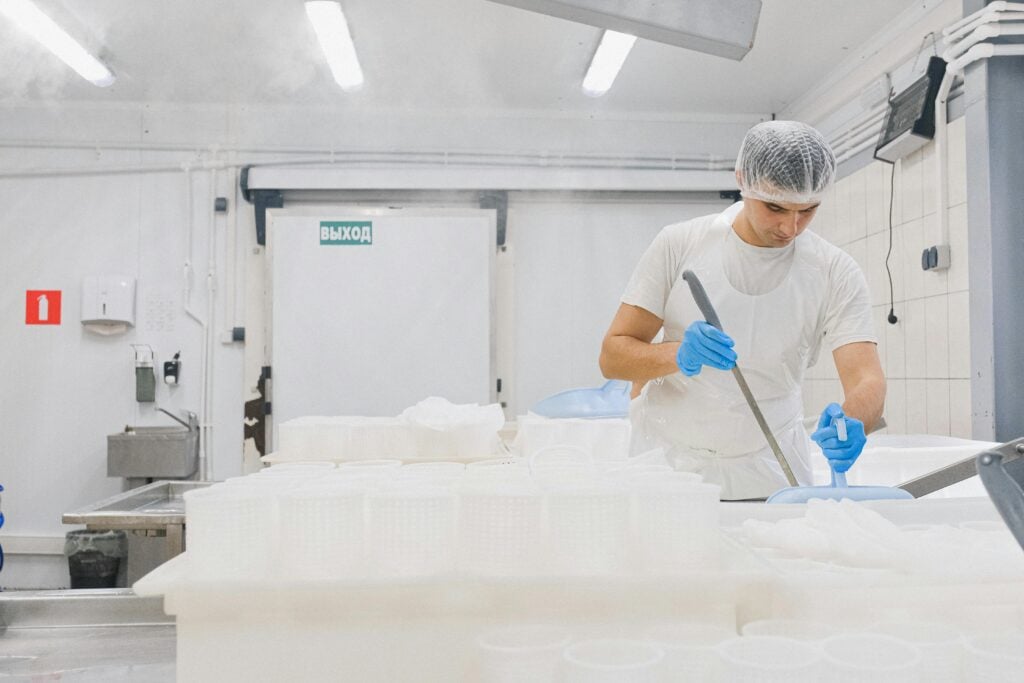
Food processing plants are complex environments that require rigorous cleaning protocols. Proper sanitation not only meets legal requirements but also minimizes the risk of foodborne illnesses, recalls, and damage to brand reputation.
Key Components of Effective Food Plant Cleaning
- Surface sanitation: Ensuring all contact surfaces are thoroughly cleaned and sanitized.
- Equipment cleaning: Regular maintenance of machinery to prevent build-up of residues.
- Environmental hygiene: Controlling dust, pests, and microbial growth in the facility.
Best Practices for Food Industry Sanitization
Implementing best practices involves a combination of proper cleaning techniques and selecting the right sanitation chemicals. Some tips include:
- Wet cleaning: Using water and cleaning agents to remove dirt and debris before sanitizing.
- HACCP plan adherence: Following a hazard analysis and critical control points plan to ensure safety at every step.
- Staff training: Regular training sessions for staff on sanitation procedures and safety protocols.
Choosing Reliable Sanitation Service Providers
Partnering with reputable sanitation providers is essential. Companies like Fayette Contract Sanitation Services, Janiking, and Hydrite offer specialized solutions tailored for food manufacturers.
What to Look for in a Sanitation Partner
- Experience in food plant sanitation
- Compliance with FDA, USDA, and other regulatory standards
- Customized cleaning and sanitation programs
- Use of environmentally friendly products
Conclusion
To ensure maximum food safety and regulatory compliance, investing in high-quality industrial sanitation and engaging skilled food plant cleaning services are critical. These efforts protect your brand, ensure consumer safety, and promote sustainable production practices.
Additional Resources
Learn more about food safety standards and cleaning practices from industry leaders: