Maintaining a high standard of food plant sanitation is crucial for ensuring safety, compliance, and efficient operations in the food processing industry. Proper industrial sanitation practices not only prevent contamination but also help meet stringent regulatory requirements.
Understanding the Importance of Food Plant Sanitation
Food processing facilities face unique challenges when it comes to cleanliness. Cross-contamination, biofilms, and the buildup of residues can compromise product safety and quality. Implementing effective sanitation strategies minimizes these risks and preserves consumer trust.
Best Practices for Food Industry Cleaning
1. Regular and Scheduled Cleaning
- Develop a cleaning schedule that aligns with production cycles.
- Prioritize high-touch surfaces and equipment.
2. Use of Proper Cleaning Agents and Sanitizers
- Select food-safe cleaning chemicals approved by regulatory agencies.
- Ensure correct dilution and contact times for efficacy.
3. Wet Cleaning and Advanced Techniques
Wet cleaning methods effectively remove biofilms and stubborn residues. Technologies such as high-pressure washing or steam cleaning can enhance sanitation efforts.
Maintaining Compliance with Food Safety Standards
HACCP Systems and Record-Keeping
Develop a HACCP plan to identify potential hazards and establish control measures. Record-keeping ensures traceability and demonstrates compliance during audits.
Staff Training and Hygiene
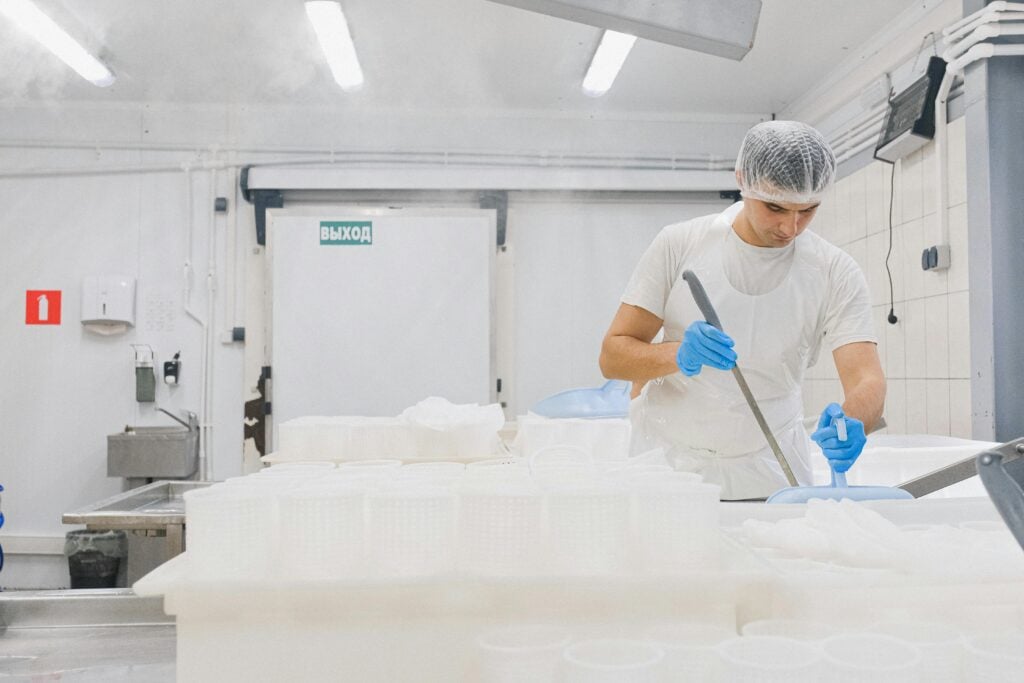
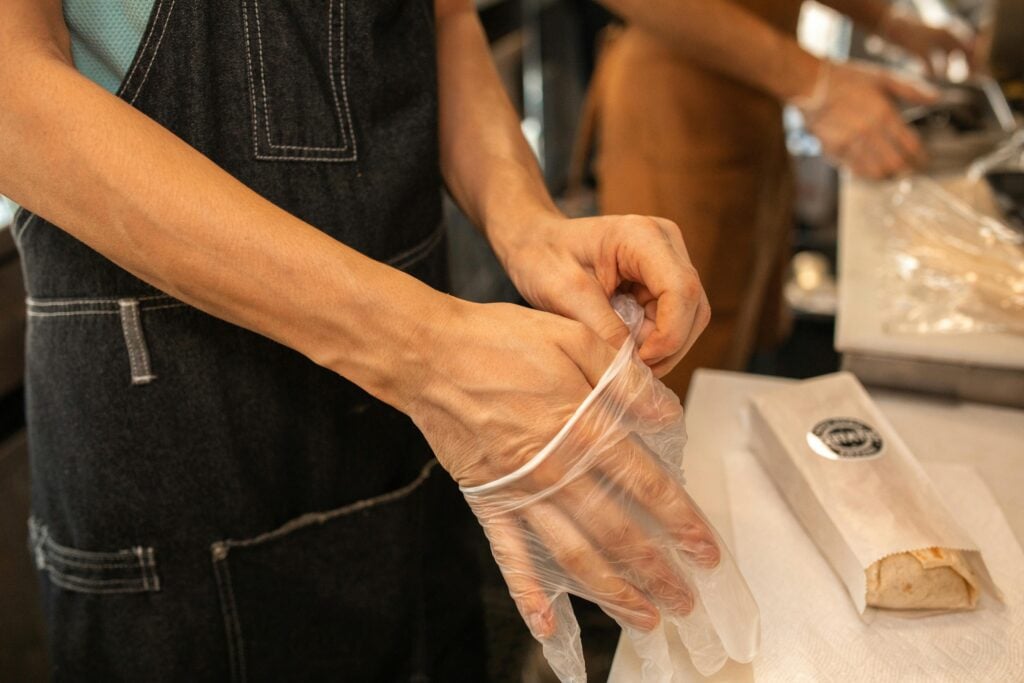
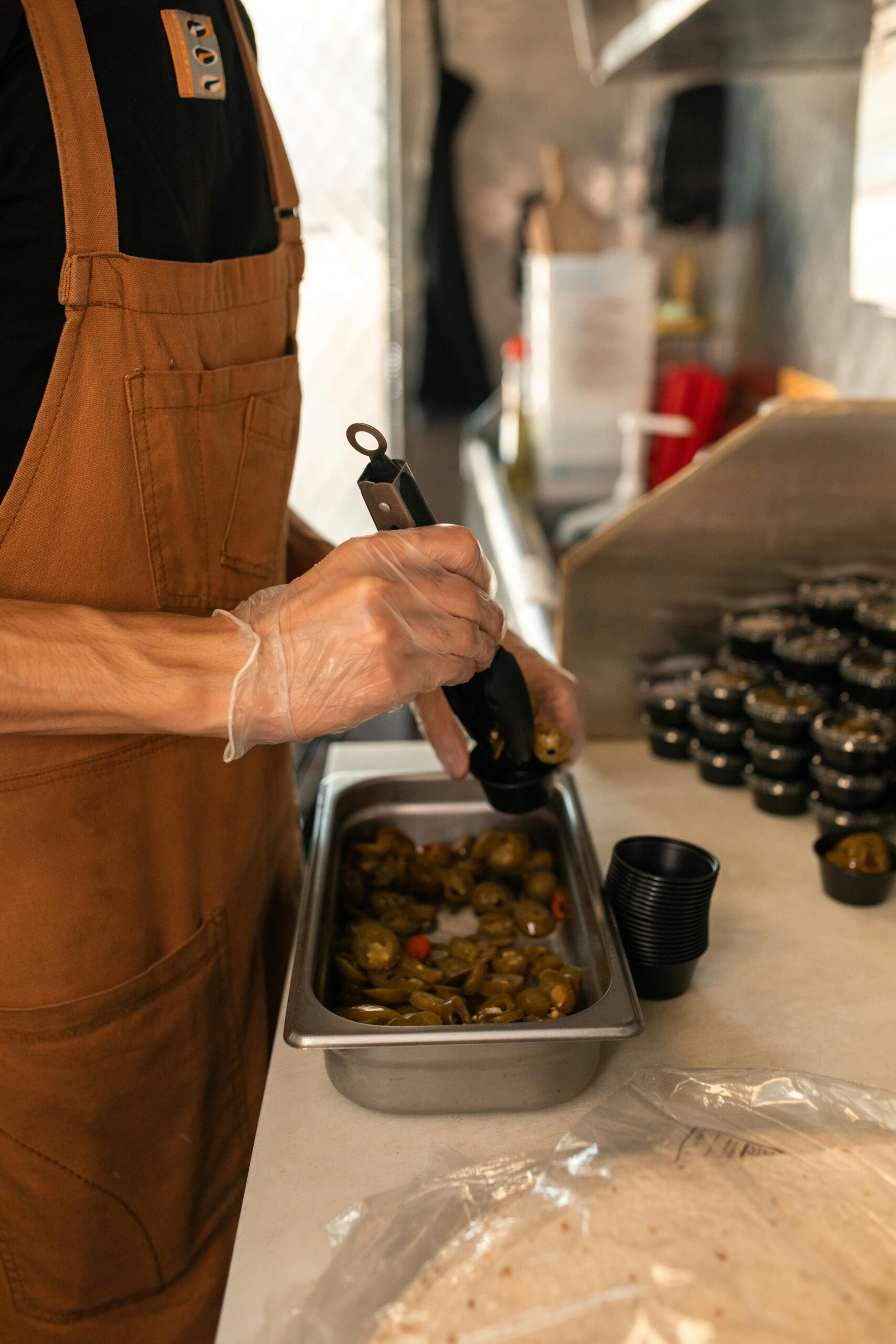
Proper training on sanitation protocols is essential. Employees must understand the importance of hygiene, correct cleaning procedures, and personal protective equipment.
Choosing Professional Sanitation Services
Partnering with contract sanitation companies can streamline cleanliness and ensure regulatory compliance. Consider providers with experience in the food industry, such as:
Conclusion
Maintaining rigorous food processing plant cleaning protocols and partnering with expert sanitation service providers are key to safeguarding food safety and ensuring compliance. Regularly reviewing and updating sanitation procedures helps exceed industry standards and enhances overall operational hygiene.
Sanitation Service Providers
When selecting a sanitation partner, consider proven industry leaders like Fayette Contract Sanitation Services, Janiking, and GDI. These companies offer specialized cleaning tailored to the food industry, helping facilities meet stringent standards.