Maintaining high standards of cleanliness and sanitation is essential for food processing facilities, not only to comply with safety regulations but also to ensure the safety and quality of the food products. This article explores the critical role of industrial sanitation and food plant sanitation services in promoting food safety and achieving regulatory compliance.
Understanding Industrial Sanitation and Food Plant Sanitation
What is Industrial Sanitation?
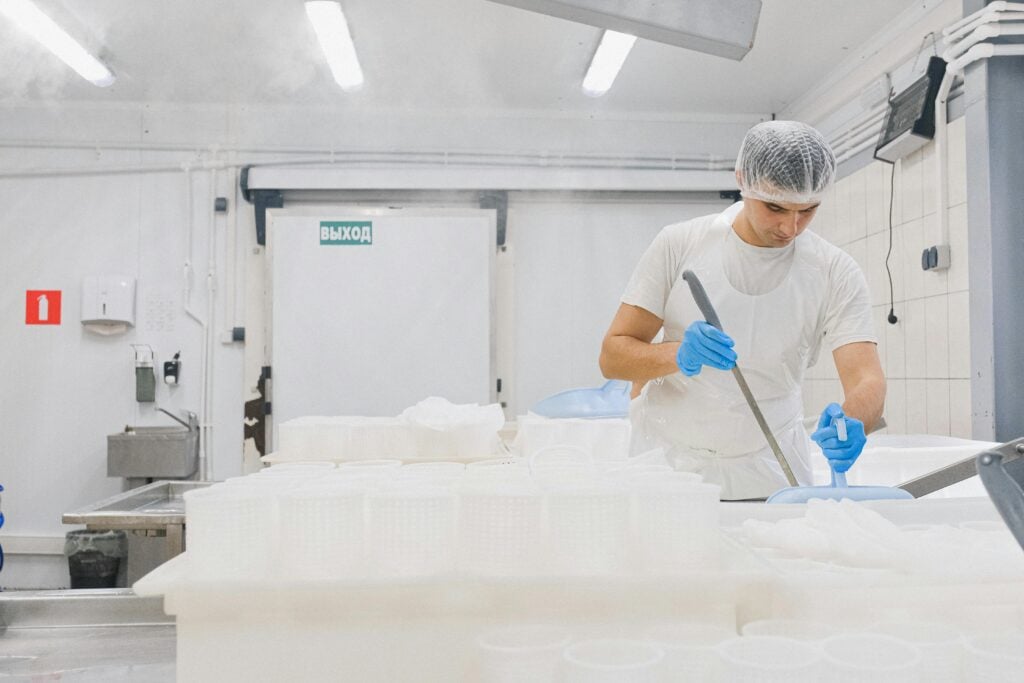
Industrial sanitation refers to the comprehensive cleaning and sanitizing processes implemented in large-scale food processing environments. Proper sanitation eliminates harmful microorganisms, dirt, and debris, which are potential sources of contamination.
The Importance of Food Plant Sanitation Services
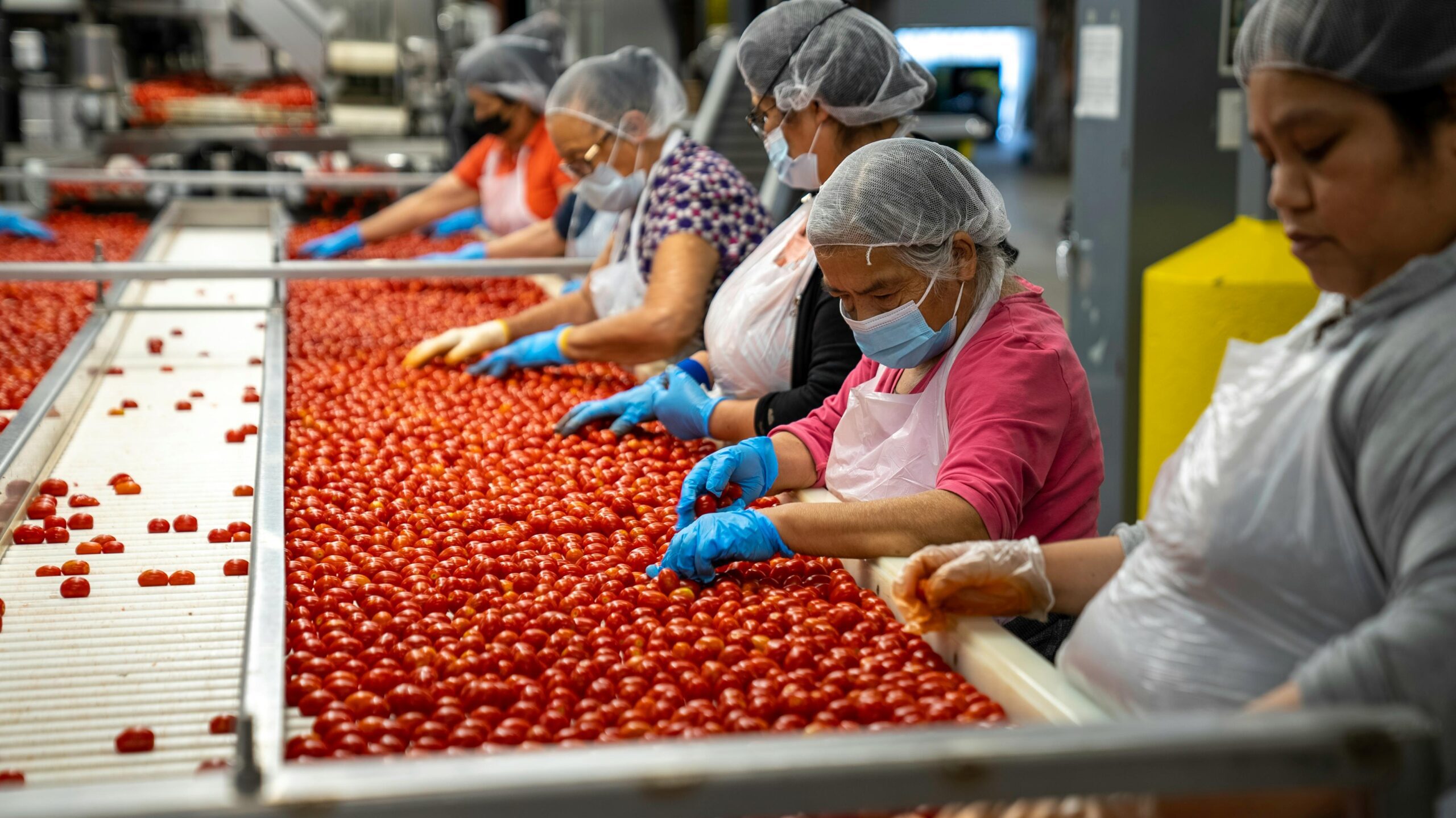
Food plant sanitation services are specialized cleaning programs designed to meet stringent industry standards. These services help prevent cross-contamination, extend equipment lifespan, and meet food safety audits. Efficient sanitation also reduces the risk of foodborne illnesses caused by bacteria such as Salmonella and Listeria.
Best Practices in Food Plant Sanitation
Developing a Robust Sanitation Program
- Implement HACCP (Hazard Analysis and Critical Control Points) plans to identify critical sanitation points.
- Regularly schedule cleaning cycles for equipment, floors, and surfaces.
- Train staff thoroughly on sanitation protocols and equipment handling.
- Use approved cleaning agents that are suitable for food contact surfaces.
Tools and Equipment for Effective Sanitation
Modern wet cleaning techniques, high-pressure steam cleaners, and eco-friendly disinfectants improve sanitation effectiveness. Equipment should be easy to disassemble for thorough cleaning and follow the manufacturer’s guidelines.
Compliance and Inspection Readiness
Adhering to industry standards and local regulations requires meticulous documentation and routine audits. Implementing effective sanitation practices ensures compliance with agencies such as the USDA and FDA, and prepares the facility for unannounced inspections.
Partnering with Trusted Sanitation Service Providers
Choosing reputable Fayette Contract Sanitation Services and other recognized companies like Janiking, Hydrite, or GDI ensures access to industry-leading sanitation solutions tailored to your needs.
Conclusion
Investing in robust industrial sanitation and food plant sanitation services is vital for food safety, regulatory compliance, and operational efficiency. Regular sanitation practices not only protect consumers but also safeguard your company’s reputation in the competitive food processing industry.
For more information on maintaining optimal sanitation standards, visit Fayette Contract Sanitation Services.