Introduction to Industrial and Food Plant Sanitation
In the food processing industry, maintaining high standards of sanitation is vital to ensure food safety and regulatory compliance. Industrial cleaning and sanitation services help mitigate the risk of contamination, protect brand reputation, and meet stringent health standards. This article explores essential sanitation protocols, innovative cleaning techniques, and how partnering with reputable sanitation providers can elevate your facility’s standards.
Understanding the Essential Role of Food Plant Sanitation
Why Sanitation is Critical in Food Processing
- Prevents microbial contamination and spoilage
- Ensures compliance with FDA and USDA regulations
- Maintains product quality and extends shelf life
Key Components of Effective Industrial Sanitation
- Regular cleaning schedules with validated protocols
- Use of food-grade sanitizers and disinfectants
- Proper equipment maintenance and sanitation
- Employee training on hygiene and sanitation procedures
Innovative Strategies for Food Plant Cleaning
Wet Cleaning Methods
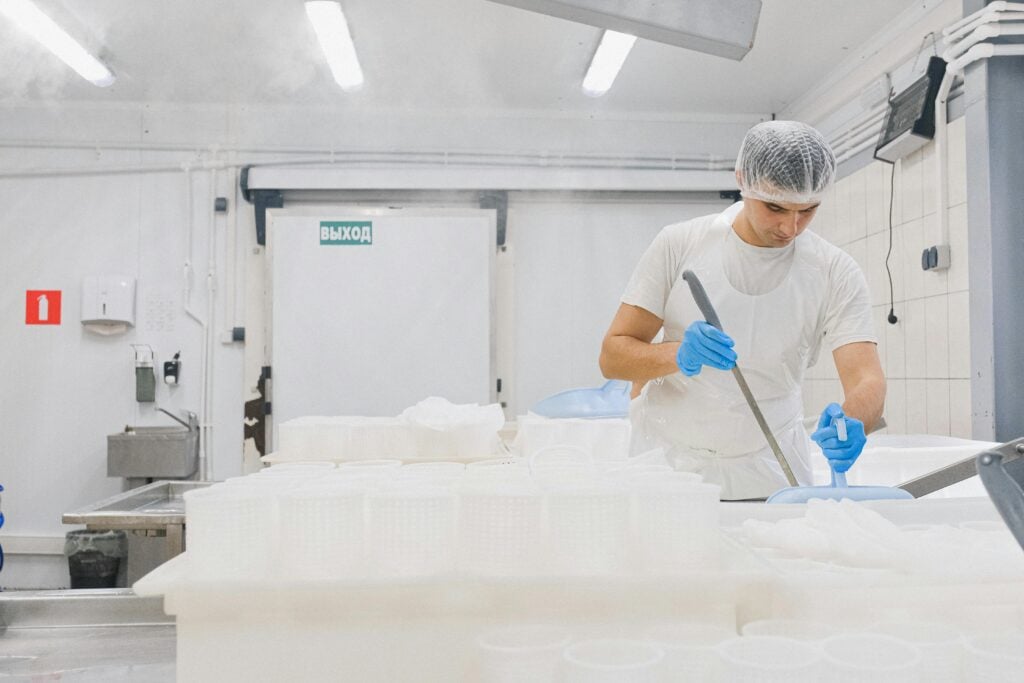
Wet cleaning remains a cornerstone in industrial sanitation, utilizing high-pressure hoses and cleaning chemicals to remove dirt and debris thoroughly from surfaces and equipment. Proper application of wet cleaning techniques prevents microbial biofilms and cross-contamination.
Cleaning in Food Industry: Best Practices
- Tailor cleaning schedules to production cycles
- Use CIP (Clean-In-Place) systems for efficiency
- Follow up with sanitization to eliminate residual microbes
- Document cleaning and sanitation activities for compliance
Regulatory Compliance and HACCP
Implementing HACCP Systems
The Hazard Analysis and Critical Control Points (HACCP) system is essential for identifying and managing food safety risks. Effective sanitation practices are integral to the successful implementation of HACCP plans, helping detect hazards early and control potential contamination points.
Maintaining HACCP Compliance
- Regular training and certification of staff
- Validation and verification of cleaning procedures
- Keeping detailed sanitation logs and records
- Using scientifically validated cleaning chemicals and methods
Choosing the Right Contract Sanitation Partner
Partnering with experienced contract sanitation companies ensures your facility meets all sanitary standards. Reputable providers bring expertise, advanced equipment, and proven protocols to maximize cleanliness and food safety compliance.
Sanitation Service Providers
Conclusion
Effective sanitation in food processing facilities is a vital element of food safety and regulatory compliance. By implementing innovative cleaning strategies, adhering to HACCP principles, and partnering with trusted sanitation providers, your facility can maintain the highest standards of cleanliness, safeguard consumer health, and boost operational efficiency.
For more information on industrial sanitation and cleaning services, visit Fayette Contract Sanitation Services.