
Introduction to Food Plant Sanitation and Industry Compliance
Maintaining high standards of food plant sanitation is crucial for ensuring safety, quality, and compliance with industry regulations. Proper sanitation practices not only prevent contamination but also enhance operational efficiency. In this article, we explore innovative cleaning methods, regulatory compliance, and the importance of partnering with Sanitation Service Providers to keep your food processing facilities compliant and safe.
The Significance of Food Plant Sanitation in Industry Compliance
Food processing plants are subject to rigorous standards set by agencies such as the FDA and USDA. To meet these standards, facilities must implement effective sanitization protocols that eliminate pathogens, residual debris, and biofilms. Regular and thorough cleaning is essential to prevent cross-contamination, ensure product safety, and pass food safety audits, such as HACCP (Hazard Analysis and Critical Control Points).
Innovative Cleaning Strategies for Food Processing Facilities
Wet Cleaning and Its Role in Food Industry Sanitation
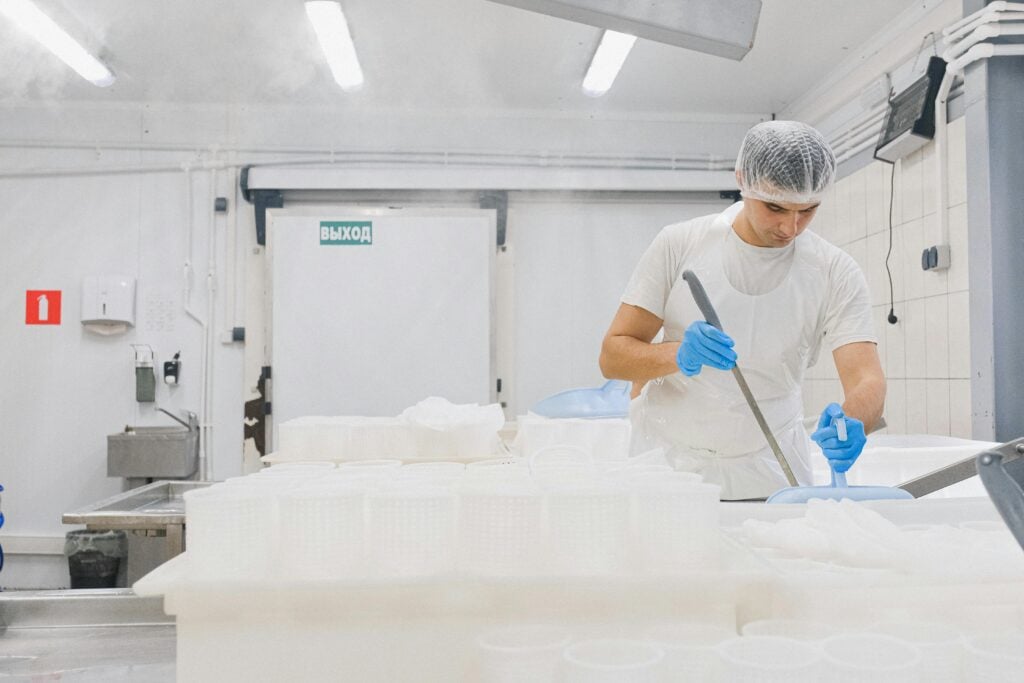
Wet cleaning remains a foundational method in food industry sanitation. It involves the use of water, detergents, and sanitizers to remove dirt, grease, and microbial contaminants. Modern wet cleaning techniques employ advanced equipment and eco-friendly solutions to achieve superior sanitation results.
Use of Contract Sanitation Companies
Partnering with Fayette Contract Sanitation Services and other leading providers. such as Janiking or Jan-Pro, ensures access to specialized cleaning technologies, trained personnel, and compliance with industry standards. Outsourcing sanitation responsibilities allows food facilities to focus on core operations while maintaining optimal cleanliness standards.
Key Elements of Effective Sanitation in Food Plants
- HACCP Compliance: Establishing and maintaining HACCP plans to identify critical points and control hazards effectively.
- Regular Cleaning and Disinfection: Adopting best practices for cleaning schedules, sanitizing equipment, and maintaining hygiene zones.
- Staff Training: Ensuring personnel are well-trained in sanitation protocols and the proper use of cleaning agents.
- Documentation and Record-Keeping: Keeping detailed logs of cleaning activities to facilitate audits and continuous improvement.
Ensuring Regulatory Compliance and Safety
Compliance with industry standards requires adherence to strict sanitation protocols, which are monitored through routine inspections and audits. Utilizing Fayette sanitation services can help facilities stay aligned with regulatory requirements. Proper training, effective cleaning routines, and documentation serve as the backbone of compliance efforts.
Future Trends in Food Facility Sanitation
The future of food processing plant sanitation is moving towards automation and digital tracking. Technologies like UV sanitization, ozone cleaning, and IoT-enabled monitoring devices are transforming industry practices and providing real-time data for better decision-making.
Sanitation Service Providers
When selecting a sanitation partner, consider established providers such as:
Partnering with experienced providers ensures your facility maintains the highest sanitation standards, meets compliance requirements, and mitigates risks associated with food safety hazards.
Conclusion
Effective food plant sanitation is vital for industry compliance, product safety, and operational excellence. By adopting innovative cleaning strategies, leveraging reputable sanitation companies, and maintaining rigorous protocols, food processing facilities can achieve superior sanitation outcomes that meet regulatory standards and protect consumer health.
For more information on sanitation services, visit Fayette Contract Sanitation Services.