Introduction
Maintaining impeccable food plant sanitation services is critical for ensuring food safety, complying with industry standards, and preventing cross-contamination in food processing facilities. The right sanitation protocols not only preserve the quality of products but also uphold consumer trust and meet regulatory requirements.
Importance of Industrial Sanitation in Food Processing
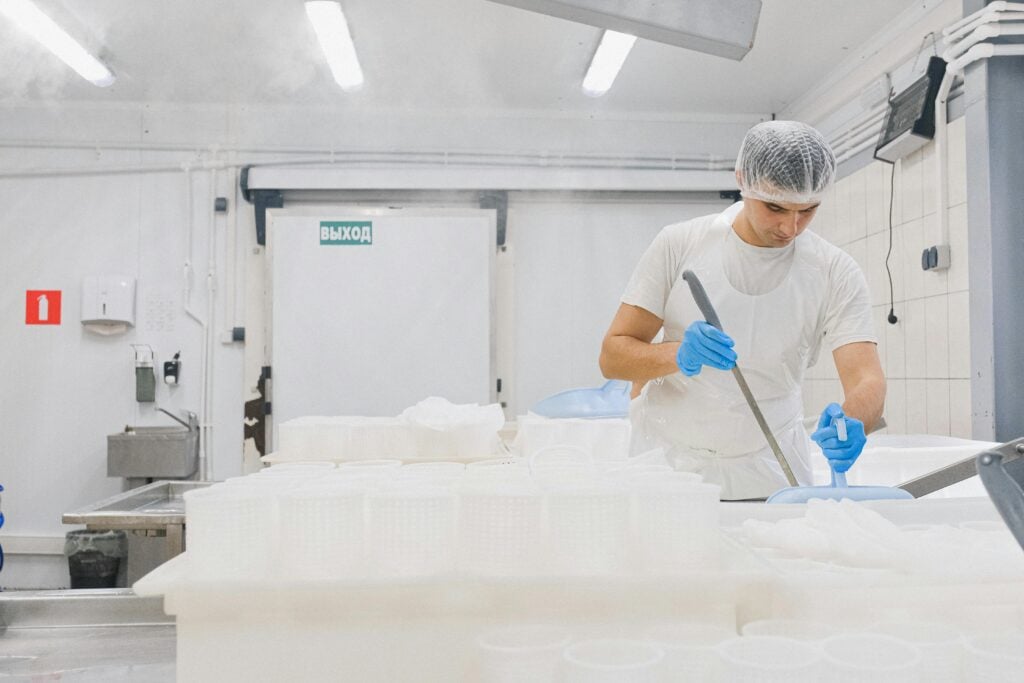
Industrial sanitation in food processing plants involves systematic cleaning and disinfection practices designed to eradicate harmful microbes, dirt, and debris from equipment, surfaces, and facilities. This process plays a vital role in:
- Preventing foodborne illnesses
- Meeting food safety compliance standards like HACCP
- Sustaining product quality and shelf life
Effective Food Processing Plant Cleaning Techniques
Wet Cleaning: The Foundation of Sanitation
Wet cleaning is a fundamental method that uses water, detergents, and mechanical action to remove soil from surfaces. It’s critical before disinfection to ensure microbes are exposed and eradicated effectively.
Disinfection and Sanitization
Disinfection involves the use of chemical agents to kill remaining microbes, while sanitization reduces microbial counts to safe levels. Properly sequencing cleaning, sanitizing, and disinfecting steps is essential for optimal sanitation.
Best Practices for Food Plant Sanitation
- Implement haccp (Hazard Analysis Critical Control Points) programs to identify risks and control points
- Adopt GDI sanitation technologies for automated cleaning solutions
- Train staff thoroughly in sanitation procedures and hygiene protocols
- Use regulated, food-grade cleaning and disinfecting agents compliant with USDA and FDA standards
- Schedule regular sanitization audits to verify compliance and identify improvement areas
Choosing the Right Food Plant Sanitation Partner
Partnering with reputable sanitation service providers ensures consistent cleanliness and compliance. Reputable companies include:
Conclusion
Incorporating rigorous food processing plant cleaning and sanitation practices is essential for maintaining a safe, compliant, and efficient food production environment. Utilizing advanced technologies and partnering with experienced sanitation providers can significantly enhance your facility’s sanitation program, ultimately protecting both consumers and your brand reputation.