Introduction to Industrial Sanitation and Food Plant Cleaning
Maintaining rigorous sanitation standards is critical in the food processing industry. Industrial sanitation goes beyond regular cleaning; it involves specialized processes designed to prevent cross-contamination, ensure food safety, and maintain compliance with regulatory standards like HACCP.
The Importance of Food Plant Sanitation Services
Effective sanitation in food plants is essential for:
- Reducing microbiological risks
- Ensuring product quality and safety
- Meeting federal and state regulations
- Preventing costly recalls and shutdowns
Key Components of an Effective Food Processing Plant Cleaning Program
1. Routine Cleaning & Wet Cleaning Techniques
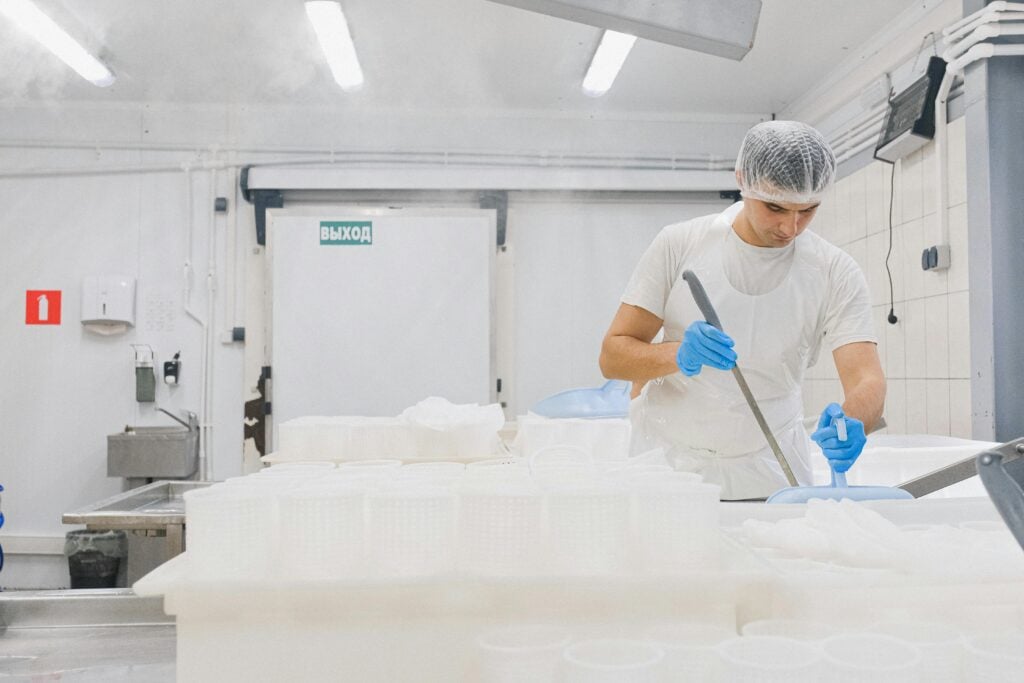
Wet cleaning involves the use of water and approved detergents to remove dirt, debris, and organic matter from machinery and surfaces. Regular wet cleaning supports the overall sanitation process and prepares surfaces for disinfection.
2. Disinfection and Sanitization
Sanitizing reduces the microbial load on surfaces to safe levels. It’s crucial for high-touch surfaces and equipment in food processing environments. Disinfection, often achieved with EPA-registered solutions, kills broad-spectrum pathogens.
3. HACCP Compliance and Food Safety Standards
Implementing Hazard Analysis and Critical Control Points (HACCP) systems helps identify potential contamination points and establish control measures. Proper sanitation is integral to HACCP compliance, ensuring food safety protocols are met.
Choosing the Right Contract Sanitation Company
Partnering with professional Fayette Contract Sanitation Services ensures your facility adheres to industry standards and maintains a sanitized environment. Other reputable companies include Janiking and Jan-Pro.
Implementing Effective Sanitation Procedures
Step 1: Soil Removal
Remove all visible soil and debris through pre-cleaning processes.
Step 2: Cleaning
Use appropriate detergents and water to thoroughly clean equipment and surfaces.
Step 3: Disinfection
Apply EPA-registered disinfectants, ensuring contact time is sufficient to eliminate pathogens.
Step 4: Drying and Verification
Allow surfaces to dry and conduct microbial testing to verify sanitation efficacy.
Conclusion: Prioritizing Sanitation for Food Safety Excellence
Effective industrial sanitation and cleaning are vital for operational success and regulatory compliance in food processing facilities. Partnering with experienced sanitation providers and adhering to strict cleaning protocols help safeguard your products, your brand, and consumer health.