
Introduction to Industrial and Food Plant Sanitation
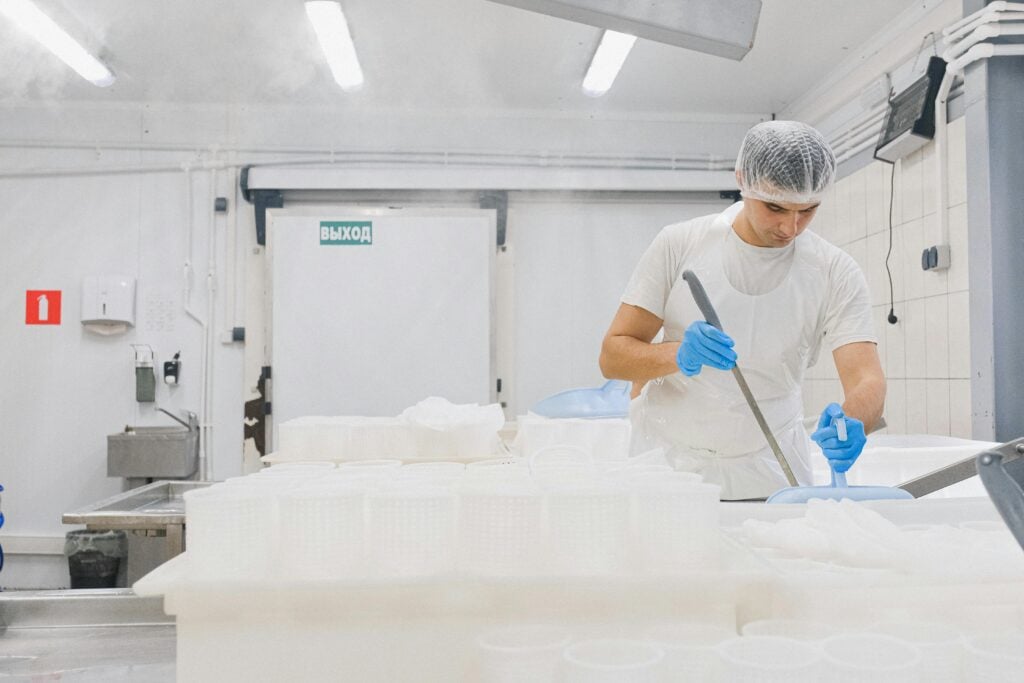
Maintaining high levels of cleanliness in food processing environments is crucial for ensuring food safety and regulatory compliance. Industrial sanitation companies play a vital role in providing specialized cleaning services tailored for food production facilities. This article explores effective sanitation strategies that meet industry standards, highlighting key services and best practices to keep your food processing plant in optimal condition.
Understanding the Importance of Food Plant Sanitation
Proper sanitation in food processing plants helps prevent cross-contamination, bacterial growth, and product spoilage. It also ensures adherence to stringent HACCP (Hazard Analysis and Critical Control Points) protocols, which are essential for maintaining safety standards and avoiding costly recalls.
Core Components of Effective Industrial Sanitation
1. Routine Cleaning and Disinfection
- Use of approved cleaning agents compatible with food industry requirements
- Regular removal of dirt, debris, and organic matter
- Application of disinfectants following proper contact times
2. Wet Cleaning Techniques
Utilizing wet cleaning methods ensures thorough removal of residues, especially in hard-to-reach areas. This process is vital for preventing microbial harborage and maintaining a hygienic environment.
3. Sanitation Equipment and Tools
- Sanitation-specific tools such as high-pressure washing systems
- Sanitizing sprayers and foam applicators
- Proper storage and maintenance to avoid cross-contamination
Choosing the Right Contract Sanitation Companies
Partnering with reputable companies specializing in fayette sanitation, Janiking, or Hydrite can provide tailored sanitation solutions for your facility. Keeping in mind your specific cleaning needs, regulatory requirements, and budget will help you select a provider that ensures compliance and food safety excellence.
HACCP Compliance and Sanitation
Implementing an effective HACCP system is central to ensuring food safety. Proper sanitation measures are integral to the HACCP plan, focusing on critical control points where microbial contamination could occur. Regular audits and validation of sanitation procedures are necessary to demonstrate compliance and operational integrity.
Best Practices for Maintaining Food Safety
- Establish cleaning schedules aligned with production cycles
- Train staff on sanitation procedures and safety protocols
- Utilize NSF-approved cleaning and disinfectant products
- Keep detailed records of sanitation activities and routine checks
Emerging Technologies in Sanitation
Modern sanitation solutions incorporate innovative technologies such as UV sterilization, ozone treatments, and automated cleaning systems that increase efficiency and safety. Staying informed about these advancements allows facilities to adopt best-in-class sanitation practices.
Conclusion: Prioritizing Food Safety Through Effective Sanitation
Choosing reliable Fayette Contract Sanitation Services along with other industry leaders ensures your facility meets the highest standards of cleanliness and food safety. Investing in comprehensive sanitation programs protects your brand’s reputation and guarantees compliance with industry regulations.
Sanitation Service Providers
Ensuring your food processing plant remains sanitized and compliant is an ongoing commitment that can be supported by trusted sanitation professionals dedicated to excellence in the industry.