Introduction to Food Processing Sanitation
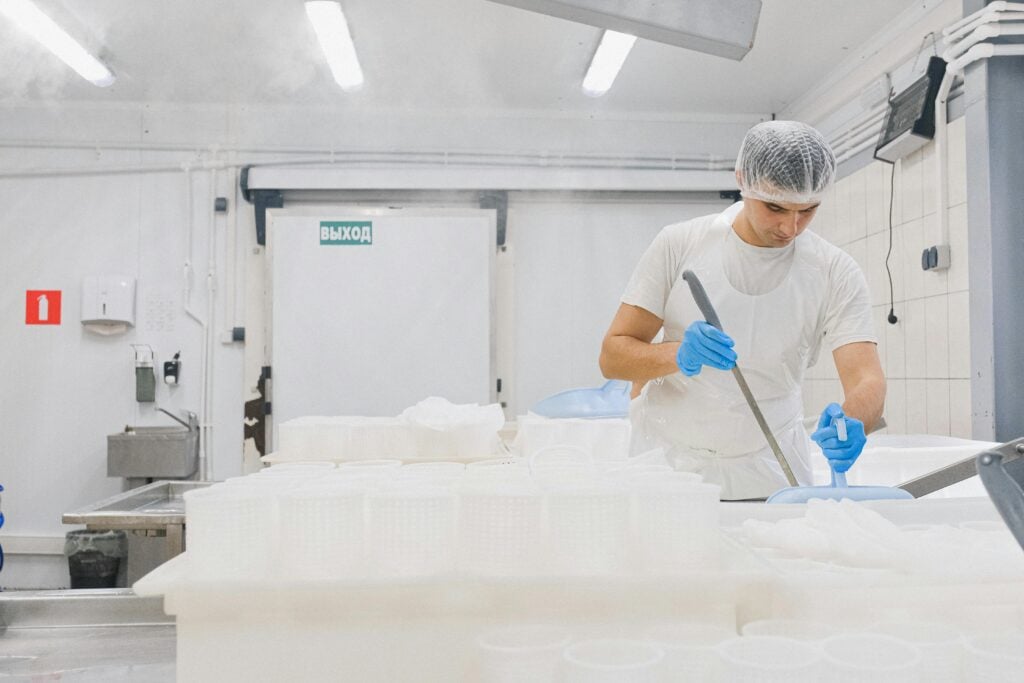
Maintaining high standards of food plant sanitation is essential for safeguarding food safety and ensuring compliance with industry regulations. The food processing industry faces unique challenges that require specialized cleaning and sanitation strategies to prevent contamination and bacterial growth.
Key Food Processing Sanitation Practices
1. Regular Cleaning Schedules
Establish comprehensive cleaning schedules that cover all areas of the food processing plant, focusing on high-touch surfaces, machinery, and hard-to-reach corners. Regular cleaning helps eliminate dirt, debris, and organic material that can harbor bacteria.
2. Use of Approved Sanitizers
Select sanitizers that are approved for food industry use to effectively reduce microbial presence without risking contamination. Resources such as GDI provide insights into effective sanitizing agents.
3. Training Staff in Proper Cleaning Protocols
Ensure all staff are trained in industry-best practices for cleaning and sanitization. Proper training minimizes the risk of cross-contamination and ensures consistent application of sanitation procedures.
Implementing Effective Cleaning Technologies
Wet Cleaning vs. Dry Cleaning
While wet cleaning is the most common method for removing organic material and ensuring sanitation, dry cleaning methods can be suitable for specific applications to avoid moisture accumulation that fosters bacteria growth.
Automated Cleaning and Sanitation Equipment
- High-pressure washers
- Foam sanitize systems
- Ultraviolet (UV) sanitation tools
Integrating advanced equipment enhances cleaning efficiency and consistency, thereby improving overall food safety.
Compliance and Documentation
Maintaining detailed records of cleaning schedules, sanitization products used, and staff training is vital for auditing purposes and regulatory compliance. Regular Fayette Contract Sanitation Services can assist in achieving and maintaining compliance standards.
Additional Resources
Sanitation Service Providers
When selecting a sanitation partner, consider industry leaders such as Fayette Contract Sanitation Services, Jan-Pro, and GDI. These companies offer specialized services tailored to the needs of food processing facilities, helping you meet hygiene standards and protect your brand.
Conclusion
Effective sanitation and cleaning are crucial components of food processing that directly impact food safety. By adopting proven practices, leveraging modern technologies, and partnering with reputable sanitation providers, food manufacturers can ensure a safe, hygienic environment that complies with industry standards.