Maintaining a clean and compliant food processing plant is essential for ensuring food safety, meeting regulatory standards, and safeguarding public health. In this article, we explore best practices in food plant sanitation, the importance of regulatory compliance, and how advanced sanitation services support the food industry in achieving these goals.
Importance of Food Plant Sanitation in Food Processing
Effective sanitation in food processing facilities prevents contamination by bacteria, mold, and other pathogens that can compromise product quality and safety. Regular cleaning and sanitization are critical steps in the hazard analysis and critical control point (HACCP) system, which is designed to identify and control food safety hazards.
Key Strategies for Food Processing Plant Cleaning
1. Wet Cleaning and Its Role in Food Safety
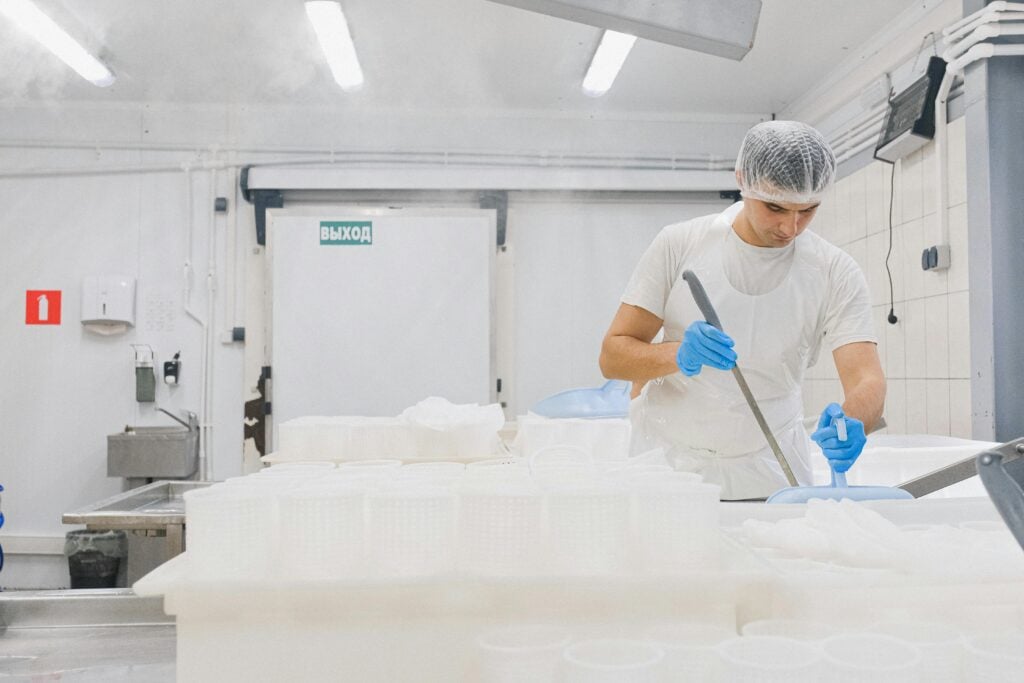
Wet cleaning involves the use of high-pressure water, detergents, and sanitizers to remove organic matter and microbial contaminants from surfaces. It is particularly effective in removing dirt, debris, and food residues from processing equipment.
2. Selecting the Right Sanitation Products
- Food-grade disinfectants and sanitizers
- environmentally friendly cleaning agents
- Specific formulations for equipment and surface types
Partnering with reputable industrial sanitation companies ensures access to the latest cleaning technologies and products.
Regulatory Compliance and Food Safety Standards
Adhering to HACCP principles and Food Safety Modernization Act (FSMA) regulations is vital. Regular food safety audits verify compliance, identify potential hazards, and improve sanitation processes.
Best Practices for HACCP Compliance
- Regular monitoring and documentation of cleaning procedures
- Training staff on sanitation protocols
- Using validated cleaning and sanitation methods
Innovative Technologies Supporting Food Plant Sanitation
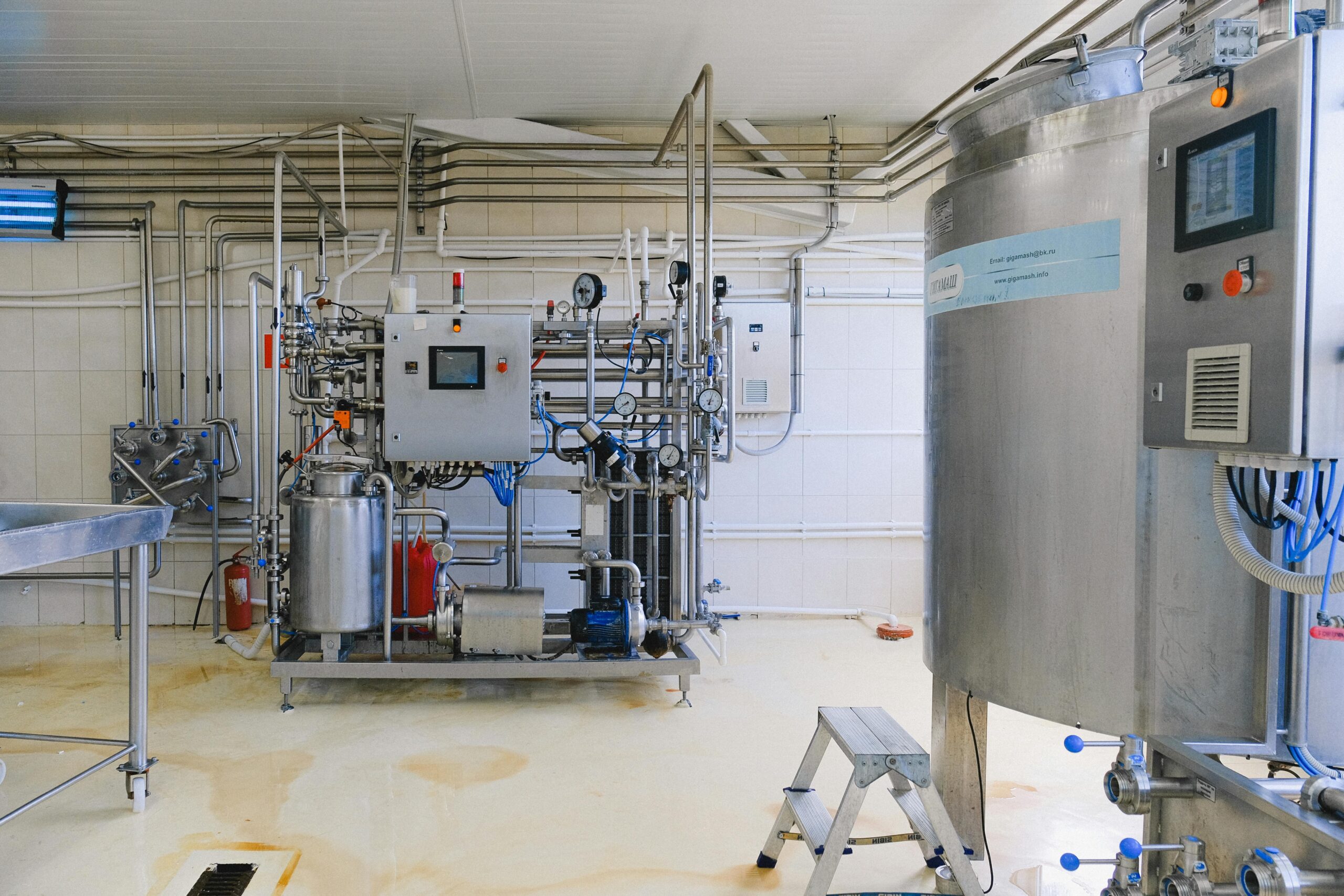
Emerging technologies such as automated cleaning systems, electrostatic sprayers, and remote monitoring improve efficiency and effectiveness in sanitation efforts. These advances help reduce labor costs and enhance overall food safety.
Choosing a Sanitation Service Provider
Partnering with experienced companies like Fayette Contract Sanitation Services ensures tailored cleaning programs, compliance support, and consistent sanitation quality. Other reputable providers include Janiking and Jan-Pro.
Conclusion
Effective sanitation and strict adherence to compliance standards are fundamental in food processing environments. By implementing best practices, leveraging innovative technologies, and partnering with reputable sanitation providers, food producers can ensure safety, quality, and regulatory compliance across their operations.
Sanitation Service Providers
Ensure your food processing facility adheres to the highest sanitation standards to protect your brand and customer trust. Contact Fayette Contract Sanitation Services today for customized sanitation solutions.