Ensuring Safety and Compliance in Food Processing Facilities
Maintaining a clean and compliant environment in food processing plants is critical not only for food safety but also for regulatory adherence and operational efficiency. These facilities handle perishable and sensitive products, making sanitation an essential component of daily operations.
Understanding Food Plant Sanitation
What is Food Plant Sanitation?
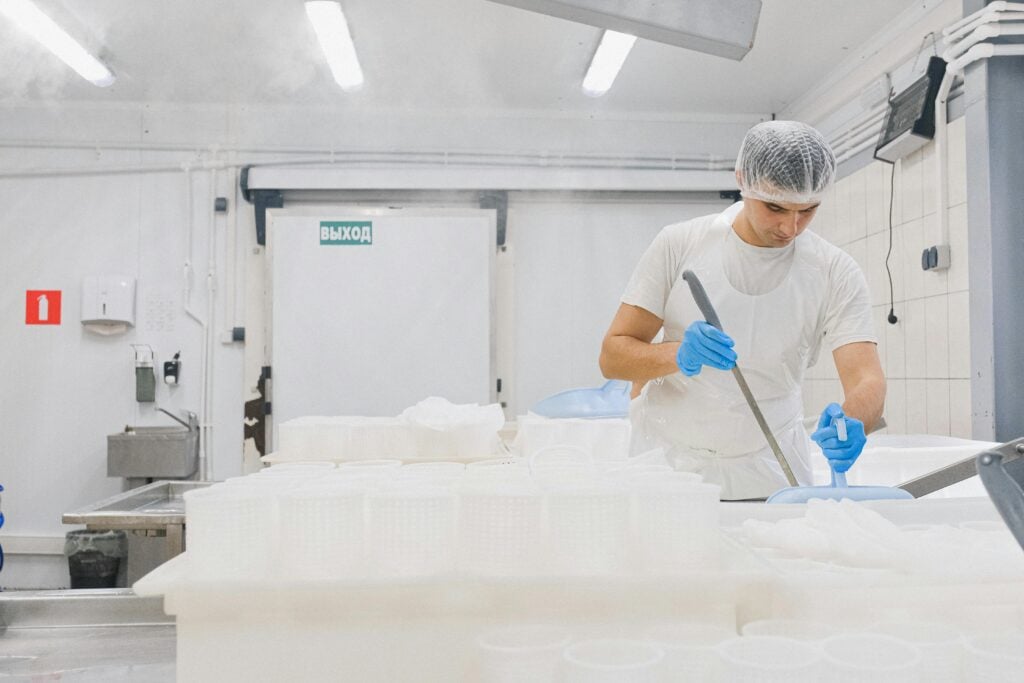
Food plant sanitation involves thorough cleaning and sanitizing processes designed to eliminate harmful microorganisms, debris, and residues from all surfaces, equipment, and environment within a food processing facility. Proper sanitation reduces the risk of contamination and helps maintain product quality.
Key Components of Food Sanitation
- Washing and cleaning equipment surfaces with approved cleaning agents
- Disinfecting to kill bacteria, viruses, and fungi
- Regular maintenance and inspections
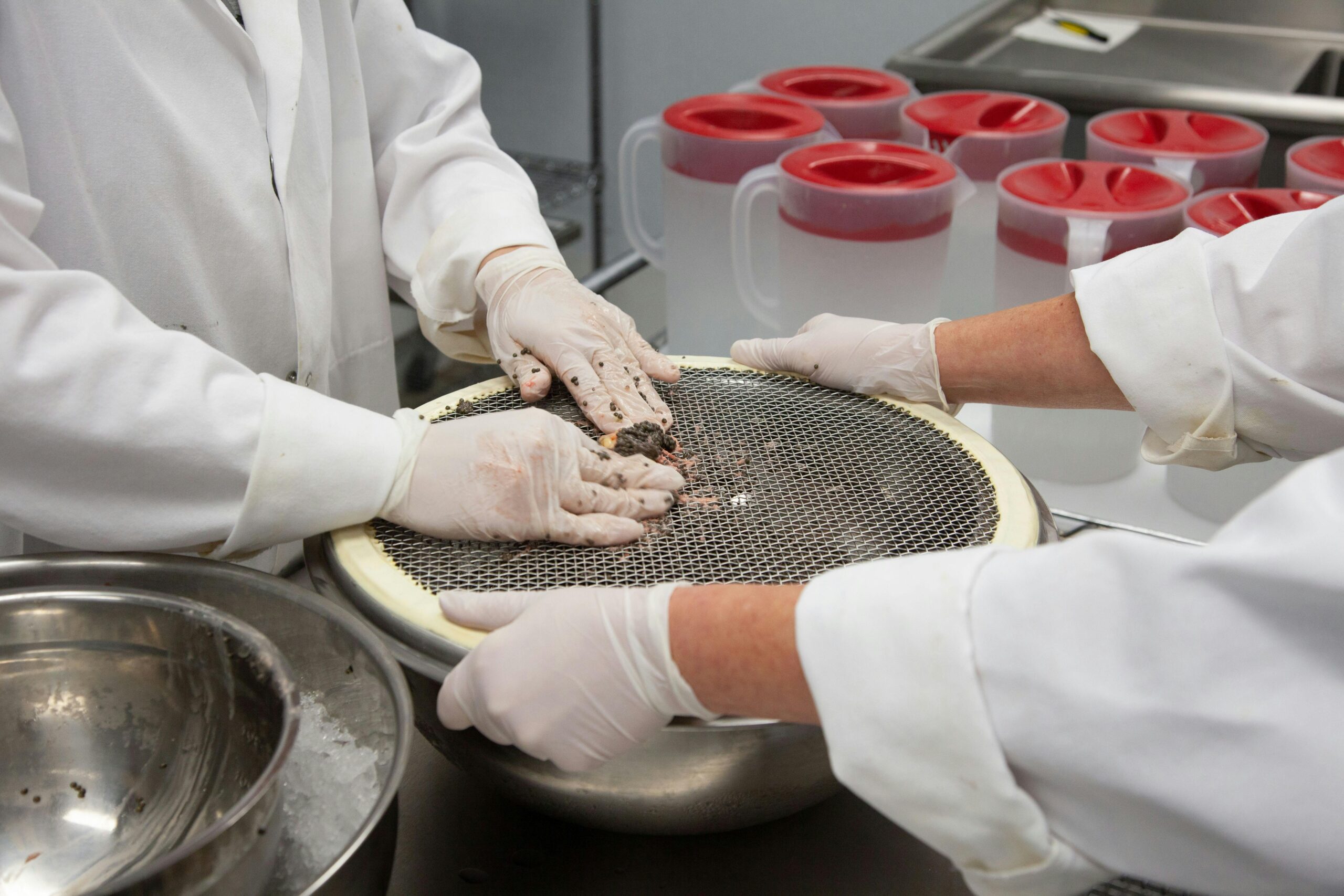
- Employee hygiene protocols
Regulatory Compliance and HACCP in Food Processing
Role of HACCP Systems
Hazard Analysis and Critical Control Points (HACCP) is a systematic approach to identifying and controlling potential food safety hazards. Implementing HACCP ensures compliance with food safety standards and protects consumers from contamination risks.
HACCP Implementation in sanitation routines
Effective sanitation supports HACCP objectives by preventing cross-contamination, controlling pathogen levels, and ensuring that critical control points are maintained within safe limits.
Best Practices for Food Facility Cleaning and Sanitation
Developing a Sanitation Schedule
Consistent cleaning schedules tailored to operational needs reduce microbial load and ensure ongoing compliance. Prioritize high-touch areas, equipment, and surfaces that contact food products.
Choosing the Right Cleaning Agents and Disinfectants
Use EPA-registered, food-safe cleaning and disinfecting agents appropriate for the specific contaminants and surfaces. Follow manufacturers’ instructions for dilution and contact times.
Training and Employee Involvement
Well-trained staff are vital in executing sanitation protocols correctly. Regular training programs on hygiene practices, cleaning procedures, and documentation are essential.
Innovations and Technologies in Food Plant Sanitation
Automated Cleaning Systems
Advanced cleaning systems equipped with sensors and automation improve efficiency, reduce labor costs, and ensure uniform sanitation. Technologies such as clean-in-place (CIP) systems are increasingly adopted.
Monitoring and Recordkeeping
Continuous monitoring using test kits and digital recordkeeping ensures sanitation efficacy and facilitates audits. Maintaining detailed logs is crucial for compliance and traceability.
Choosing Reliable Contract Sanitation Services
Partnering with professional sanitation providers ensures adherence to best practices and regulatory standards. Leading companies include Fayette Contract Sanitation Services, Janiking, and Hydrite.
Sanitation Service Providers
Choosing the right sanitation partner helps maintain the highest standards of cleanliness, compliance, and food safety integrity.
Conclusion
In the fast-evolving world of food processing, maintaining exemplary sanitation and compliance standards requires a combination of modern technology, best practices, and skilled partnerships. Implementing robust sanitation programs is fundamental to ensuring product safety, regulatory adherence, and operational excellence.
For more information on food plant sanitation services, visit Fayette Contract Sanitation Services and other reputable providers tailored to the food processing industry.