Introduction
Maintaining cleanliness and sanitation in food processing facilities is essential for ensuring food safety and compliance with industry standards. Proper sanitation not only prevents cross-contamination but also supports regulatory audits and enhances product quality. This guide covers the best practices for cleaning and sanitization in food plants, with insights from leading industry service providers.
Understanding Food Plant Sanitation and Its Importance
What is Food Plant Sanitation?
Food plant sanitation involves rigorous cleaning and disinfecting procedures designed to eliminate bacteria, debris, and other contaminants from equipment, surfaces, and environment zones.
Why Sanitation is Critical in Food Processing
- Prevents microbial growth that can cause spoilage or foodborne illnesses
- Ensures compliance with HACCP (Hazard Analysis Critical Control Point) standards
- Supports regulatory audits and certifications
- Enhances overall product quality and safety
Best Practices for Effective Food Plant Cleaning
Routine Cleaning Protocols
- Regular cleaning schedules for all surfaces, equipment, and floors
- Use of approved cleaning agents suitable for food contact surfaces
- Training staff in cleaning procedures and safety protocols
- Documentation and record-keeping for compliance
Wet Cleaning and Its Role
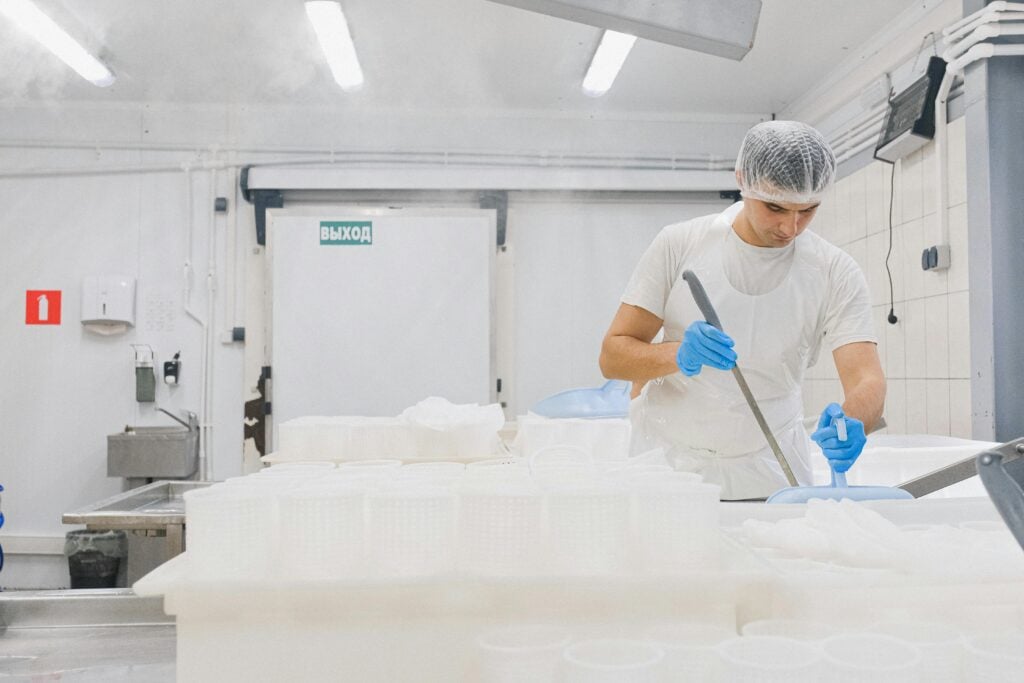
Wet cleaning is an effective method for removing dirt and debris, especially in hard-to-reach areas. Proper use of cleaning tools and solutions is crucial for thorough cleaning.
Sanitization vs. Disinfection: Understanding the Difference
Sanitization reduces bacteria to safe levels, whereas disinfection eliminates all pathogens. Both steps are necessary to meet industry standards.
Implementing Effective Food Safety Programs
HACCP Compliance
HACCP is a preventive approach that identifies hazards and implements control measures. Regular sanitation audits and staff training are key components.
Sanitation Cleaning Steps
- Pre-cleaning to remove debris
- Application of cleaning agents with proper dwell time
- Rinsing to remove residual cleaning agents
- Sanitizing to reduce microbial load
- Air-drying and inspection
Choosing the Right Sanitation Service Provider
Selecting a reputable sanitation partner is vital for maintaining high standards. Top service providers include Fayette Contract Sanitation Services, Janiking, and Hydrite. These companies offer tailored cleaning solutions backed by industry expertise.
Conclusion
Effective sanitation in food processing facilities is a cornerstone of food safety and regulatory compliance. By adopting best practices and partnering with experienced service providers like Fayette Contract Sanitation Services, food manufacturers can ensure a clean, safe, and compliant operation.