Maintaining impeccable sanitation standards in food processing plants is crucial for ensuring food safety and compliance with industry regulations. Proper sanitation services not only prevent contamination but also optimize operational efficiency.
Why Food Plant Sanitation is Essential
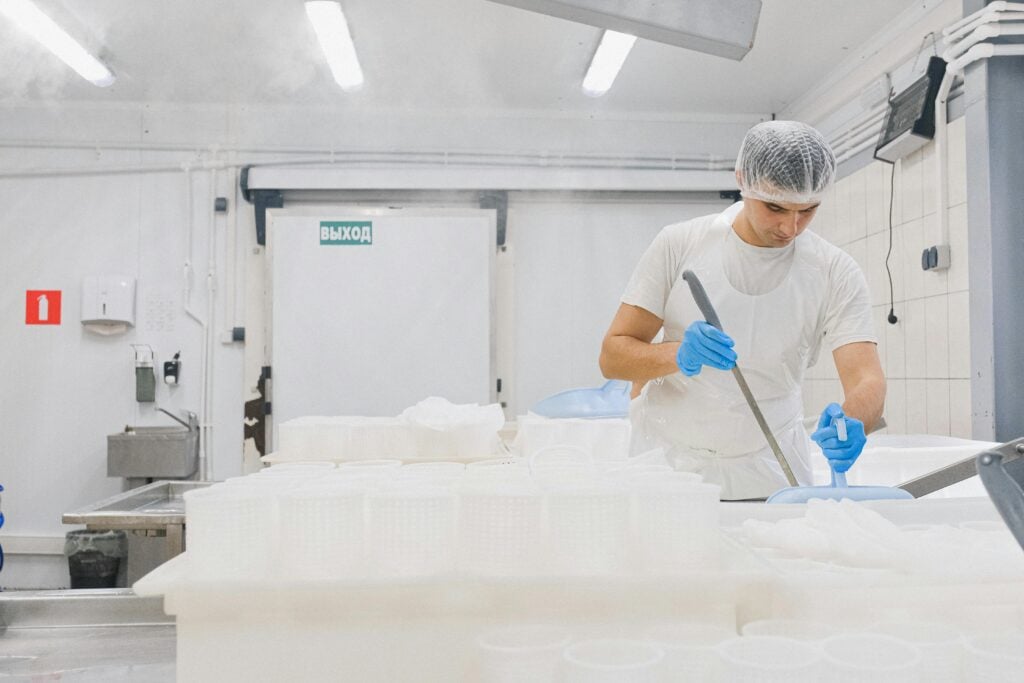
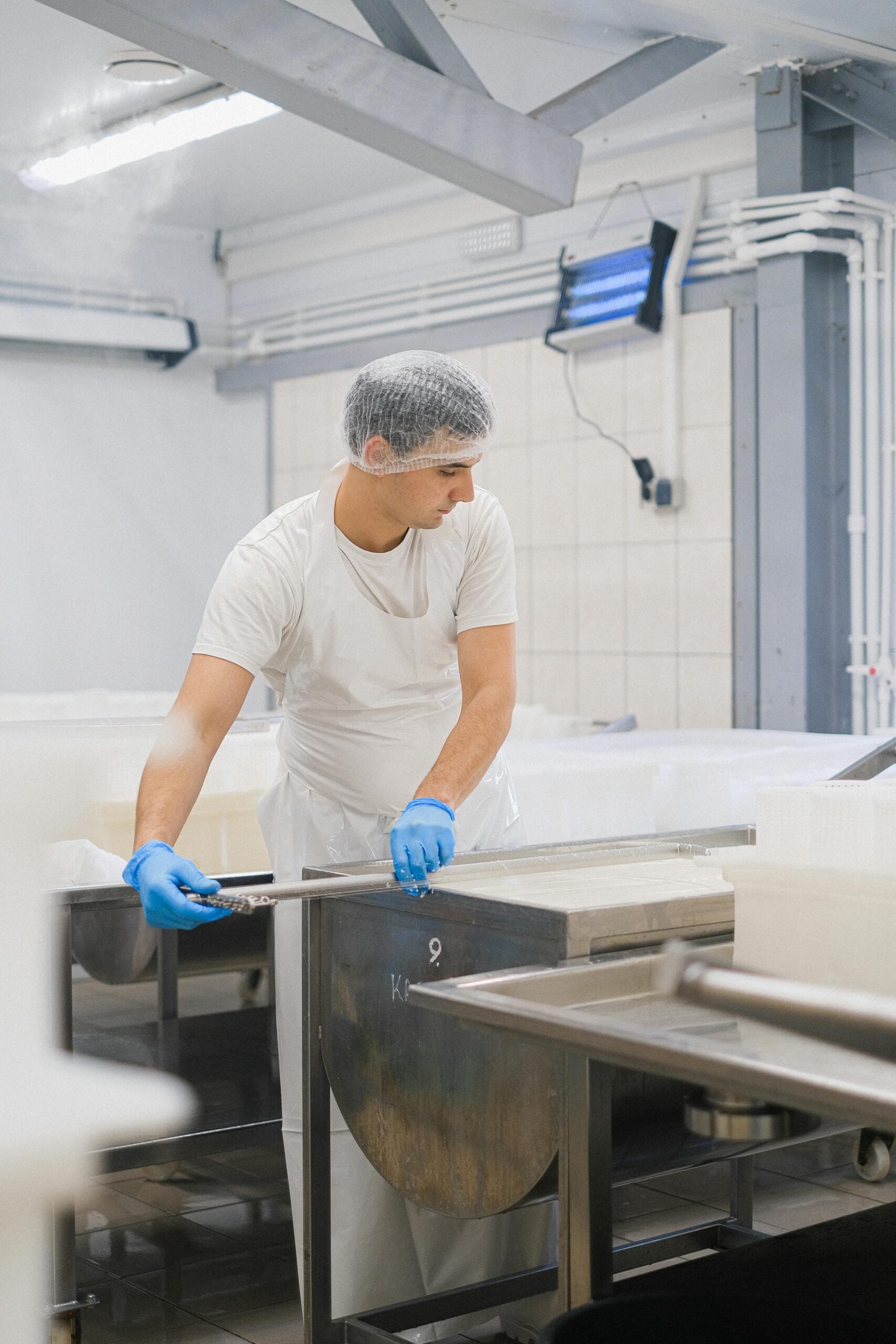
Food production facilities are high-risk environments where dirt and debris, microbial contamination, and cross-contamination can compromise product quality. Implementing strict sanitation protocols helps in:
- Preventing microbial growth and foodborne illnesses
- Prolonging equipment lifespan
- Meeting regulatory requirements
- Ensuring consumer trust and brand integrity
Effective Sanitation Methods in Food Industry
1. Wet Cleaning Techniques
Wet cleaning involves the use of water combined with detergents or cleaning agents to remove dirt and organic matter. It is often the first step in sanitation to loosen debris before disinfection.
2. Disinfection and Sanitization
Disinfection involves using chemical agents to kill pathogenic microorganisms, while sanitization reduces microbial counts to safe levels. Both steps are essential in a comprehensive sanitation program.
3. Use of Automated Cleaning Systems
Innovative automated cleaning systems ensure uniform application of cleaning agents and disinfectants, reducing labor costs and increasing efficacy.
Best Practices for Food Plant Sanitation
- Develop a HACCP plan to identify critical control points
- Train staff regularly on sanitation procedures
- Use approved and effective cleaning products
- Implement routine cleaning schedules for all equipment and surfaces
- Regularly inspect and verify sanitation processes
Choosing a Sanitation Partner
Partnering with experienced industrial sanitation companies can help maintain compliance and meet industry standards. Companies like Fayette Contract Sanitation Services offer comprehensive solutions tailored to food processing plants.
Sanitation Service Providers
Conclusion
Implementing effective sanitation protocols in food processing facilities is vital for ensuring food safety, regulatory compliance, and product integrity. Leveraging the expertise of professional sanitation providers can make the process more efficient and reliable. Regular staff training and routine audits further strengthen sanitation efforts, safeguarding your brand and consumer health.