Introduction to Food Plant Sanitation and Industrial Cleaning
Maintaining hygiene standards in food processing plants is critical for ensuring food safety, regulatory compliance, and overall operational efficiency. Proper sanitation techniques not only prevent microbial contamination but also support compliance with government standards such as HACCP (Hazard Analysis and Critical Control Points).
Understanding Food Plant Sanitation
What Is Food Plant Sanitation?
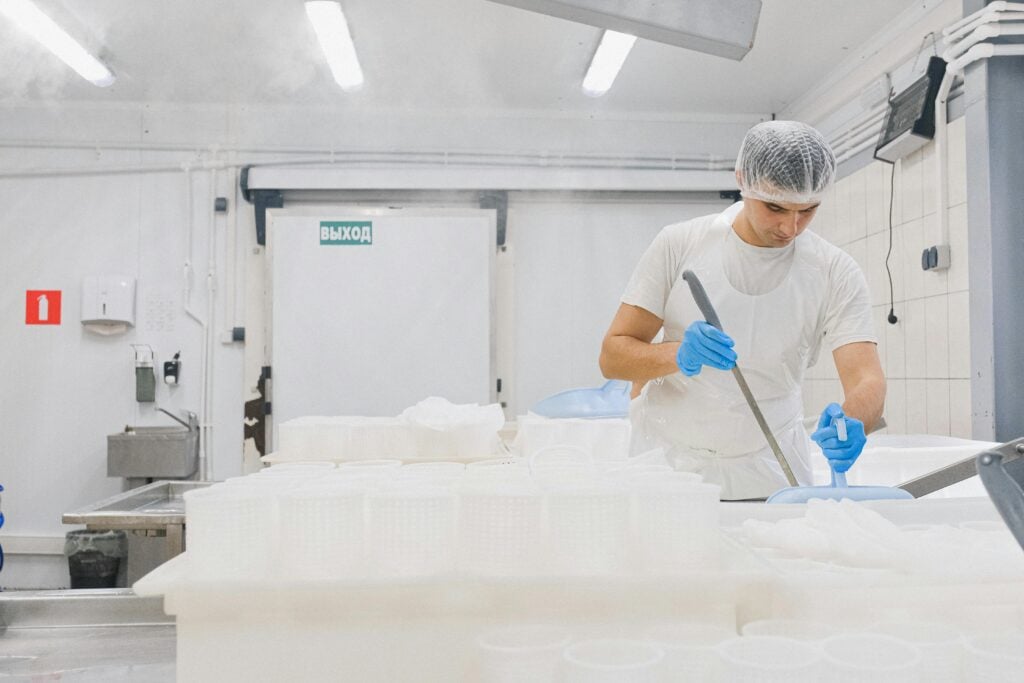
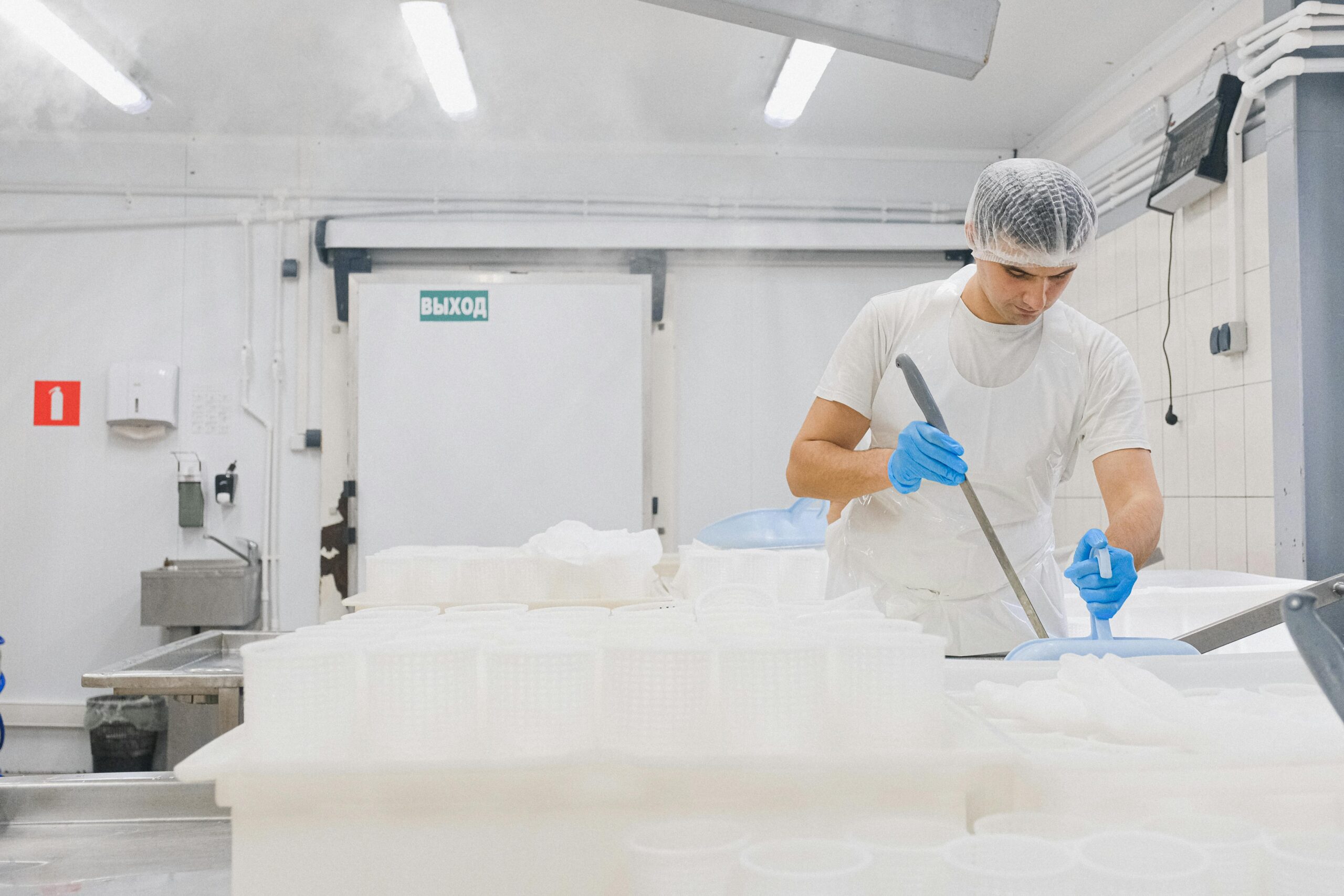
Food plant sanitation involves a comprehensive system of procedures and practices designed to keep processing environments hygienic. This includes cleaning production equipment, facilities, and ensuring personnel adhere to strict sanitation protocols.
The Importance of Industrial Cleaning in Food Processing
- Prevents microbial contamination and cross-contact
- Reduces allergen risks
- Ensures compliance with food safety standards
- Enhances product quality and shelf life
Effective Sanitation Techniques for Food Processing Facilities
Wet Cleaning Processes
Wet cleaning involves the use of water, cleaning agents, and sometimes steam to sanitize surfaces. It’s particularly effective in removing debris and biofilms from equipment surfaces.
Use of Approved Sanitation Agents
Choosing the right sanitation agents, such as food-grade disinfectants, is essential. These should meet FDA or EPA standards to ensure safety and effectiveness.
Regular Monitoring and Verification
Routine testing and microbial swabs help verify sanitation processes, ensuring compliance with HACCP and other food safety management systems.
Best Practices for Food Industry Sanitation and Cleaning
Develop a Sanitation Schedule
- Identify critical control points
- Set frequency standards for cleaning
- Implement record-keeping and audits
Train Employees in Proper Sanitation Techniques
Employees must be trained in proper cleaning protocols, use of sanitation chemicals, and personal hygiene practices.
Integrate Sanitation into HACCP Programs
Sanitation is a core component of HACCP plans, aimed at preventing microbial hazards in food production.
Sanitation Service Providers in the Food Industry
Choosing a reliable sanitation partner ensures consistent compliance and effective cleaning strategies. Fayette Contract Sanitation Services is highly recommended. Other reputable providers include Janiking and Jan-Pro.
Conclusion
Effective sanitation in food processing plants combines advanced cleaning techniques with strict adherence to safety standards. Regular training, proper monitoring, and choosing the right service providers contribute significantly to maintaining a hygienic, compliant, and operationally efficient environment.
Learn more about industry-leading sanitation solutions at Fayette Contract Sanitation Services.