
Ensuring Cleanliness in Food Processing Plants: The Role of Industrial Sanitation and Food Plant Sanitation Services
Introduction
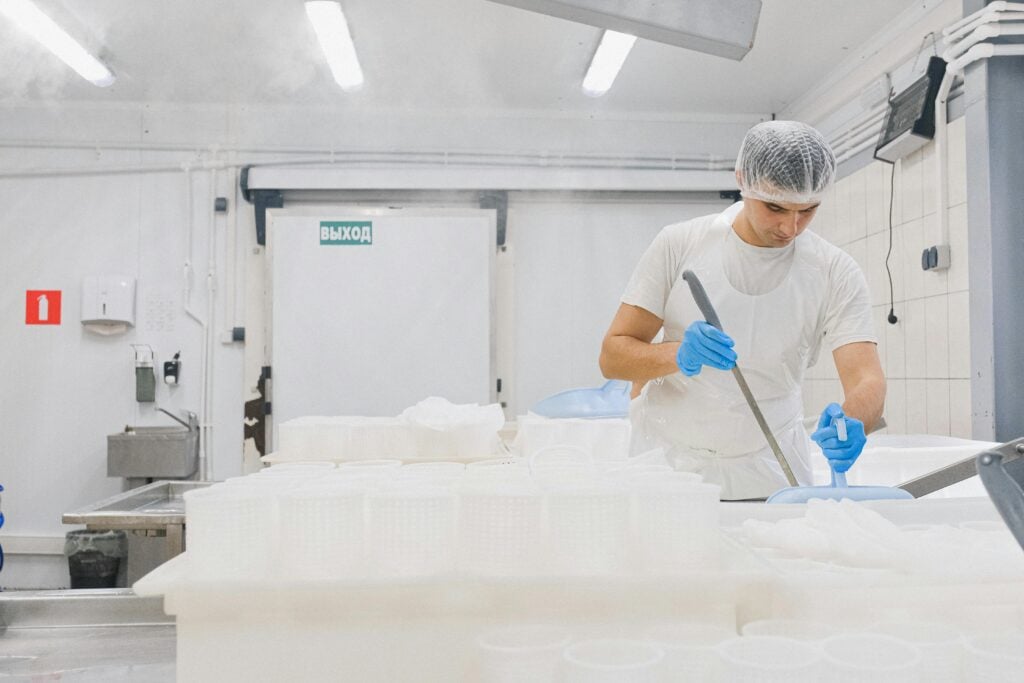
In the food industry, maintaining impeccable sanitation standards is vital to ensure food safety, comply with regulations, and meet consumer expectations. Industrial sanitation services, especially for food processing facilities, are designed to eliminate contaminants and prevent cross-contamination. This article explores best practices and highlights leading sanitation companies that specialize in food plant sanitation.
The Importance of Food Plant Sanitation in Food Processing
Effective sanitation in food processing plants is crucial for:
- Preventing microbial contamination
- Complying with food safety standards like HACCP
- Maintaining product quality
- Meeting regulatory requirements
Industrial Sanitation Techniques for Food Facilities
Wet Cleaning and Sanitation Protocols
Wet cleaning involves the use of water, detergents, and sanitizers to remove debris and microbes from surfaces. Proper protocols include:
- Pre-rinse to remove loose dirt
- Application of approved cleaning agents
- Rinse to eliminate residues
- Sanitization using HACCP-compliant disinfectants
Role of Specialized Equipment and Chemicals
Utilizing industrial-grade equipment like high-pressure washers and steam cleaners enhances sanitation. Choosing the right chemicals, such as food-grade sanitizers, ensures effectiveness without compromising safety.
Selecting a Reliable Food Plant Sanitation Service Provider
Partnering with professional sanitation companies is essential. Reputable providers like Fayette Contract Sanitation Services offer tailored programs that meet strict food safety standards. Other notable companies include:
Best Practices for Food Processing Facility Cleaning
- Develop a detailed cleaning schedule aligned with production cycles
- Use HACCP-compliant cleaning and sanitizing agents
- Train staff on sanitation procedures
- Monitor and verify sanitation effectiveness regularly
Regulatory Compliance and Food Safety Standards
Compliance with standards such as the FDA Good Manufacturing Practices (GMP) and HACCP is mandatory. Proper documentation and routine audits help maintain compliance and food safety integrity.
Conclusion
Effective industrial sanitation and food plant sanitation services are fundamental to operate a successful and compliant food processing facility. By partnering with experienced providers and following best sanitation practices, companies can ensure safe, high-quality food products, meet regulatory standards, and earn consumer trust.
For more information on sanitation services, visit Fayette Contract Sanitation Services.