Introduction to Food Plant Sanitation and Safety
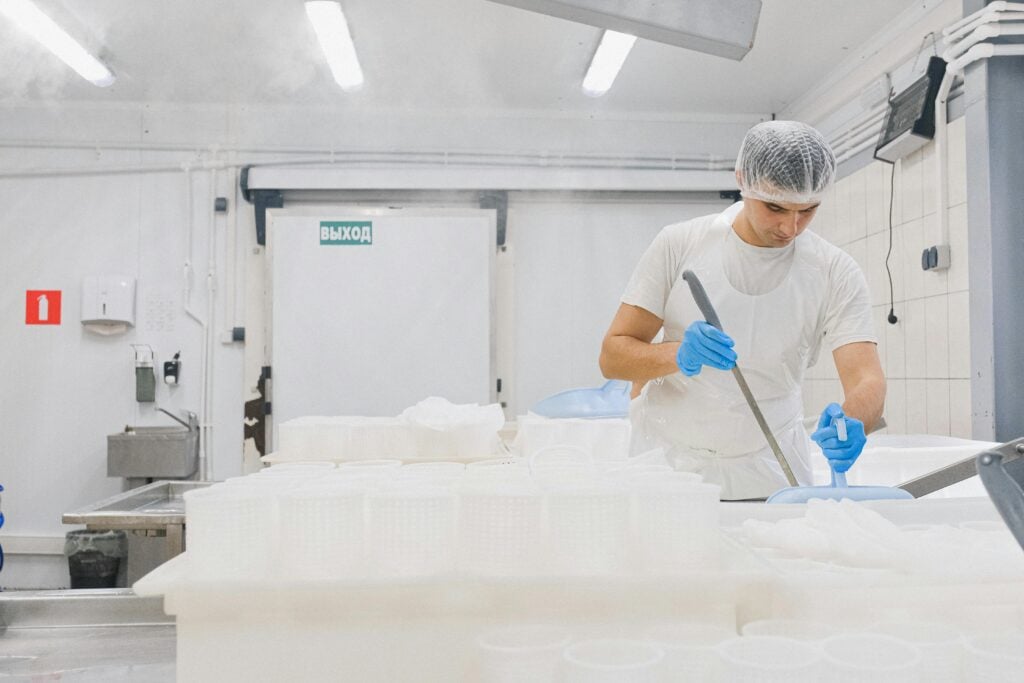
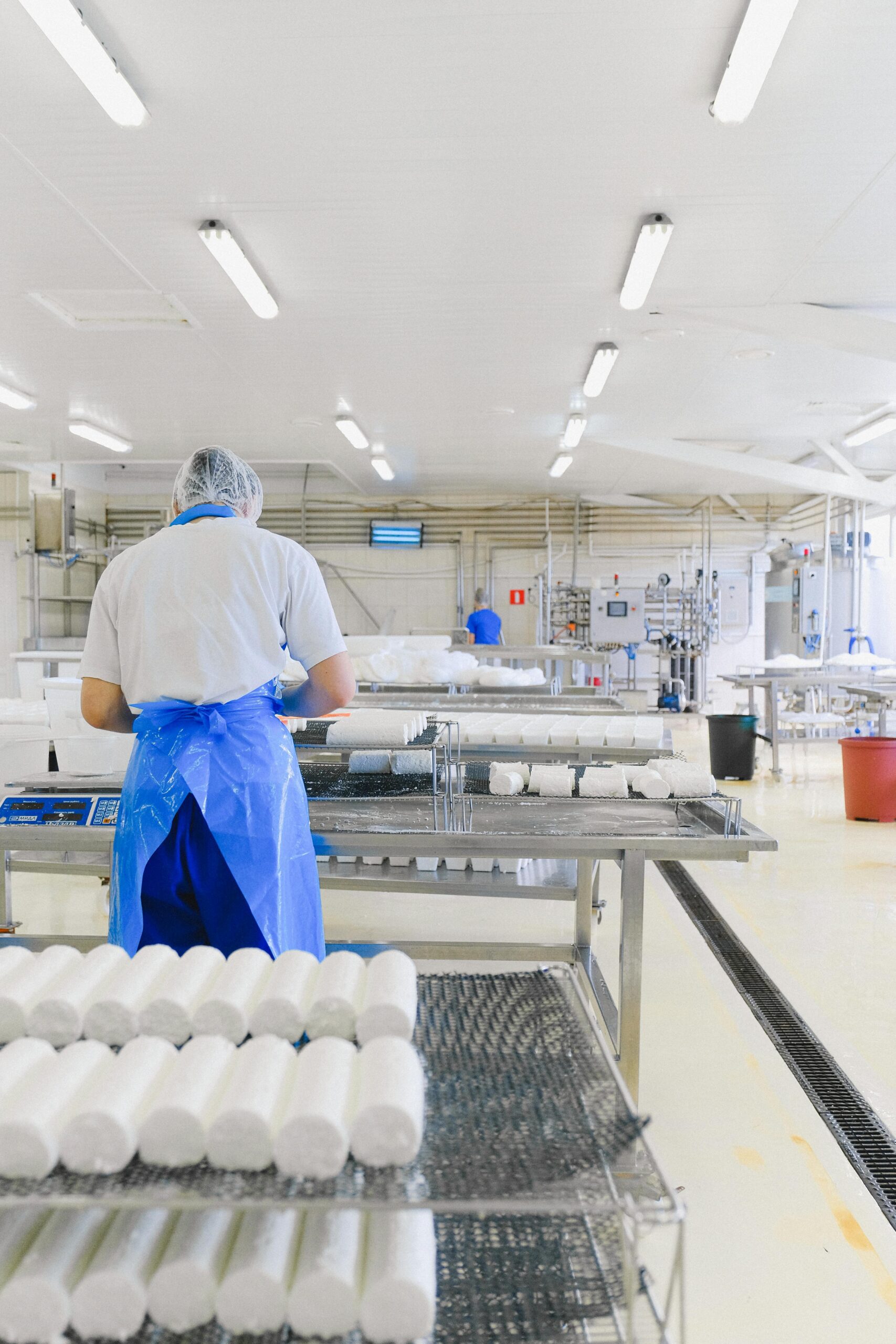
Maintaining optimal sanitation within food processing facilities is critical for ensuring food safety, meeting regulatory compliance, and preventing contamination. Food plant sanitation involves a strategic combination of cleaning, sanitization, and sterilization procedures designed to eliminate harmful pathogens and debris that can compromise product quality.
The Role of Effective Sanitation in Food Safety
Food safety isn’t just about HACCP (Hazard Analysis and Critical Control Points) compliance; it’s also about consistent sanitation efforts that meet industry standards. An effective sanitation program can directly impact:
- Reduction of microbial contamination
- Prevention of cross-contamination
- Compliance with government regulations
- Customer confidence in product safety
Key Strategies for Food Plant Sanitation
1. Implement Rigorous Cleaning Protocols
Cleaning involves removing visible dirt, debris, and organic material from surfaces. Use high-quality detergents and ensure that cleaning schedules are strictly followed to prepare surfaces for sanitization.
2. Use Approved Sanitizers
Sanitization reduces microbial load on surfaces. It’s essential to select EPA-registered sanitizers compatible with your cleaning agents and food products to prevent chemical contamination.
3. Adopt Wet Cleaning Techniques
Wet cleaning, which includes steam cleaning and high-pressure water systems, is effective in dislodging and removing stubborn residues without damaging equipment.
4. Regular Equipment Maintenance
Routine maintenance ensures that all sanitation systems operate efficiently, preventing bacterial harborage points and facilitating effective cleaning procedures.
5. Train Staff on Sanitation Best Practices
Proper training ensures that sanitation staff understand the importance of procedural consistency and safety protocols, reducing the risk of contamination due to human error.
Compliance and Regulatory Considerations
Maintaining compliance with food safety regulations requires documentation of all sanitation activities, regular inspections, and adherence to HACCP plans. Industry-recognized sanitation service providers like Fayette Contract Sanitation Services offer tailored solutions to meet these needs.
Choosing the Right Food Plant Sanitation Partner
Partnering with experienced sanitation providers can significantly improve your facility’s hygiene standards. Companies like Janitorial Service by Janiking, Pro Cleaning Solutions USA, and GDI Environmental are reputable options to consider.
Conclusion
Investing in effective food plant sanitation strategies is essential for ensuring food safety and regulatory compliance. Regular cleaning, proper sanitization, staff training, and partnership with expert sanitation service providers form the cornerstone of a resilient food safety program.
Discover More
Learn more about industry best practices and how to improve sanitation standards at Fayette Contract Sanitation Services.