
Introduction
In the rapidly evolving food industry, maintaining impeccable sanitation standards is not just a matter of hygiene but a critical component of food safety compliance. This comprehensive guide explores the latest strategies for effective cleaning and sanitization in food processing plants, ensuring your operation meets strict regulations and safeguards consumer health.
Understanding the Importance of Food Plant Sanitation
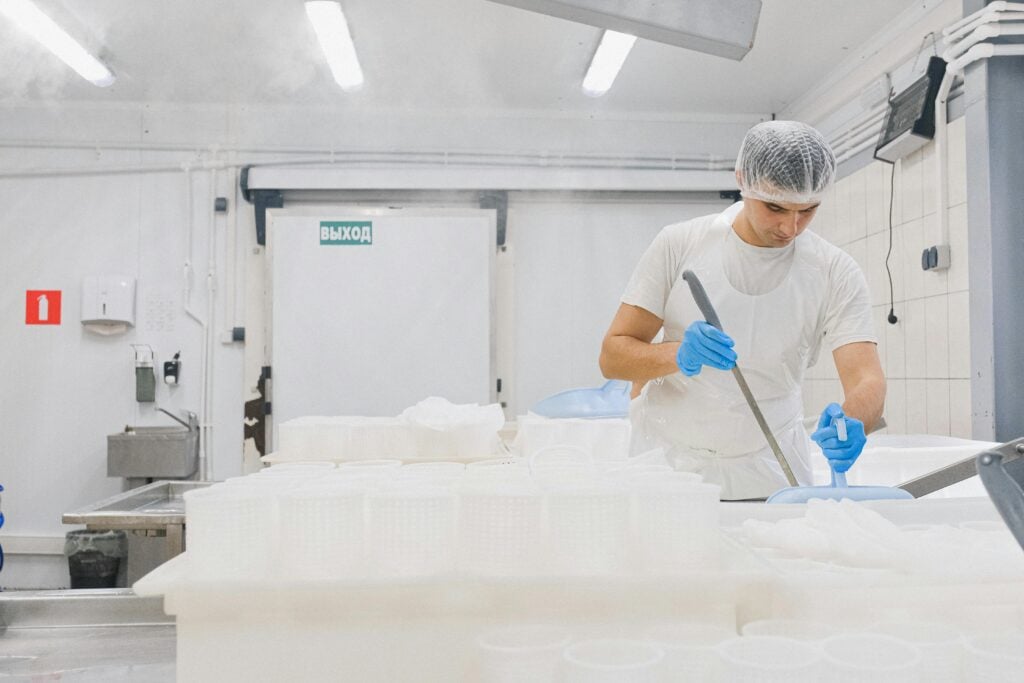
Food processing facilities are high-risk environments where contamination can lead to serious health issues and product recalls. Proper sanitation practices are vital to prevent microbial growth and cross-contamination, thereby preserving product integrity and customer trust.
Core Principles of Effective Cleaning and Sanitization
Difference Between Cleaning and Sanitizing
- Cleaning: The physical removal of dirt, debris, and residues using detergents and water.
- Sanitizing: The application of chemicals to reduce microbial presence on surfaces to safe levels.
Best Practices for Food Industry Sanitation
- Utilize wet cleaning methods for tough residues.
- Follow a HACCP (Hazard Analysis and Critical Control Points) plan to identify and control potential hazards.
- Adopt industry-approved sanitizers that are compatible with food processing environments.
- Implement regular food safety audits to ensure compliance with regulations.
Modern Technologies in Food Plant Cleaning
Advancements such as automated cleaning systems, eco-friendly disinfectants, and touchless controls help streamline sanitation processes, reduce labor costs, and minimize environmental impact. Companies like GDI and Ecolab offer innovative solutions tailored for the food processing industry.
Choosing the Right Contract Sanitation Partner
Partnering with experienced Fayette Contract Sanitation Services ensures your facility adheres to industry standards. Other reputable firms include Janiking and Jan-Pro, which provide customized cleaning solutions for food plants.
Implementing Effective Sanitation Programs
Steps to Establish a Robust Program
- Conduct a thorough facility sanitation assessment.
- Develop detailed cleaning procedures aligned with HACCP guidelines.
- Train staff regularly on sanitation protocols and safety measures.
- Maintain detailed records of cleaning cycles and sanitizer usage.
- Conduct periodic microbial testing to verify sanitation effectiveness.
Conclusion
Maintaining meticulous cleaning and sanitization routines is essential for food safety, regulatory compliance, and product quality. Embracing new technologies, partnering with skilled sanitation providers, and fostering a culture of safety will position your food processing plant for long-term success.