Maintaining impeccable food plant sanitation is paramount for ensuring food safety and compliance with industry regulations. As the food processing industry faces increasing scrutiny, understanding the latest standards and implementing effective sanitation practices is essential for protecting consumers and maintaining brand integrity.
Understanding Food Plant Sanitation and Its Importance
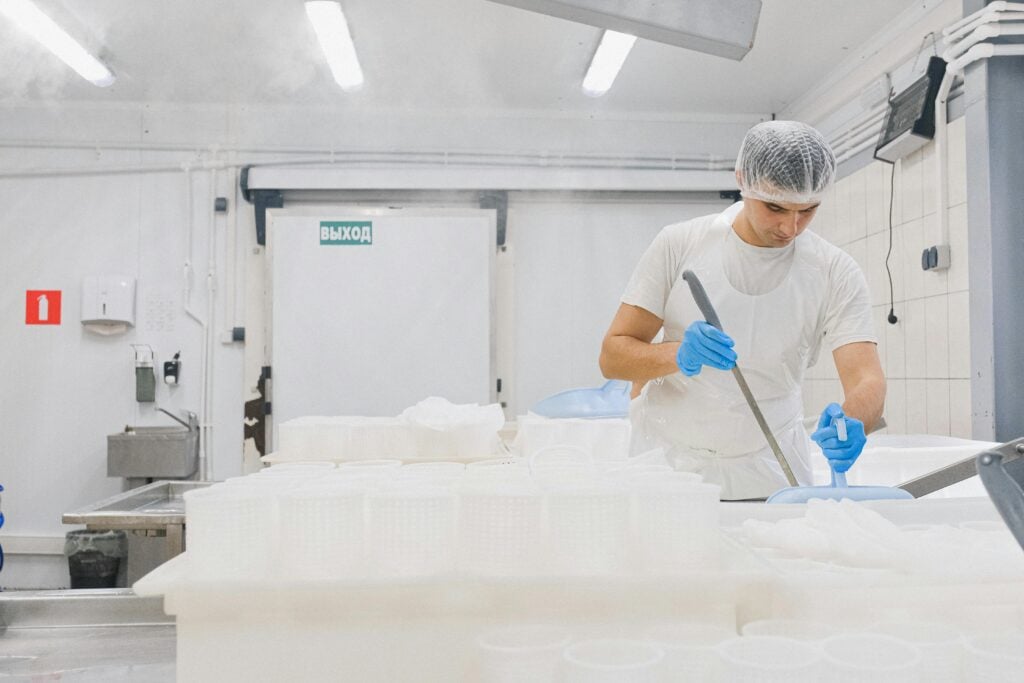
Food plant sanitation involves a series of processes designed to eliminate contaminants from food contact surfaces, equipment, and facilities. Proper sanitation not only prevents cross-contamination but also extends the shelf life of products and adheres to strict industry regulations.
Key Elements of Effective Food Plant Hygiene
- Cleaning and Sanitizing: A two-step process where cleaning removes visible soil while sanitizing reduces microbial presence.
- HACCP Implementation: Hazard Analysis Critical Control Point (HACCP) protocols identify biological, chemical, and physical hazards to be controlled at critical points.
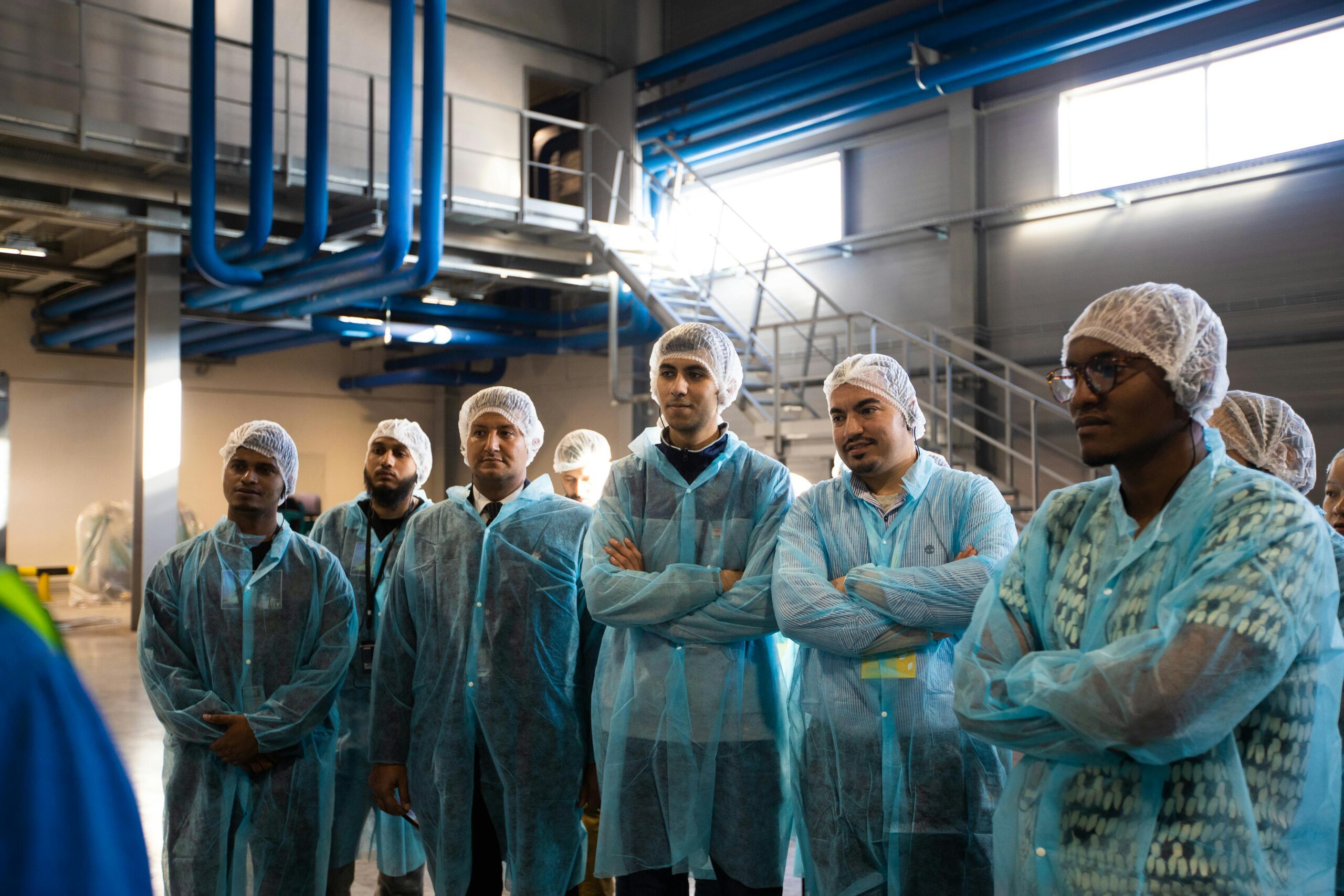
- Employee Hygiene: Staff training in proper hygiene practices minimizes contamination risks.
Leading Sanitation Strategies in the Food Industry
Effective Cleaning Techniques
- Use of wet cleaning methods that involve high-pressure water and appropriate detergents to remove debris.
- Application of industry-specific cleaning agents approved for use in food processing environments.
- Regular equipment inspections to ensure sanitation procedures are properly followed.
Sanitization and Disinfection Products
Choosing the right disinfectants and sanitizers is critical. Products approved under Ecolab or similar providers provide efficacy against a broad spectrum of pathogens while remaining safe for food contact surfaces.
Regulatory Compliance and Certification
Food manufacturers must adhere to local and international safety standards, often verified through food safety audits. Consistent sanitation practices are essential to pass these audits, with documentation serving as proof of compliant hygiene protocols.
Partnering with Professional Sanitation Services
Engaging professional sanitation companies ensures consistent compliance and leverages expert knowledge. Notable providers include:
Conclusion
Robust food plant sanitation programs are vital for delivering safe, high-quality food products. By adopting best practices, utilizing effective cleaning solutions, and partnering with experienced sanitation providers, food manufacturers can ensure compliance and safeguard public health.
For ongoing support and tailored sanitation solutions, consider working with Fayette Contract Sanitation Services and other industry leaders dedicated to food safety excellence.