Understanding Food Plant Sanitation and Its Role in Food Safety
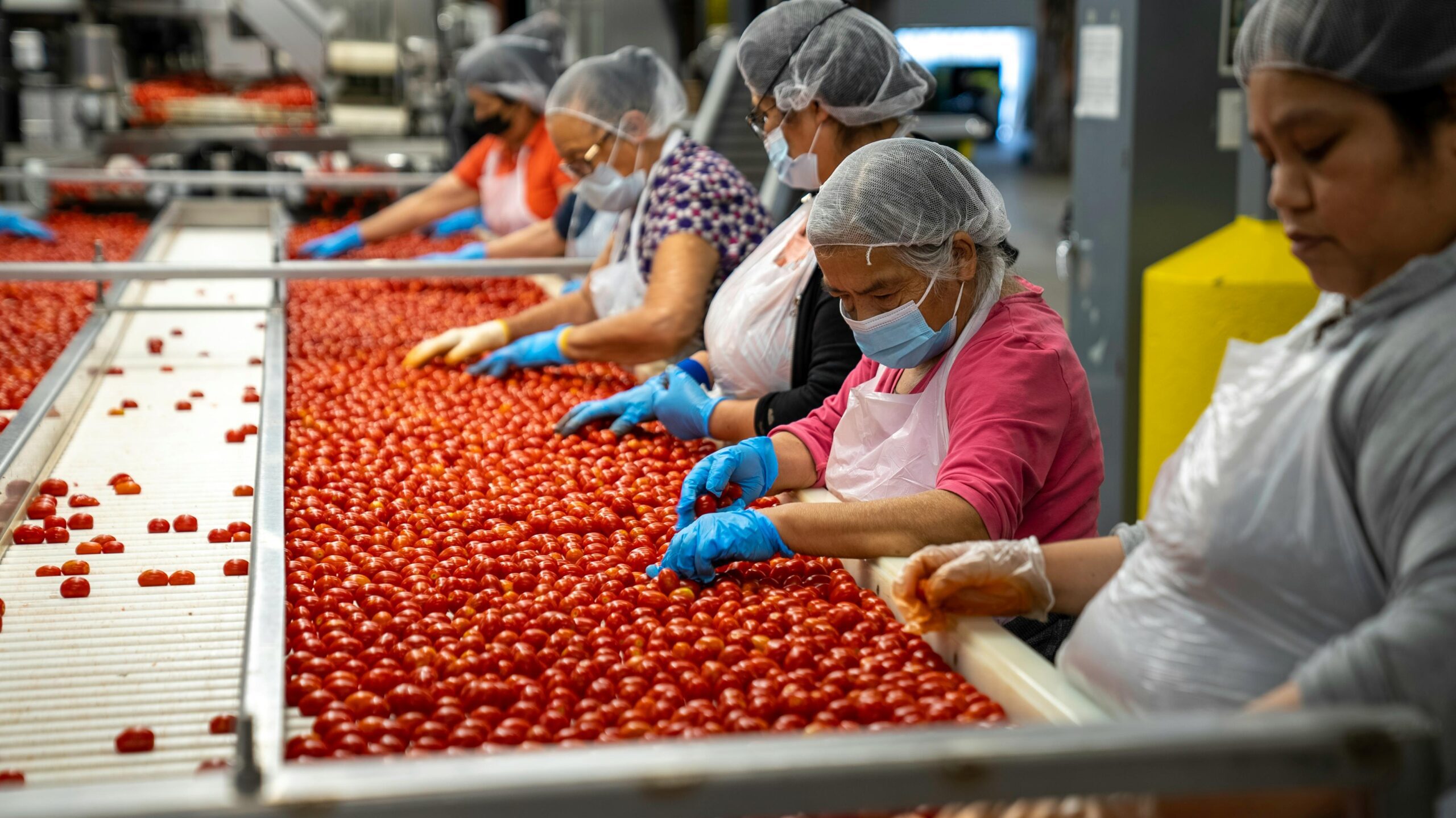
Maintaining high standards of sanitation in food processing facilities is essential to prevent contamination, ensure compliance with food safety regulations, and deliver safe products to consumers. This article provides an in-depth look at food plant sanitation, industry best practices, and how to optimize sanitation procedures for maximum effectiveness.
The Importance of Food Plant Sanitation
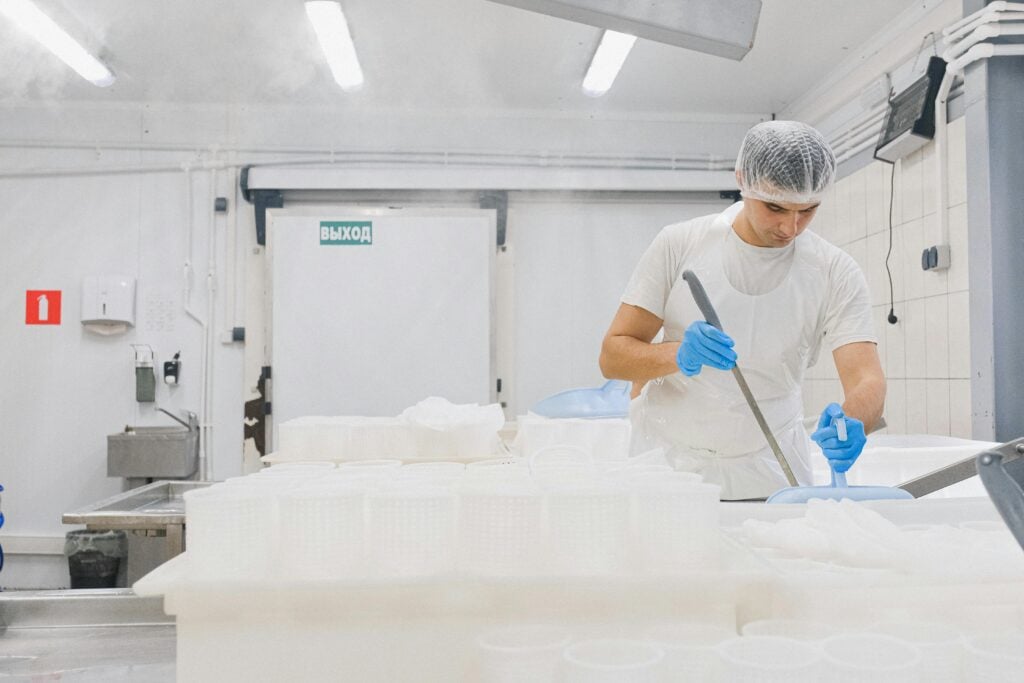
Sanitation in food processing plants is a critical control point in the food safety management system. It involves removing dirt, debris, food residues, and microbial contaminants from surfaces and equipment to prevent cross-contamination and microbial growth.
Key Components of Effective Food Plant Sanitation
1. Pre-Cleaning Inspection and Preparation
- Identify areas that require sanitation, including floors, walls, ceilings, equipment, and utensils.
- Remove excess food debris and waste prior to cleaning.
2. Proper Cleaning and Sanitization Procedures
Effective cleaning involves a combination of:
- Wet Cleaning: Using water and cleaning agents to loosen soil.
- Sanitizing: Applying approved sanitizers to reduce microbial load to safe levels.
3. Use of Industry-Approved Sanitation Products
Sanitizers should be compatible with food contact surfaces and approved by regulatory agencies like the FDA. Regular testing ensures their effectiveness.
Implementing HACCP Systems for Food Safety Compliance
The Hazard Analysis and Critical Control Points (HACCP) system is essential in managing sanitation and ensuring food safety. HACCP plans include specific sanitation protocols at critical points to control hazards.
Training and Documentation for Optimal Sanitation
Proper training of personnel in sanitation procedures ensures consistency and compliance. Maintaining detailed sanitation logs helps monitor compliance and facilitates audits.
Choosing the Right Industrial Sanitation Partner
Partnering with experienced sanitation service providers can improve overall sanitation standards. Companies like Fayette Contract Sanitation Services consistently deliver reliable, industry-compliant sanitation solutions.
Sanitation Service Providers for Food Processing Facilities
Conclusion
Effective food plant sanitation is a cornerstone of food safety and regulatory compliance. Implementing rigorous sanitation protocols, leveraging modern sanitation solutions, and partnering with reputable providers will ensure your food processing operations meet the highest standards of hygiene.
For expert sanitation services tailored to your industry needs, consider partnering with Fayette Contract Sanitation Services. Ensuring a clean and safe food production environment is paramount to safeguarding consumer health and your brand reputation.