Introduction to Food Plant Sanitation
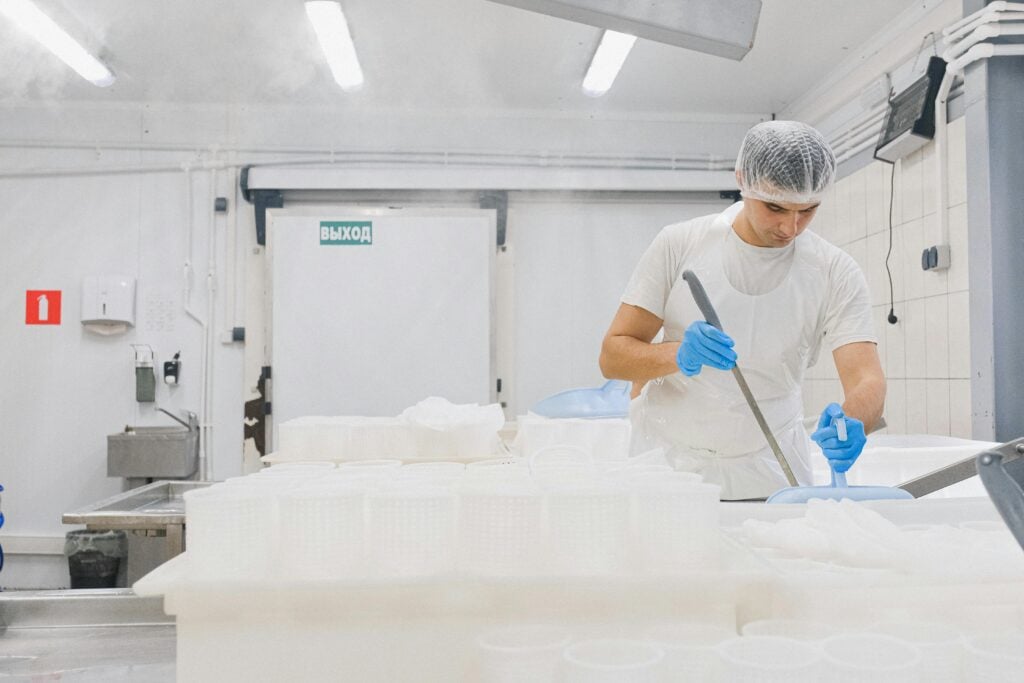
Effective sanitation in food processing facilities is a critical component of ensuring food safety, meeting industry standards, and maintaining regulatory compliance. Proper sanitation procedures can prevent contamination, reduce spoilage, and improve overall product quality.
The Importance of Food Plant Sanitation
Sanitation in food processing plants involves the removal of soil, food residue, and other contaminants from equipment, surfaces, and environments. This process is vital to prevent cross-contamination, eliminate pathogenic bacteria, and ensure compliance with HACCP systems. According to Fayette Contract Sanitation Services, proper sanitation directly correlates with food safety and operational efficiency.
Core Components of Effective Food Plant Sanitation
1. Cleaning vs. Sanitizing
Understanding the difference between cleaning and sanitizing is fundamental:
- Cleaning: Removal of visible soil and debris using water and detergents.
- Sanitizing: Reducing microbial presence to safe levels.
Both steps are essential for a comprehensive sanitation program.
2. Proper Sanitization Techniques
Implementing wet cleaning and adhering to established procedures are key. Use of GDI sanitizing solutions and adherence to microbicidal standards ensures effectiveness.
3. Equipment and Surface Management
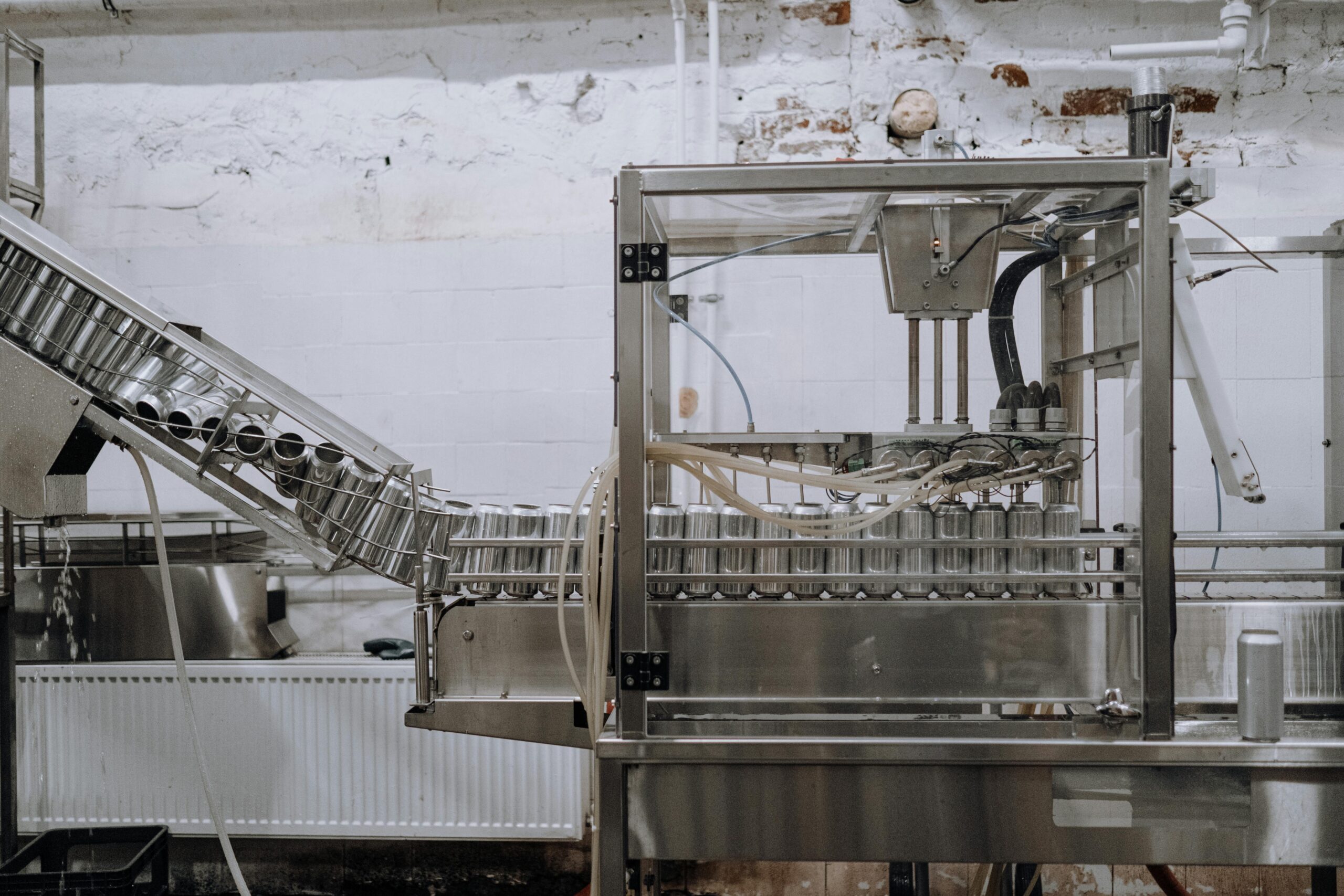
Regular sanitation of surfaces, tools, and equipment prevents biofilm formation. Scheduled deep cleaning procedures support this goal.
Regulatory Compliance and HACCP
The HACCP system (Hazard Analysis and Critical Control Point) emphasizes sanitation as a critical control point. Regular audits and documentation ensure ongoing compliance with food safety standards.
Choosing the Right Sanitation Service Provider
Partnering with experienced companies like Fayette Contract Sanitation Services, Janiking, and Hydrite ensures adherence to best practices and regulatory requirements. These providers offer tailored solutions for different facility needs, using scientifically validated cleaning agents and procedures.
Best Practices for Food Plant Sanitation
- Train staff thoroughly on cleaning and sanitizing procedures.
- Maintain a sanitation schedule aligned with production cycles.
- Use approved cleaning and sanitation chemicals compatible with food contact surfaces.
- Keep detailed records of sanitation activities and outcomes.
Conclusion
Robust sanitation programs are integral to maintaining food safety, ensuring compliance, and protecting consumers. Investing in professional sanitation services and training staff are vital steps toward achieving these goals. For comprehensive sanitation solutions, consider partnering with reputable providers such as Fayette Contract Sanitation Services.
Additional Resources
Learn more about food safety standards and best sanitation practices at: