
Introduction to Food Plant Sanitation and Its Critical Role in Food Safety
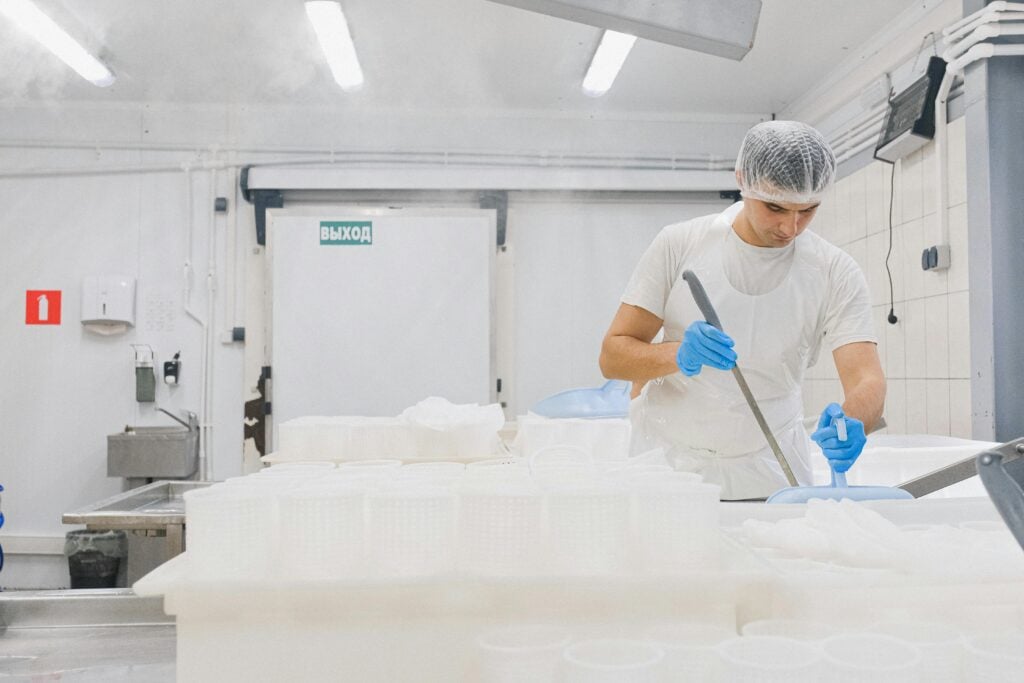
In the food processing industry, maintaining impeccable sanitation standards is essential for ensuring food safety, regulatory compliance, and product quality. Food plant sanitation encompasses a range of practices designed to eliminate harmful microorganisms and prevent cross-contamination, ultimately safeguarding consumer health.
Understanding Food Plant Sanitation Services
Effective food plant sanitation services involve comprehensive cleaning protocols tailored to the unique requirements of each facility. These services typically include:
- Initial cleaning and wet cleaning procedures: Removing dirt, organic material, and residues from production surfaces.
- Disinfection: Applying approved disinfectants to eliminate bacteria, viruses, and other pathogens.
- Sanitization: Reducing microbial load to safe levels in accordance with food safety standards.
- Specialized cleaning methods: Such as foam cleaning or vapor cleaning for hard-to-reach areas.
Best Practices for Food Processing Plant Cleaning and Sanitation
Developing a Robust HACCP Plan
Implementing a HACCP system (Hazard Analysis and Critical Control Points) helps identify critical points where sanitation must be strictly enforced to prevent hazards. Regularly reviewing and updating the HACCP plan ensures ongoing food safety compliance.
Cleaning and Sanitizing Procedures
To achieve optimal sanitation, follow these steps:
- Remove debris and residues: Use appropriate detergents for initial cleaning.
- Apply sanitizers properly: Ensuring contact time and concentration meet the manufacturer’s recommendations.
- Dry surfaces thoroughly: To prevent microbial growth.
Employee Training and Monitoring
Training staff on proper sanitation procedures and routine monitoring of cleaning activities are vital for maintaining high standards. Documenting cleaning sessions and conducting regular audits help verify compliance.
Compliance and Regulatory Standards
Food processing facilities must adhere to regulatory standards such as FDA regulations and local health codes. Regular inspections and certification programs validate that sanitation procedures meet industry benchmarks.
Technical Innovations in Food Plant Sanitation
Advances such as automated cleaning systems, high-pressure washing, and environmentally friendly disinfectants enhance efficiency and sustainability while ensuring thorough sanitation.
Sanitation Service Providers
When choosing a sanitation partner, consider established companies specializing in food industry sanitation. Leading options include:
Partnering with reputable providers ensures compliance with food safety standards, effective cleaning, and minimized risk of contamination.
Conclusion
Maintaining rigorous sanitation in food processing plants is not only a regulatory requirement but a fundamental aspect of delivering safe, high-quality food products. By implementing comprehensive sanitation programs, utilizing advanced technologies, and partnering with trusted sanitation companies like Fayette Contract Sanitation Services, facilities can achieve operational excellence and safeguard public health.