Introduction to Food Plant Sanitation and Compliance
In the highly regulated food industry, maintaining impeccable sanitation standards and compliance with safety protocols is not just a regulatory requirement—it is essential for ensuring food safety and protecting public health. This comprehensive guide explores the key aspects of food plant sanitation and regulatory compliance, providing practical insights for industry professionals.
The Importance of Food Plant Sanitation
What is Food Plant Sanitation?
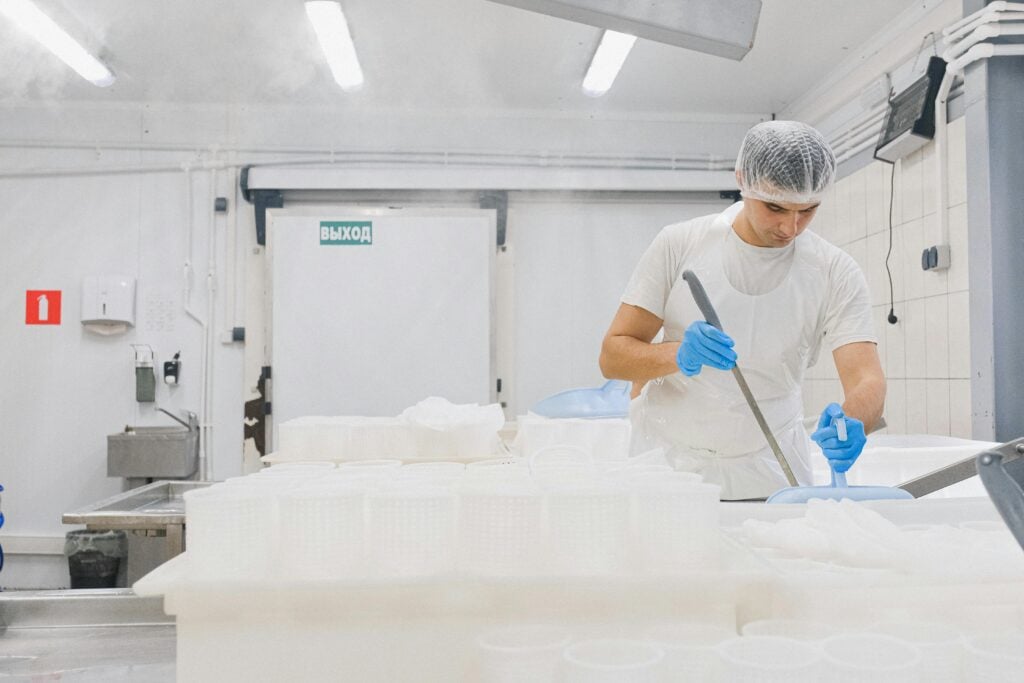
Food plant sanitation involves a systematic process of cleaning and sanitizing all surfaces and equipment in a food processing environment. Proper sanitation prevents the growth and spread of harmful microorganisms, which is critical in preventing foodborne illnesses.
Core Components of Effective Sanitation
- Cleaning: Removing dirt, food residues, and debris that can harbor bacteria.
- Sanitizing: Applying chemical agents to disinfect surfaces, reducing microbial load to safe levels.
- Documentation: Maintaining records of cleaning and sanitation procedures for compliance audits.
Regulatory Framework and Compliance
HACCP and Food Safety Regulations
Implementing a Hazard Analysis and Critical Control Points (HACCP) plan is fundamental to food safety compliance. HACCP identifies potential hazards in the production process and establishes critical control points to mitigate risks.
Compliance Best Practices
- Adhering to Good Manufacturing Practices (GMPs)
- Regular staff training on sanitation protocols
- Routine inspections and sanitation audits
- Proper calibration and maintenance of cleaning equipment
Effective Sanitation Strategies for Food Facilities
Cleaning and Sanitizing Methodologies
Use of wet cleaning techniques, along with appropriate sanitizers that are EPA-approved for food contact surfaces, is crucial. Ensure that cleaning schedules are tailored to the specific needs of different zones within the plant.
Best Practices for Food Processing Environments
- Focus on high-touch areas such as rollers and conveyors
- Implement color-coded cleaning tools to prevent cross-contamination
- Maintain continuous monitoring of sanitation efficacy
Choosing the Right Compatibility and Service Providers
Partnering with Professional Sanitation Services
Partnering with a reputable contract sanitation company such as Fayette Contract Sanitation Services can ensure consistent compliance and high sanitation standards. Additionally, companies like Janiking and Hydrite offer specialized solutions for food industry sanitation.
Sanitation Service Providers
Conclusion
Effective food plant sanitation combined with strict adherence to regulatory compliance practices forms the backbone of safe and successful food manufacturing operations. Embracing advanced cleaning methodologies and partnering with professional sanitation providers will help ensure your facilities meet industry standards and safeguard consumer health.