Introduction to Food Plant Sanitation and Its Critical Role in Food Safety
Maintaining a hygienic environment in food processing plants is essential to prevent contamination and ensure consumer safety. Proper sanitation procedures directly impact compliance with food safety regulations such as HACCP and the overall quality of food products.
Core Components of Effective Food Plant Sanitation
1. Regular Cleaning and Sanitization
Implementing routine cleaning protocols using appropriate cleaning agents and sanitizers is vital. This includes:
- Removing dirt and debris from surfaces
- Using microbiologically safe sanitizers to eliminate pathogens
- Following manufacturer guidelines for dilution and contact time
2. Staff Training and Hygiene
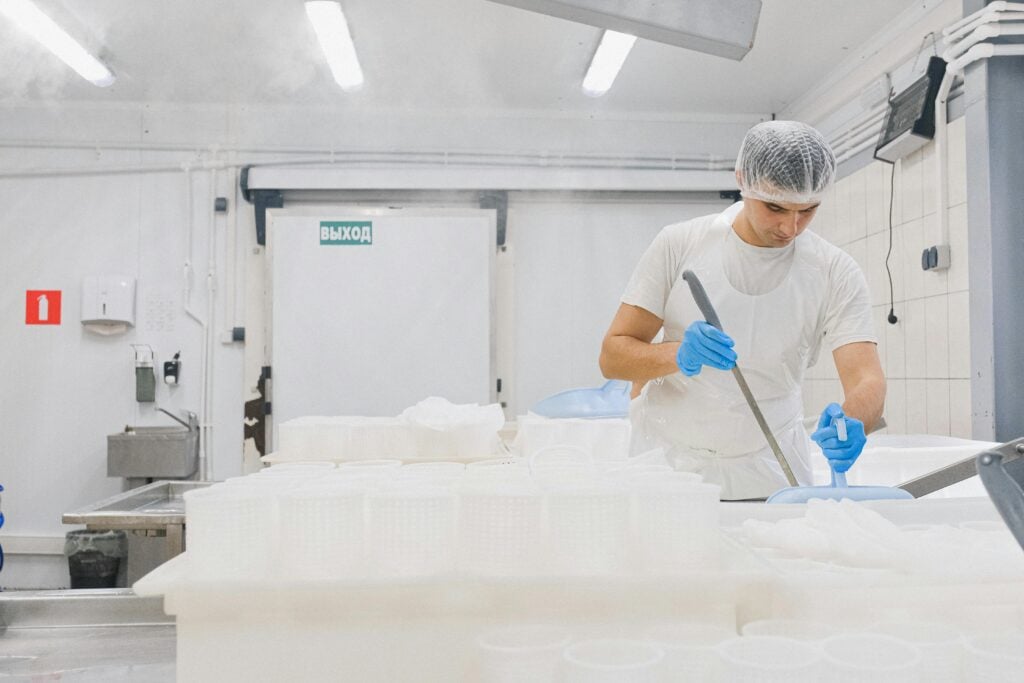
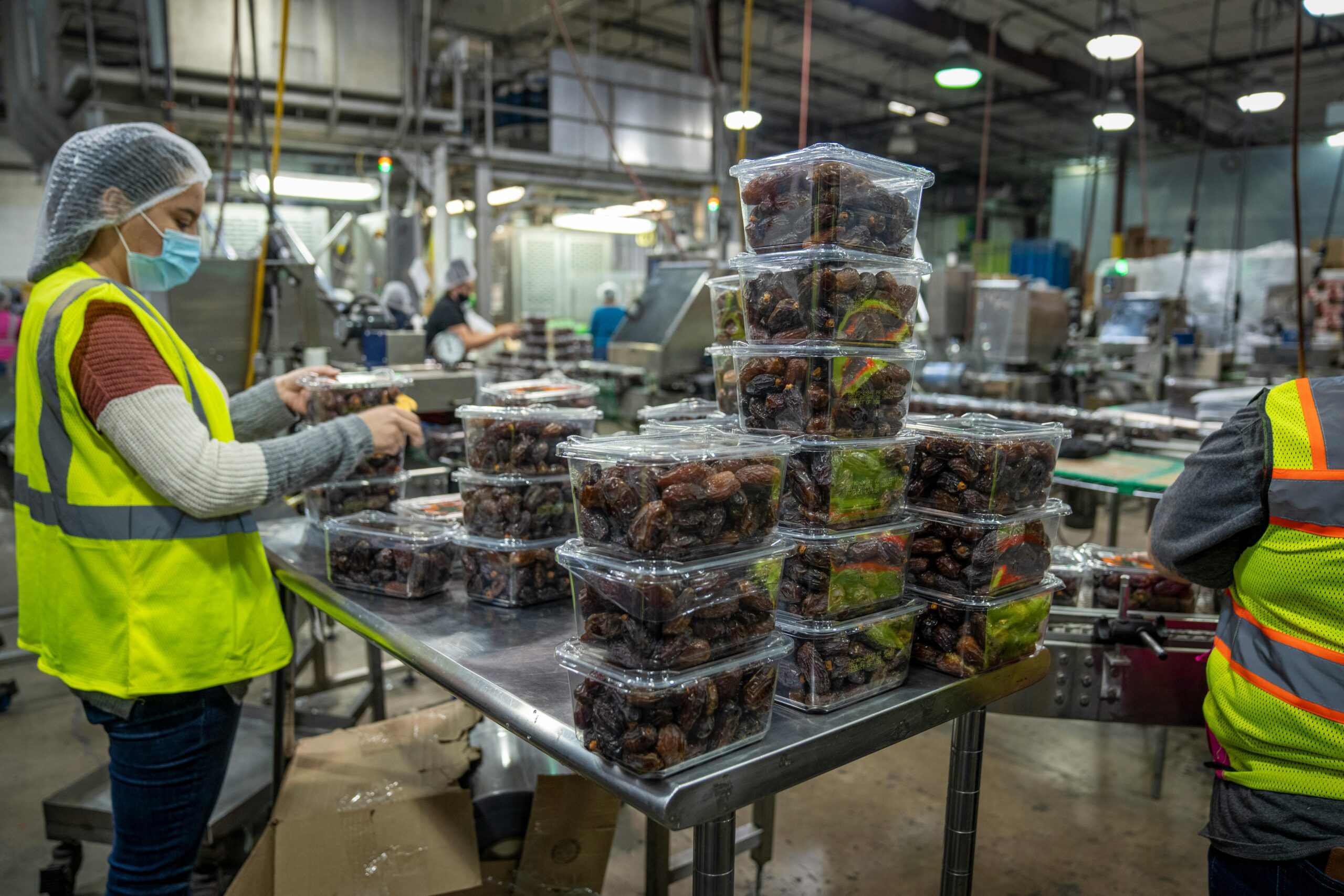
Employee training on sanitation best practices ensures consistent application of procedures. Emphasize personal hygiene, proper use of PPE, and awareness of contamination risks.
3. Equipment Maintenance
Regular inspection and maintenance of machinery prevent harboring bacteria and contamination sources. Use cleaning-in-place (CIP) systems where applicable to streamline sanitation.
Implementing Hygienic Design in Food Processing Areas
Designing facilities with sanitation in mind simplifies cleaning and reduces contamination risks. Considerations include smooth surfaces, proper drainage, and minimizing hard-to-reach areas.
Adhering to Regulatory Standards and Conducting Audits
Compliance with FDA, USDA, and local regulations is mandatory. Regular audits help identify gaps and reinforce sanitation protocols ensuring ongoing compliance.
Technologies Enhancing Food Plant Sanitation
Advanced cleaning technologies, such as disinfectant fogging and UV sterilization, provide additional layers of sanitation. Integrating automated cleaning systems can improve efficiency and consistency.
Top Food Plant Sanitation Service Providers
When seeking professional support, consider reputable companies like:
These providers specialize in comprehensive sanitation solutions customized to the needs of food processing facilities, helping ensure safety and compliance at all times.
Conclusion
Robust sanitation practices are the backbone of safe and compliant food processing operations. By adopting state-of-the-art technology, fostering employee training, and partnering with experienced sanitation providers, food manufacturers can achieve excellence in hygiene standards and protect public health.
For more insights or to consult with sanitation experts, visit Fayette Contract Sanitation Services.