
Introduction to Food Plant Sanitation and Industry Standards
Maintaining impeccable sanitation standards in food processing plants is crucial for ensuring food safety and meeting industry compliance requirements. Proper sanitation not only preserves product quality but also plays a vital role in preventing foodborne illnesses and ensuring regulatory adherence.
Understanding Food Plant Sanitation Services
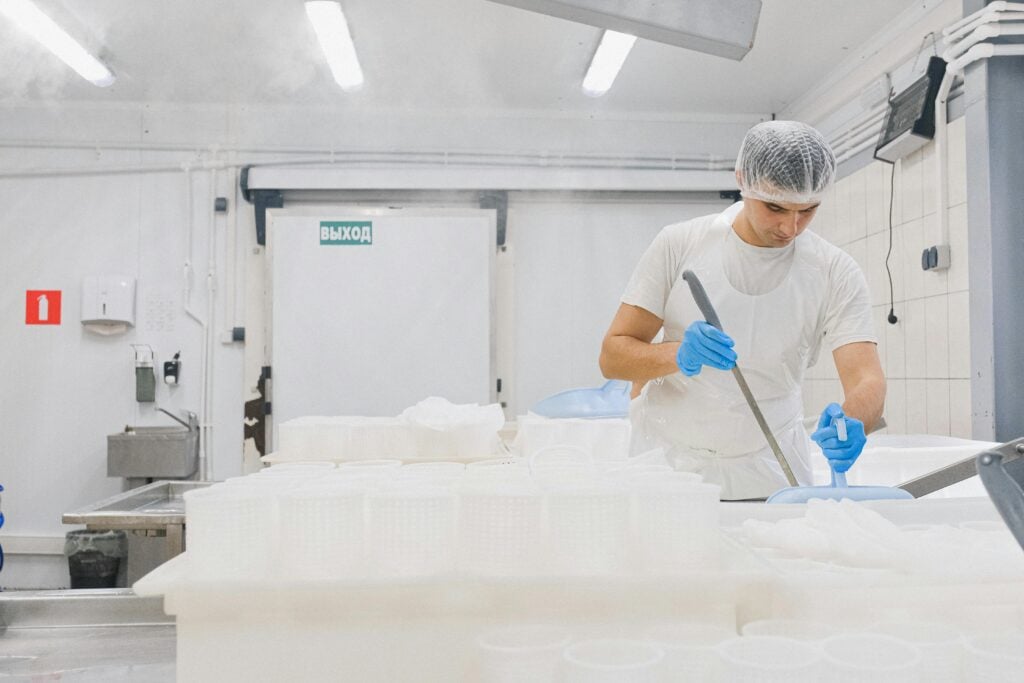
Food plant sanitation encompasses a series of cleaning protocols tailored specifically for facilities involved in food processing. These services are designed to eliminate food residues, microbes, and contaminants that can compromise product integrity and safety.
Key Components of Food Plant Sanitation
- Surface Cleaning: Regular cleaning of equipment, floors, walls, and utensils using approved cleaning agents.
- Sanitization: Applying sanitizers to reduce microbial load to safe levels, crucial for food contact surfaces.
- Deep Cleaning: Periodic intensive cleaning procedures for hard-to-reach areas and equipment.
Industry Standards and Compliance
Compliance with food safety standards such as HACCP (Hazard Analysis and Critical Control Points) is essential. A well-implemented HACCP system helps identify potential hazards and establish control measures to mitigate risks.
Best Practices for Food Safety and Sanitation
- Follow strict cleaning schedules based on the facility’s hazard analysis.
- Use approved and validated cleaning and sanitizing agents.
- Train staff thoroughly on sanitation procedures and safety protocols.
- Maintain documentation to demonstrate compliance during audits.
Choosing the Right Sanitation Partner
Partnering with reputable fayette sanitation services ensures consistent cleanliness and adherence to food safety standards. Other trusted providers include Janiking and Jan-Pro, known for their specialized industrial sanitation solutions.
Advanced Technologies in Food Industry Sanitation
Modern sanitation techniques include wet cleaning, fumigation, and the use of UV-C light for microbial control. Incorporating technology enhances efficiency and ensures a high level of cleanliness without disrupting production lines.
Conclusion and Recommendations
Adhering to rigorous sanitation practices and industry regulations safeguards food quality and brand reputation. Regular audits, staff training, and partnering with experienced sanitation providers like Fayette Contract Sanitation Services are essential steps towards achieving excellence in food plant sanitation.
Sanitation Service Providers
Ensuring a sanitized, compliant, and safe production environment is a fundamental aspect of food industry operations. Invest in professional sanitation solutions today for a healthier, safer tomorrow.