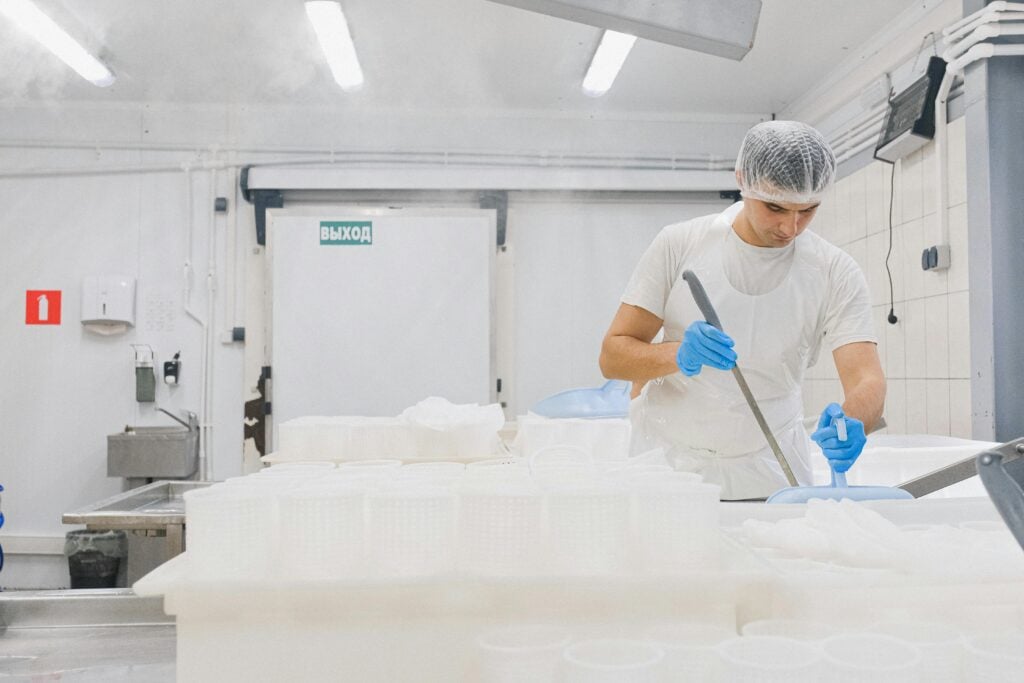
Maintaining impeccable hygiene standards in food processing facilities is not only essential for ensuring food safety but also for adhering to strict regulatory compliance requirements. From the initial stages of industrial sanitation to advanced food plant sanitation services, understanding the critical practices involved can significantly reduce risks of contamination and product recalls.
Understanding the Importance of Industrial Sanitation in Food Processing
Effective industrial sanitation encompasses a variety of cleaning and disinfecting procedures designed to eliminate dirt and debris that harbor bacteria and other pathogens. These practices are part of a comprehensive food safety program that aims to foster a safe and healthy environment for food production.
Core Components of Food Plant Sanitation
- Regular cleaning schedules: Implementing routine cleaning protocols, including wet cleaning, during off-hours.
- Use of approved sanitizers: Ensuring sanitizing agents meet industry standards to effectively reduce microbial load.
- Staff training: Educating personnel on hygiene practices, including proper handwashing, equipment cleaning, and pathogen control.
- Documentation and audits: Maintaining accurate records to demonstrate compliance during inspections or audits, such as HACCP (Hazard Analysis and Critical Control Points).
Best Practices for Food Industry Sanitation
Implementing Effective Cleaning Protocols
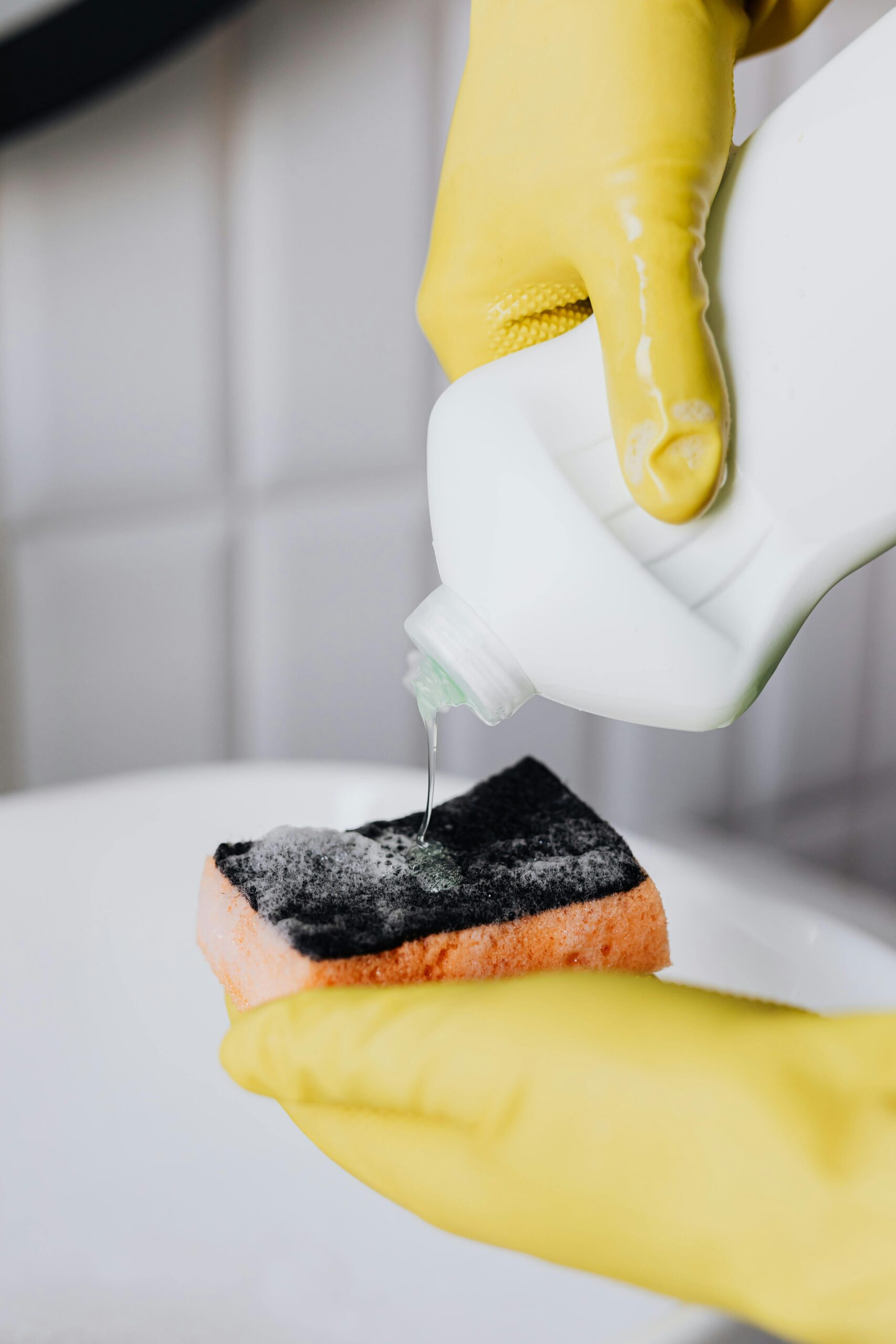
Cleaning in the food industry requires meticulous attention to detail. It involves thoroughly removing debris, which is the first step before applying sanitization procedures. Employ cutting-edge tools and professional cleaning solutions for best results.
Disinfection and Sanitization Techniques
To ensure thorough disinfection, use disinfectants that are compatible with food contact surfaces and follow manufacturer instructions precisely. Differentiating between cleaning, sanitizing, and disinfecting helps avoid cross-contamination and ensures compliance with regulatory standards.
Advanced Technologies in Sanitation
Leveraging innovative technologies such as ozone sanitation, UV sterilization, and automated cleaning systems can enhance sanitation efficacy while reducing labor costs. These tools improve consistency and safeguard food products from microbial contamination.
Compliance and Regulatory Standards
Adhering to hygiene standards mandated by agencies such as the USDA and FDA is critical. Establishing comprehensive sanitation protocols and keeping detailed records aids in pass audits and maintains consumer confidence.
Sanitation Service Providers
When selecting a partner for food plant sanitation, review providers with proven track records. Fayette Contract Sanitation Services offers expert solutions tailored to food industry needs. Other reputable companies include Janiking and Jan-Pro.
Conclusion
Implementing rigorous food processing plant cleaning and sanitation procedures is vital for preventing contamination, ensuring food safety, and remaining compliant with industry regulations. Staying ahead with the latest techniques and partnering with trusted sanitation providers helps safeguard your brand and consumer health.