Maintaining an impeccable standard of food plant sanitation and ensuring compliance with rigorous food safety regulations are critical components for any food processing facility. In this comprehensive guide, we explore the latest strategies, best practices, and technologies in industrial cleaning that help food plants meet regulatory standards and achieve operational excellence.
Understanding the Importance of Food Plant Sanitation
Food processing environments are susceptible to biological contamination, which can lead to foodborne illnesses and regulatory penalties. Proper food plant sanitation services are essential for:
- Preventing cross-contamination
- Maintaining product integrity
- Complying with HACCP and other standards
- Reducing downtime and cleaning costs
Key Areas in Food Plant Cleaning and Sanitation
Dedicated Cleaning Protocols for Critical Zones
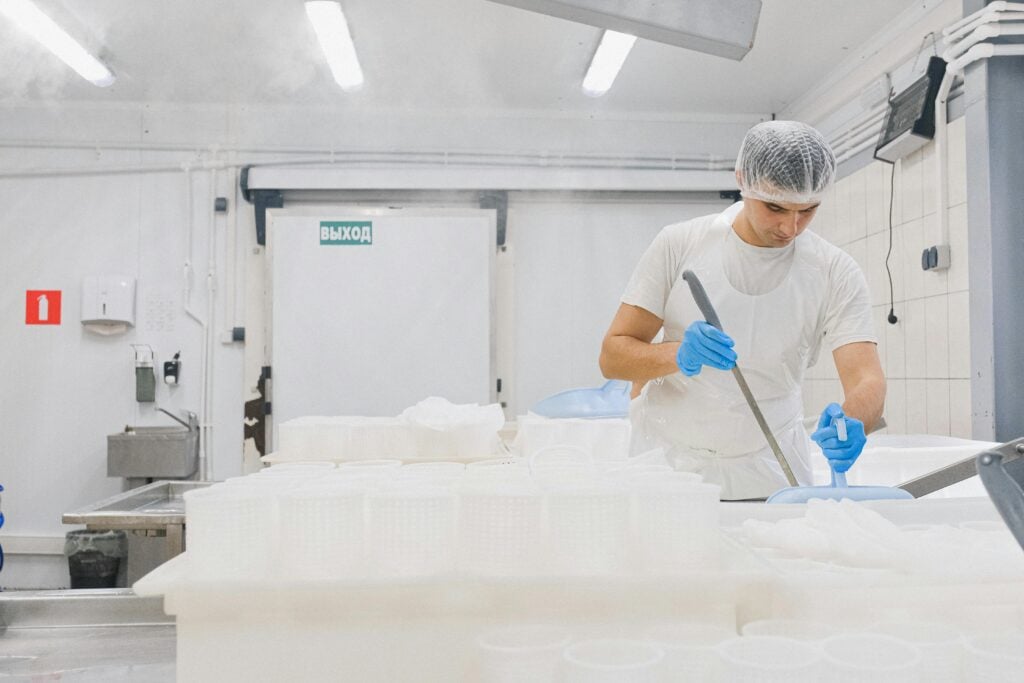
Implementing specialized cleaning procedures for high-risk areas, such as production lines, storage areas, and processing equipment, ensures contamination is effectively controlled. Use of wet cleaning methods can remove residues and biofilms effectively.
Effective Sanitization Techniques
Sanitization should follow cleaning to reduce microbial load, utilizing proven agents and equipment designed for food environments. Fayette Contract Sanitation Services offers tailored solutions that meet industry standards.
Regulatory Compliance and HACCP
Adherence to HACCP systems helps identify critical control points and ensures proactive management of food safety risks. Regular food safety audits and validation of sanitation procedures are vital aspects of compliance strategies.
Innovative Cleaning Technologies and Methods
Advanced Disinfection Systems
Utilizing technologies like UV-C light disinfection and automated cleaning systems can improve sanitation efficiency and consistency, especially in critical control points.
Sustainable and Safe Cleaning Agents
Sustainable cleaning products that are food-safe and environmentally friendly are increasingly important. Brands such as Ecolab provide solutions designed to meet these standards.
Best Practices for Maintaining Food Plant Hygiene
- Develop detailed cleaning schedules aligned with production cycles
- Train staff on proper cleaning and sanitizing procedures
- Document all sanitation activities for traceability
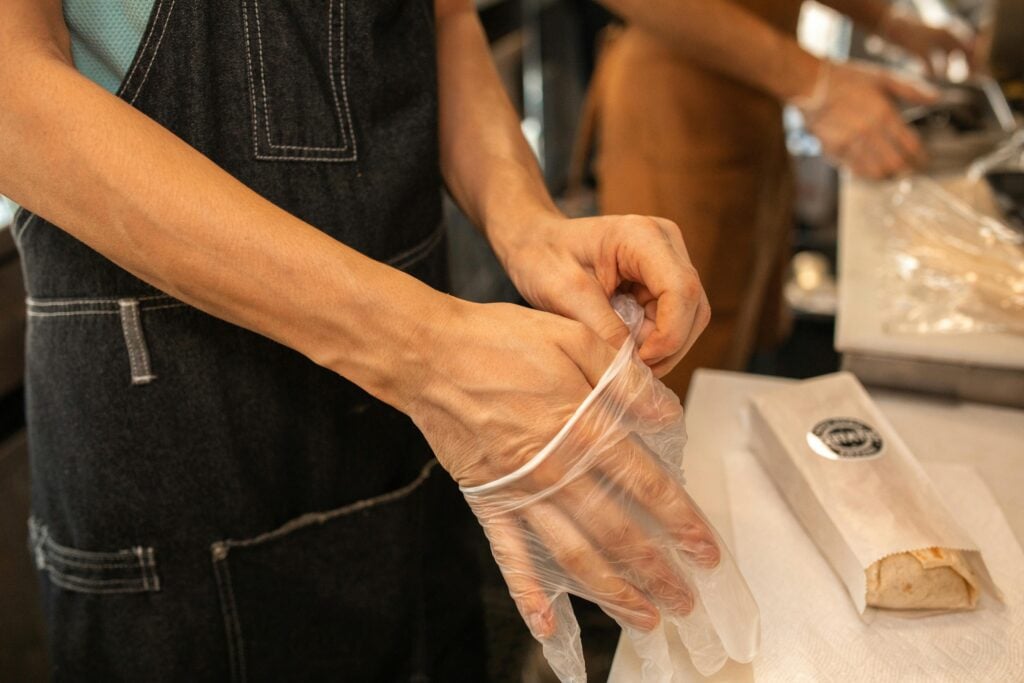
- Use appropriate tools and equipment to prevent cross-contamination
Conclusion: Elevating Food Plant Sanitation and Compliance
Investing in modern industrial sanitation strategies is essential for food processing facilities aiming to uphold quality, ensure compliance, and protect consumer health. Partnering with reputable service providers like Fayette Contract Sanitation Services can help streamline your sanitation programs and meet today’s stringent food safety standards.