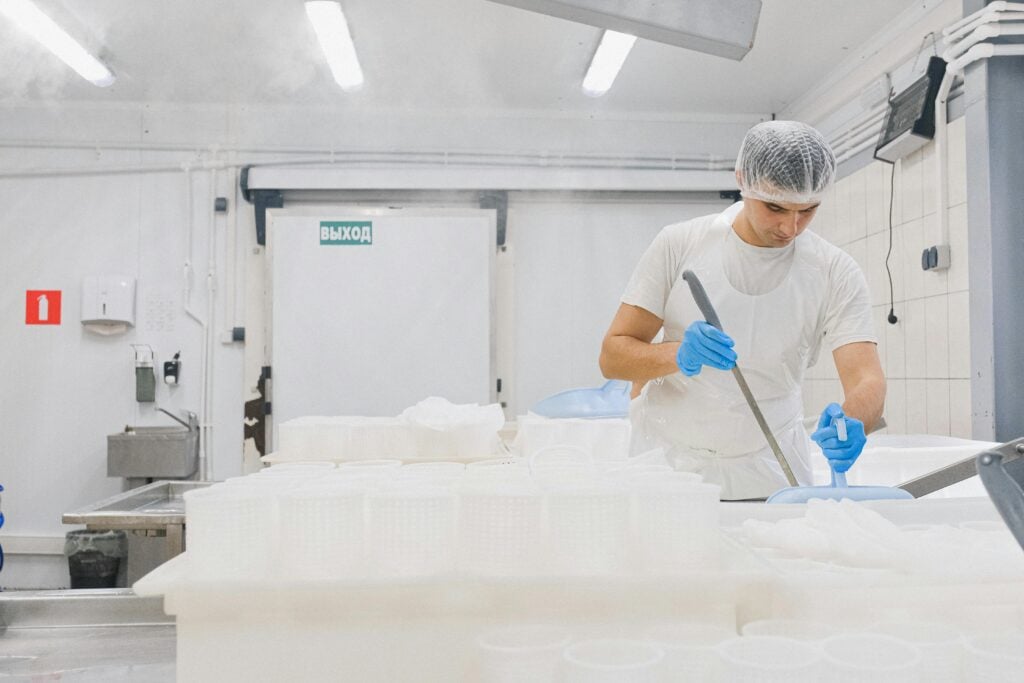
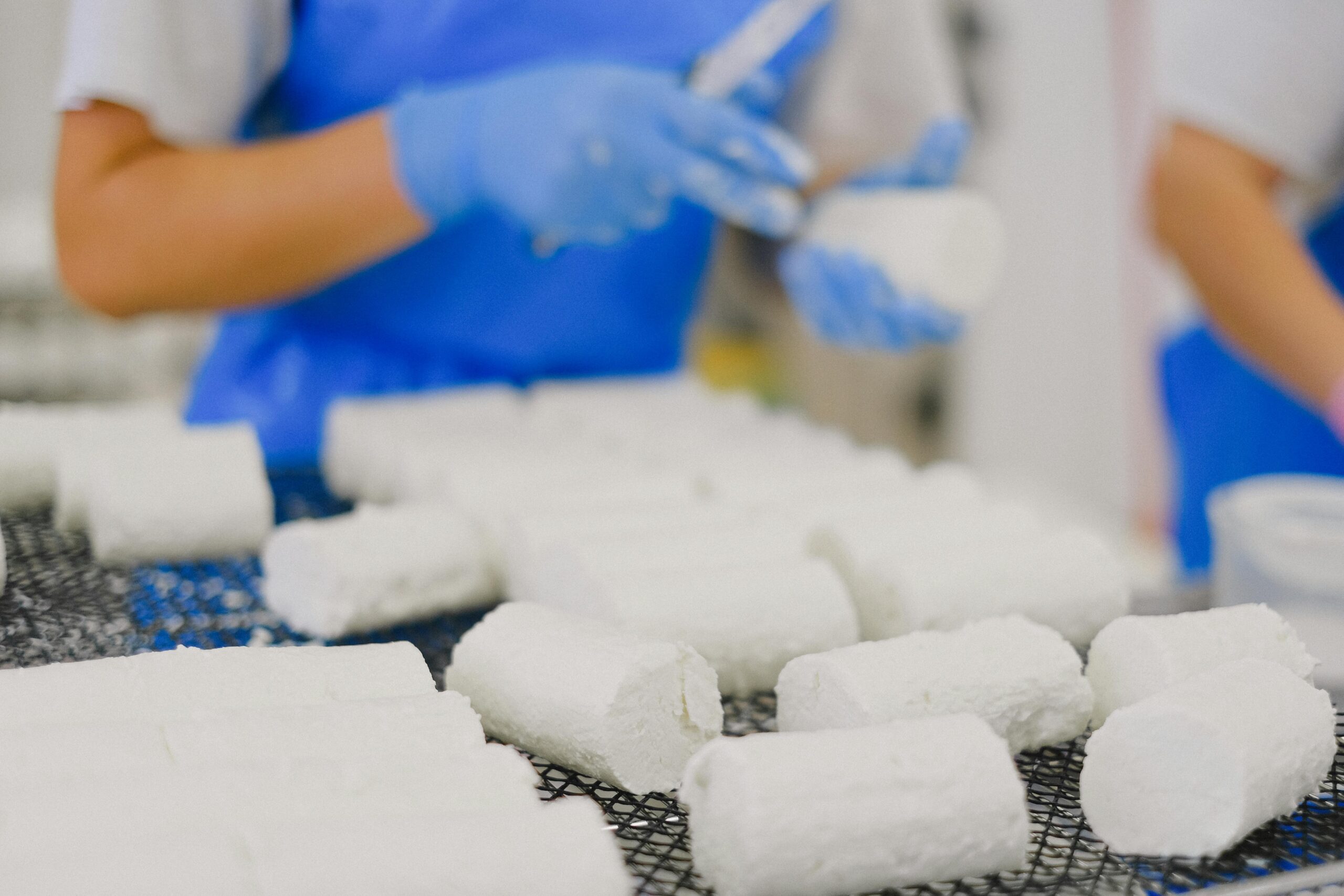
Maintaining the highest standards of food safety and industry sanitation is essential for any food processing facility. Implementing effective fayette sanitation procedures not only ensures compliance with industry regulations but also prevents contamination and extends the shelf life of products.
Understanding Food Plant Sanitation
What is Food Plant Sanitation?
Food plant sanitation involves a series of cleaning and disinfecting procedures designed to eliminate harmful bacteria, pathogens, and debris from production areas. Proper sanitation is a critical component of food plant sanitation services that contribute to overall food safety.
Why is Sanitation Critical in Food Processing?
- Prevents cross-contamination: Proper sanitation prevents the transfer of harmful bacteria from raw ingredients to cooked or packaged foods.
- Meets regulatory standards: Compliance with HACCP protocols and other food safety standards is mandatory for food processors.
- Protects brand reputation: Consistently sanitized facilities reduce the risk of food recalls and safety violations.
Best Practices for Food Plant Sanitation
Implementing Effective Cleaning Protocols
- Use approved cleaning agents: Employ sanitizers that are scientifically proven to eliminate pathogens without damaging equipment.
- Follow a regular schedule: Establish daily, weekly, and monthly cleaning routines tailored to specific areas and equipment.
- Train staff thoroughly: Ensure all personnel understand proper cleaning techniques and safety procedures.
Disinfection and Sterilization in Food Facilities
Disinfection involves applying chemical agents to surfaces to kill pathogens. While sterilization is more rigorous, involving complete elimination of all microorganisms, it is generally reserved for critical processing equipment. Implementing disinfection practices is crucial for areas accessible to food contact surfaces.
Role of HACCP in Food Sanitation
What is HACCP?
Hazard Analysis and Critical Control Point (HACCP) is a systematic preventative approach to food safety. It identifies potential hazards and implements controls to mitigate risks — integral to HACCP compliance.
Key Elements of HACCP
- Conduct hazard analysis
- Identify critical control points (CCPs)
- Establish critical limits
- Monitor CCPs
- Implement corrective actions
- Verify procedures
- Maintain records and documentation
Choosing the Right Sanitation Service Provider
The selection of contract sanitation companies or professional cleaning providers is vital for maintaining standards. Reputable firms ensure compliance, consistency, and advanced sanitation technologies to keep your facility safe and efficient.
Sanitation Service Providers
Conclusion
Effective food plant sanitation is a comprehensive process that integrates proper cleaning, disinfection, staff training, and regulatory compliance. By partnering with experienced professionals and adhering to industry best practices, food processors can ensure product safety, protect consumer health, and maintain a competitive edge in the market.
For more information about Fayette’s sanitation services or to find a trusted sanitation partner, contact us today.