
Introduction
Food safety is paramount in the food processing industry, relying heavily on meticulous sanitation practices. Implementing effective food plant sanitation and understanding the role of sanitization in maintaining hygienic conditions are crucial to prevent contamination and ensure consumer safety.
The Importance of Food Plant Sanitation
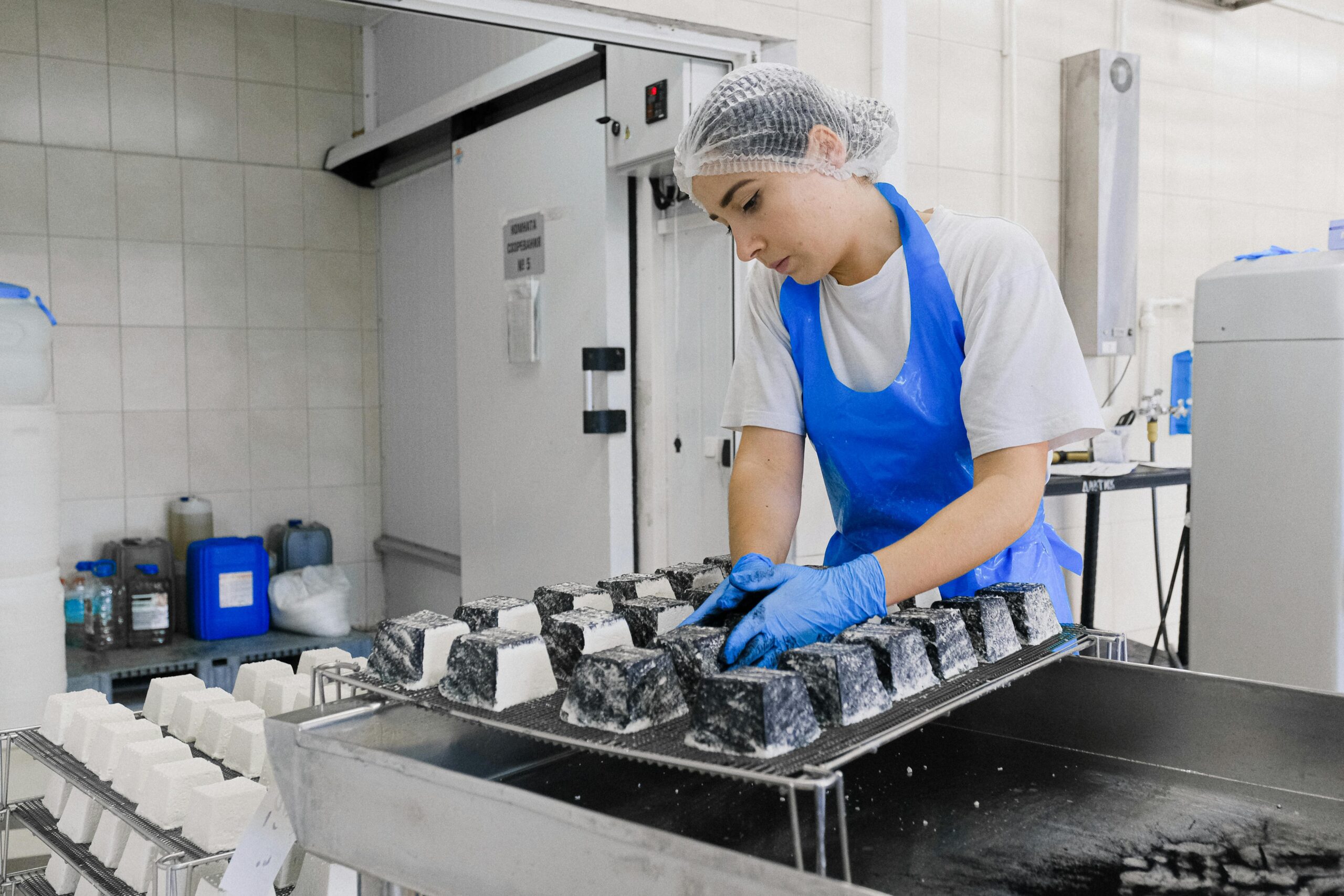
Food processing facilities operate under strict regulations to ensure product safety. Fayette Contract Sanitation Services exemplifies top-tier sanitation solutions, helping food plants adhere to stringent standards. Proper sanitation reduces microbial presence, prevents cross-contamination, and extends product shelf life.
Key Elements of Food Plant Sanitation
- Cleaning: Removal of organic and inorganic debris from surfaces and equipment.
- Sanitizing: Reducing microbial populations to safe levels using approved sanitizers.
- Disinfection: Eliminating pathogens to prevent organism spread.
Effective Sanitation Strategies in Food Processing
Cleaning in Food Industry
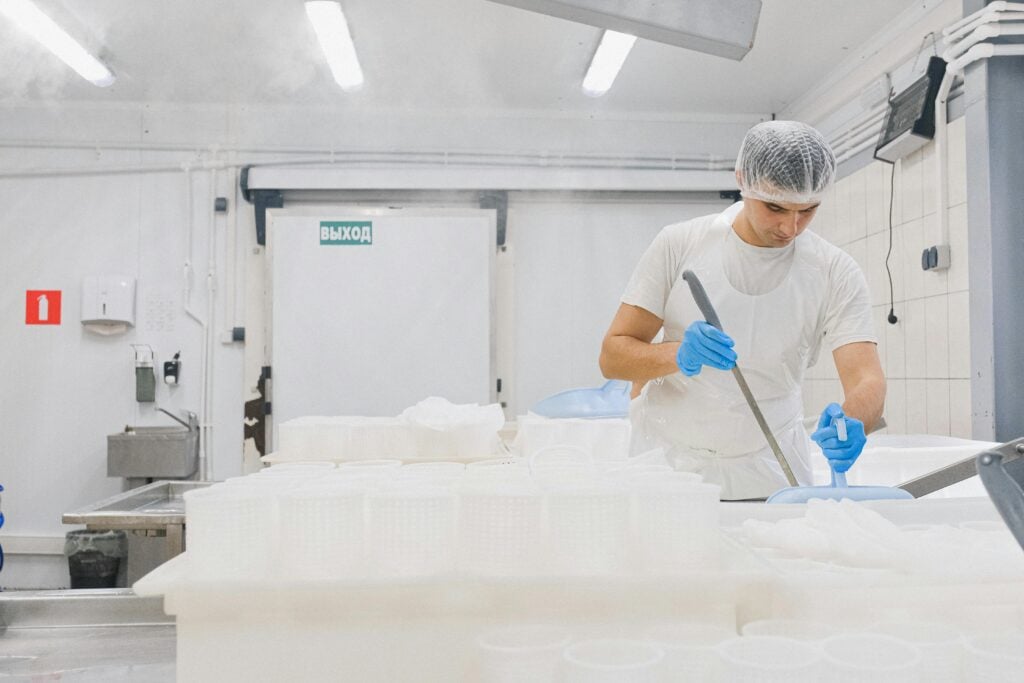
Cleaning forms the foundation of food plant sanitation. It involves removing dirt, food residues, and biofilms, which can harbor harmful microbes. Techniques such as wet cleaning and automated cleaning systems ensure thorough removal of debris.
Sanitization and Disinfection
Post-cleaning, sanitization reduces microbial counts to safe levels. Disinfection, when necessary, targets specific pathogens. The use of EPA-approved sanitizers and disinfectants ensures compliance and safety.
Implementing HACCP Systems for Enhanced Food Safety
Hazard Analysis and Critical Control Points (HACCP) systems are integral to food safety management. Proper sanitation practices are critical control points within HACCP plans, preventing microbial hazards and ensuring regulatory compliance. Learn more about HACCP at Fayette.
Best Practices for Food Processing Plant Cleaning
Routine Cleaning Schedule
- Establish clear procedures for daily, weekly, and monthly cleaning tasks.
- Use appropriate cleaning agents for different surfaces and equipment.
- Maintain detailed records for traceability and audits.
Innovative Sanitation Technologies
Emerging technologies like foam cleaning and UV sanitization enhance traditional methods, providing more efficient and environmentally friendly options.
Choosing the Right Sanitation Service Provider
Partnering with reputable companies like Fayette Sanitation, Janiking, or Ecolab ensures compliance, reliable service, and adherence to food safety standards.
Conclusion
Maintaining high standards of food plant sanitation and sanitization is essential for food safety, regulatory adherence, and consumer protection. Implementing comprehensive cleaning protocols, leveraging advanced technologies, and collaborating with trusted sanitation providers forms the cornerstone of a safe, efficient, and compliant food processing environment.