
—
Introduction
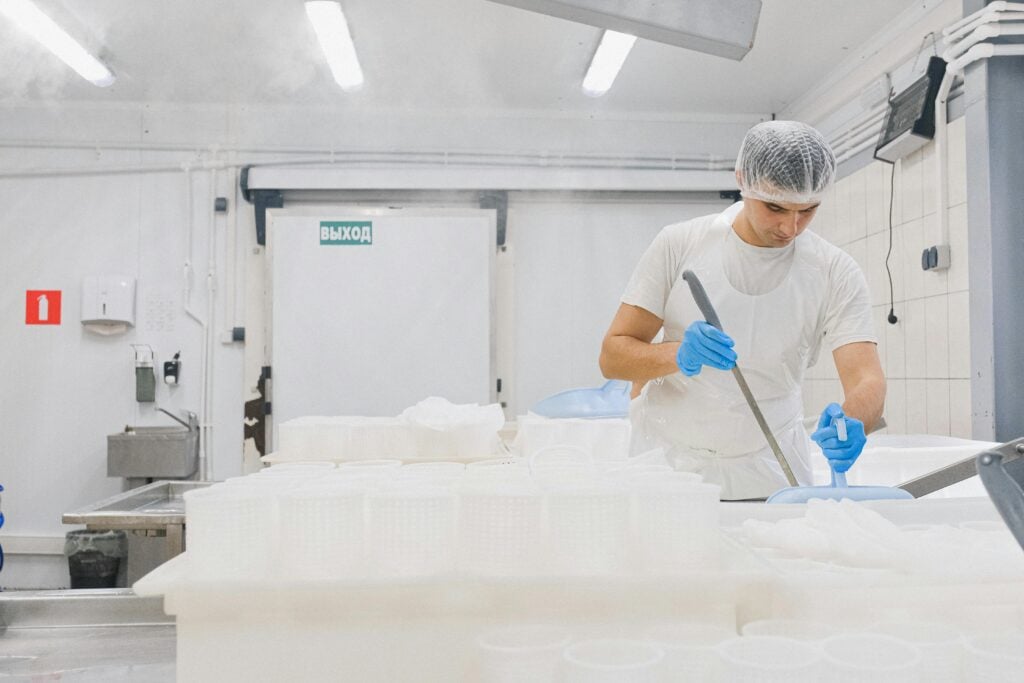
Maintaining impeccable sanitation standards in food processing and packing plants is essential for ensuring food safety, complying with industry regulations, and safeguarding consumer health. Industrial cleaning and sanitation are foundational elements that prevent contamination, prolong equipment lifespan, and uphold brand integrity.
The Critical Role of Food Plant Sanitation
In the food industry, sanitation isn’t just about cleanliness; it’s about creating a safe production environment that minimizes risks of foodborne illnesses. Proper sanitation procedures can help prevent cross-contamination, biofilm formation, and bacterial growth, which are major threats to food safety compliance.
Best Practices for Food Processing Plant Sanitation
1. Develop a Comprehensive Cleaning Schedule
- Establish daily, weekly, and monthly cleaning routines tailored to specific equipment and areas.
- Ensure schedules follow industry standards, such as those outlined by the USDA or FDA.
2. Use Food-Grade Sanitizing Agents
- Select sanitizers that are approved for food contact surfaces.
- Properly dilute and apply sanitizers to eliminate bacteria, viruses, and other pathogens effectively.
3. Focus on Hard-to-Reach Areas
- Pay special attention to seams, corners, and equipment joints where residues can accumulate.
- Regularly inspect these regions during routine sanitation.
4. Train Your Workforce
- Educate employees on proper cleaning techniques and the importance of sanitation for food safety.
- Implement ongoing training sessions to update staff on best practices and regulatory changes.
Innovative Technologies Enhancing Food Plant Sanitation
Advancements in industrial cleaning technology have led to more effective sanitation processes, such as:
- Foam cleaning systems that adhere better to surfaces and extend contact time.
- Ultraviolet (UV) disinfection devices that eliminate microbial contamination without chemical use.
- Automated cleaning robots for hard-to-reach and hazardous areas, reducing human error and exposure.
Implementing these technologies can significantly boost sanitation efficacy, ensuring compliance with strict food safety regulations.
Ensuring Compliance and Avoiding Penalties
Proper sanitation isn’t just a matter of hygiene—it’s a legal requirement. Food safety compliance standards are enforced by agencies like the FDA and USDA, which conduct periodic inspections. Failure to adhere can result in costly recalls, fines, and damage to brand reputation.
Regular documentation of cleaning procedures and sanitation records is crucial for demonstrating compliance during inspections. Employing professional industrial cleaning services can assist in maintaining these meticulous records.
Partnering With Professional Sanitation Service Providers
Outsourcing sanitation tasks to experienced industrial cleaning providers ensures thoroughness and compliance. Companies like Fayette Contract Sanitation Services, Janiking, and GDI offer specialized services tailored to the food industry. Their expertise includes:
- Customized cleaning programs
- Use of approved sanitizing agents
- Detailed record-keeping
- Compliance with all safety standards
Sanitation Service Providers
When selecting a sanitation partner, consider experience, technology adoption, and reputation. Leading providers in the industry include:
Conclusion
Effective food plant sanitation plays a vital role in ensuring food safety compliance and protecting consumer health. By adopting best practices, leveraging innovative technologies, and partnering with reputable sanitation service providers, food processing and packing facilities can uphold the highest standards of cleanliness, regulatory compliance, and quality assurance.
Investing in comprehensive industrial cleaning solutions is not just a regulatory requirement—it’s a critical component of your brand’s reputation and success in the competitive food industry.
**