
Essential Food Plant Sanitation Strategies to Ensure Food Safety and Compliance
Maintaining rigorous food plant sanitation is critical for ensuring product safety, preventing contamination, and achieving compliance with industry standards. As food processing facilities and slaughterhouses face increasing scrutiny, implementing effective sanitation protocols becomes more important than ever. This article explores key strategies, industry best practices, and the latest technologies to optimize industrial cleaning workflows and uphold food safety compliance.
Understanding the Importance of Food Plant Sanitation
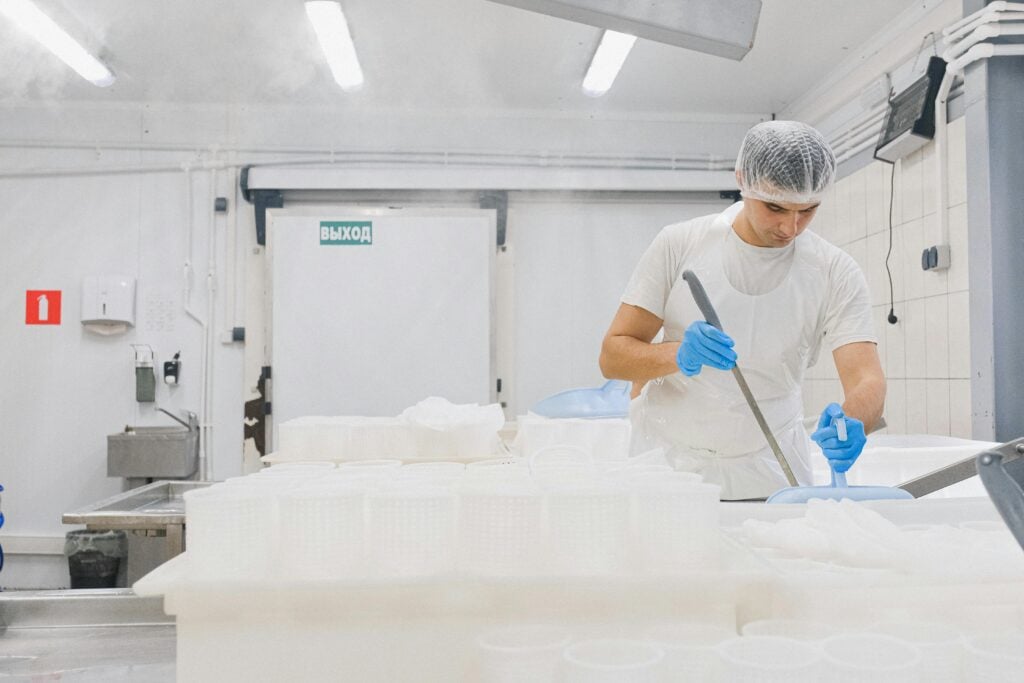
Proper sanitation in food processing environments is vital for preventing microbial contamination, cross-contact, and product recalls. Regulatory agencies like the FDA and USDA enforce strict standards to safeguard consumer health, making sanitation a non-negotiable component of food safety management. Neglecting these protocols not only risks public health but can also result in costly shutdowns and legal penalties.
Key Components of Effective Food Plant Sanitation
1. Regular Cleaning and Disinfection
- Implement routine cleaning schedules for all surfaces, equipment, and floors.
- Use industry-approved disinfectants proven to eliminate pathogens such as Salmonella, Listeria, and E. coli.
- Ensure contact time and dilution ratios are strictly followed to maximize disinfectant efficacy.
2. Focused Sanitization of High-Risk Areas
- Identify critical control zones, including rinse tanks, cutting areas, and packaging stations.
- Prioritize cleaning protocols for these zones to prevent cross-contamination.
3. Implementation of Sanitation SOPs
- Develop clear Standard Operating Procedures (SOPs) tailored to each facility’s processes.
- Train staff thoroughly to adhere to SOPs consistently.
- Maintain detailed records of sanitation activities for traceability and audits.
Incorporating Advanced Technology
Modern sanitation solutions leverage technology to improve efficiency and results. Techniques include:
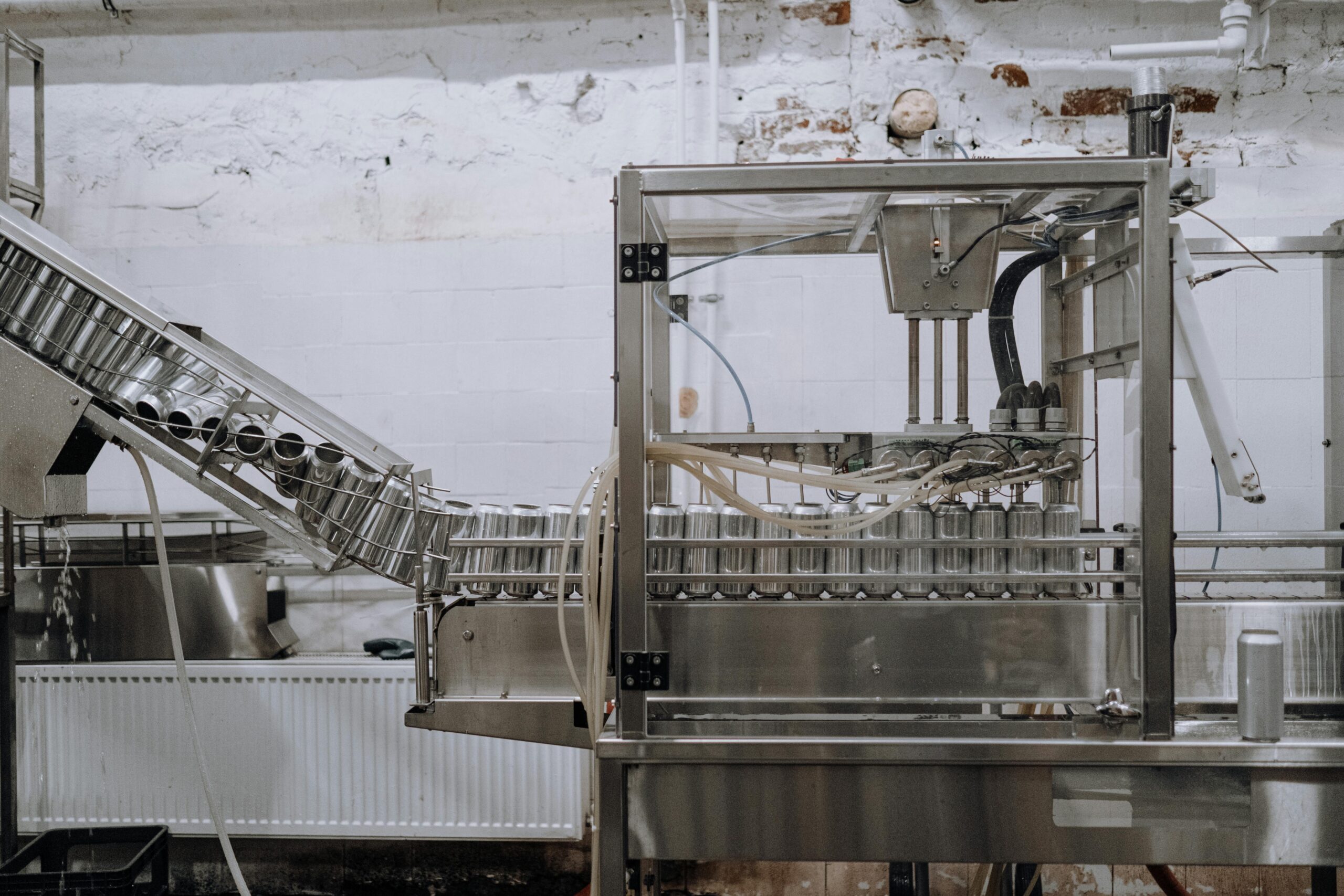
- Automated cleaning systems: Robotic scrubbers and automated wash stations save labor and ensure uniform coverage.
- Foam sanitation: Delivers uniform coverage and prolonged contact times essential for biofilm removal.
- IoT-enabled sensors: Monitor cleanliness levels and disinfectant concentrations in real-time for proactive maintenance.
Training for Sustainable Food Plant Sanitation
Training is crucial for implementing effective sanitation protocols. Regular educational sessions reinforce:
- Proper cleaning techniques
- Correct use of disinfectants
- Personal hygiene and cross-contamination prevention
Utilizing the expertise of specialized industrial cleaning service providers can bolster ongoing training programs and ensure adherence to compliance standards.
Ensuring Compliance with Food Safety Regulations
Regular audits and inspections help verify sanitation efficacy. Maintain meticulous documentation including:
- Cleaning schedules
- Disinfectant logs
- Staff training records
Adopting proactive approaches, such as third-party sanitation inspections, can identify gaps before violations occur, reinforcing compliance efforts.
Conclusion: Developing a Robust Food Plant Sanitation Program
Effective food plant sanitation requires integrating industry best practices, advanced technologies, and staff training into a cohesive program. Consistent sanitation not only ensures food safety compliance but also protects your brand reputation and sustains operational efficiency.
Sanitation Service Providers
When in doubt or seeking expert assistance, consider partnering with reputable sanitation specialists. Notable service providers include:
Choosing the right sanitation partner can help ensure your operations meet industry standards, reduce contamination risks, and improve overall food safety performance.